
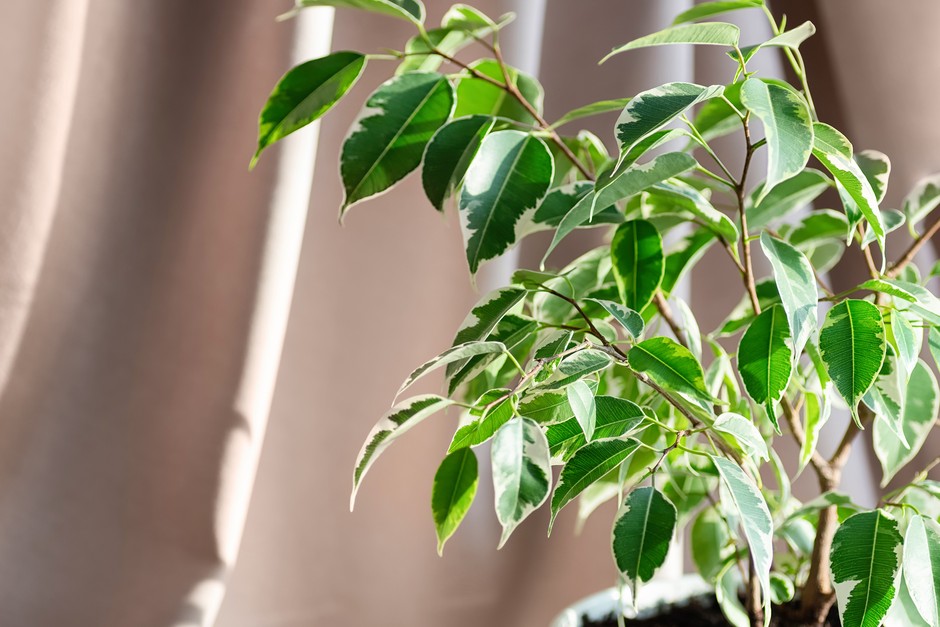
Weeping figs (Ficus benjamina) are popular houseplants that thrive in indoor environments. While they can be grown outdoors in full sun or partial shade, they’re often cultivated indoors where they receive filtered sunlight. Weeping figs can also be trained to grow as bonsai trees, making them a versatile and attractive choice for gardeners and interior designers.
Growing Your Ficus Benjamin: Essential Care Tips
When growing your weeping fig indoors, it’s crucial to maintain good air circulation. This helps prevent fungal diseases and promotes healthy growth. Here are some essential care tips:
- Soil Quality: Check the soil regularly and adjust as necessary with organic fertilizers. Use a well-draining potting mix specifically designed for indoor plants.
- Temperature: Keep the temperature between 65°F (18°C) and 75°F (24°C). Avoid placing your weeping fig near heating vents, radiators, or drafty windows.
- Exposure: Provide filtered sunlight, avoiding direct sunlight that can cause leaf scorch. East- or west-facing windows are ideal for indoor weeping figs.
- Watering: Avoid overwatering, ensuring that the soil isn’t consistently wet. Water your weeping fig when the top inch of soil feels dry to the touch.
- Air Circulation: Ensure good air circulation to prevent fungal diseases. Keep a distance of at least 6-8 inches between plants and use fans or air purifiers if necessary.
Common Diseases of Ficus Benjamin
Ficus benjamina is susceptible to various diseases, including:
- Leaf Drop: Caused by poor air circulation or high temperatures. Check the temperature of your home and ensure good air circulation.
- Fungal Infections: Resulting from poor air circulation or excessive moisture. Reduce watering, increase air circulation, and apply a fungicide specifically designed for indoor plants.
- Pests: Including mealybugs and scale insects. Use insecticidal soap or neem oil to control infestations.
To treat common diseases of weeping figs, consider the following remedies:
- Leaf Drop: Improve air circulation and maintain a consistent temperature between 65°F (18°C) and 75°F (24°C). Prune any affected leaves or stems.
- Fungal Infections: Reduce watering, increase air circulation, and apply a fungicide specifically designed for indoor plants. Avoid overwatering and ensure good air circulation.
- Pests: Use insecticidal soap or neem oil to control infestations. Check the plant thoroughly before treating.
Re-Potting Your Ficus Benjamin
When re-potting your weeping fig, consider the following tips:
- Choose a Pot with Good Drainage: Prevent waterlogged soil by using a pot with good drainage holes.
- Use a Well-Draining Potting Mix: Specifically designed for indoor plants, these mixes help prevent root rot and other problems.
- Handle the Roots Carefully: Gently remove the plant from its pot and trim any dead or damaged roots.
Multiplying Your Ficus Benjamin
To propagate a new weeping fig tree, consider the following steps:
- Cuttings: Take cuttings from healthy branches using sharp, clean pruning tools.
- Rooting Cuttings in Water: Place the cutting in a glass of water or a rooting hormone solution to encourage root growth.
- Transplanting Seedlings: Plant seedlings in well-draining potting mix once roots have developed.
FAQs
- How Often Should I Water My Weeping Fig?
Water your weeping fig when the top inch of soil feels dry to the touch. Adjust watering based on temperature, humidity, and light exposure. - What is the Best Way to Treat Fungal Infections in My Weeping Fig?
Reduce watering, increase air circulation, and apply a fungicide specifically designed for indoor plants. Avoid overwatering and ensure good air circulation. - How Often Should I Fertilize My Weeping Fig?
Fertilize your weeping fig every 2-3 months during the growing season (spring-fall) using an organic fertilizer.
Pest Control
Weeping figs are susceptible to various pests, including:
- Mealybugs: Small, white insects that can cause damage and reduce plant growth.
- Scale Insects: Armored insects that feed on plant sap, causing stunted growth and yellowing leaves.
- Aphids: Small, soft-bodied insects that feed on plant sap, causing curled or distorted leaves.
To control pests in your weeping fig:
- Inspect the Plant Regularly: Check the plant regularly for signs of pest infestation.
- Use Insecticidal Soap: Apply insecticidal soap to affected areas to kill pests without harming beneficial insects.
- Introduce Beneficial Insects: Encourage beneficial insects, such as ladybugs and lacewings, to feed on pests.
By following these care tips, advice, and pest control strategies, you can grow a healthy and thriving weeping fig tree indoors or outdoors.


