
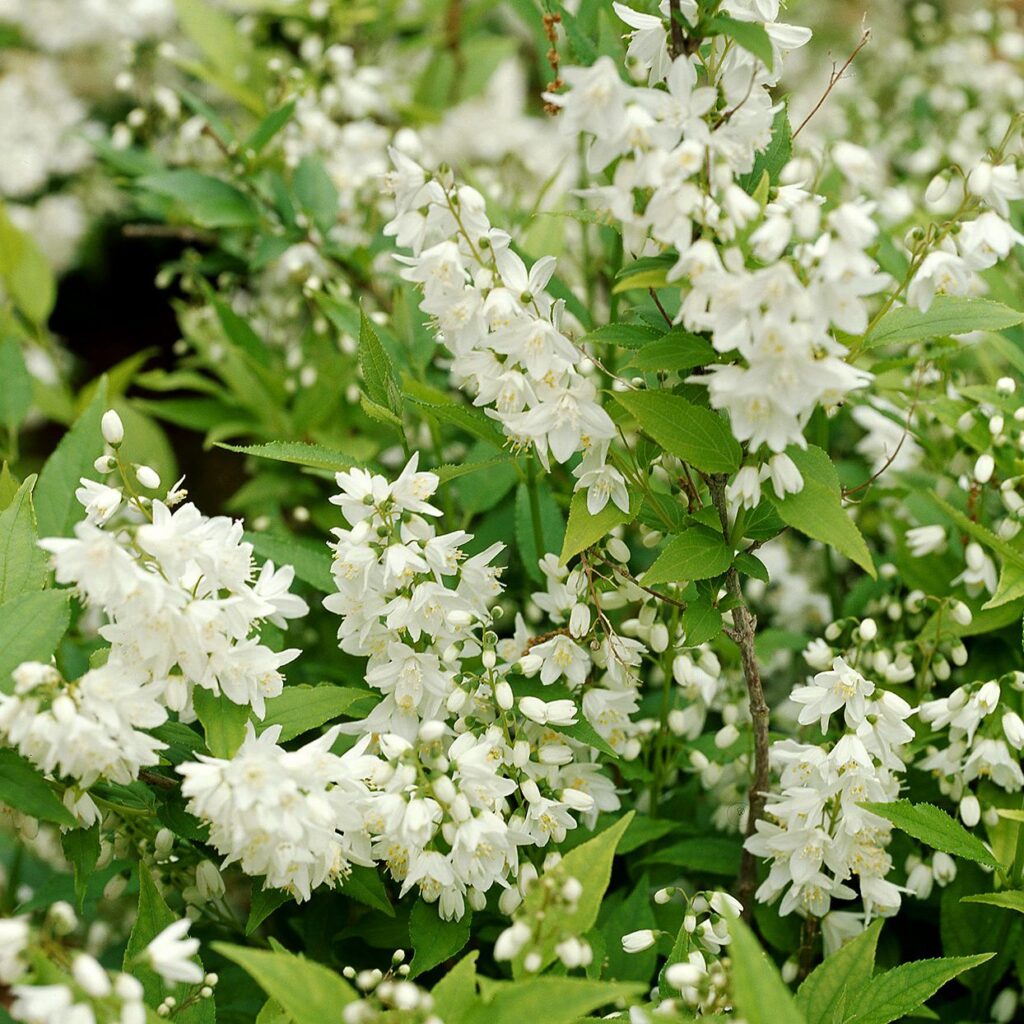
As a garden enthusiast, you’re likely familiar with the diverse species of Deutzia, a flowering shrub native to Asia, Europe, and America. With over 60 varieties to choose from, each with its unique characteristics, selecting the right one for your garden can be overwhelming. In this article, we’ll delve into the world of Deutzia, exploring its history, types, growth habits, and care requirements.
Deutzia: A Brief History
Deutzia is a genus within the Hydrangeaceae family, comprising approximately 60 species. These shrubs have been prized for their beauty and versatility in traditional Asian and European gardens. Some varieties, such as Deutzia Scabra, are extremely hardy and can thrive in cold climates, while others, like Deutzia Crenata, produce abundant flowers that attract pollinators.
Types of Deutzia
Each type of Deutzia boasts distinct features, making it essential to choose the right one for your garden. Here’s a brief overview of four popular varieties:
- Deutzia Scabra: Known for its ruggedness and ability to tolerate cold temperatures, this variety is ideal for gardens in the Northern Hemisphere.
- Deutzia Crenata: Characterized by its delicate white flowers, this type is perfect for adding a touch of elegance to your garden.
- Deutzia Gracilis: With its slender branches and fragrant flowers, this variety is a popular choice among gardeners.
- Deutzia Rosea: Although not a natural species, Deutzia rosea is an attractive hybrid, prized for its showy pink flowers.
Growing Deutzia: Tips and Tricks
To successfully cultivate Deutzia, follow these expert tips:
Choosing the Right Location
When selecting a location for your Deutzia, ensure it receives sufficient sunlight. Most varieties prefer well-draining soil and protection from strong winds to prevent damage to their delicate flowers.
Planting Deutzia
Plant Deutzia in early spring, when the plant is about to start growing. Create a hole that’s twice as wide and just as deep as the root ball of your new addition. Add organic matter like compost or manure to enrich the soil.
Watering and Fertilization
Deutzia requires moderate watering but should never be left dry for extended periods. To promote healthy growth, add an organic fertilizer in the spring.
Common Questions about Deutzia
Here are some frequently asked questions about Deutzia:
- What is the best time to plant a Deutzia?
- Spring (April) is the ideal time to plant Deutzia as it allows the plant to establish itself before the hot summer months.
- How often should I water my Deutzia?
- Water your Deutzia moderately, ensuring the soil never dries out completely between watering sessions.
- Can I grow Deutzia in containers?
- Yes, Deutzia can thrive in containers as long as they’re large enough to accommodate the plant’s root system.
- How often should I fertilize my Deutzia?
- Fertilize your Deutzia once a year, adding an organic fertilizer to promote healthy growth.
Pruning and Maintenance
To keep your Deutzia looking its best, regular pruning is essential:
- Prune your Deutzia in late winter or early spring to maintain shape and encourage new growth.
- Remove dead or damaged branches to prevent disease and pest infestations.
- Divide and replant your Deutzia every 10-15 years to maintain plant vigor.
Pests and Diseases
While Deutzia is generally a low-maintenance shrub, it’s susceptible to certain pests and diseases. Here are some common issues:
- Aphids: These small insects can weaken the plant by sucking its sap.
- Spider mites: These tiny arachnids can cause yellowing leaves and a silvery coating on stems.
- Root rot: This fungal disease can be caused by overwatering, poor drainage, or inadequate air circulation.
Repotting
As your Deutzia grows, it may need to be repotted to accommodate its increasing root system. Here are some guidelines for repotting:
- Choose a pot that is at least 1-2 sizes larger than the previous one.
- Use a well-draining potting mix specifically designed for shrubs.
- Water your Deutzia thoroughly after repotting and provide plenty of sunlight.
Propagating
Deutzia can be propagated through stem cuttings, division, or layering:
- Take 4-6 inch stem cuttings in the spring, removing lower leaves to prevent rot.
- Plant the cutting in a well-draining potting mix and water thoroughly.
- Divide your Deutzia every 10-15 years by carefully separating the roots and replanting.
By following these guidelines and understanding the unique characteristics of each Deutzia variety, you can create a stunning and low-maintenance garden that will bring joy for years to come.


