
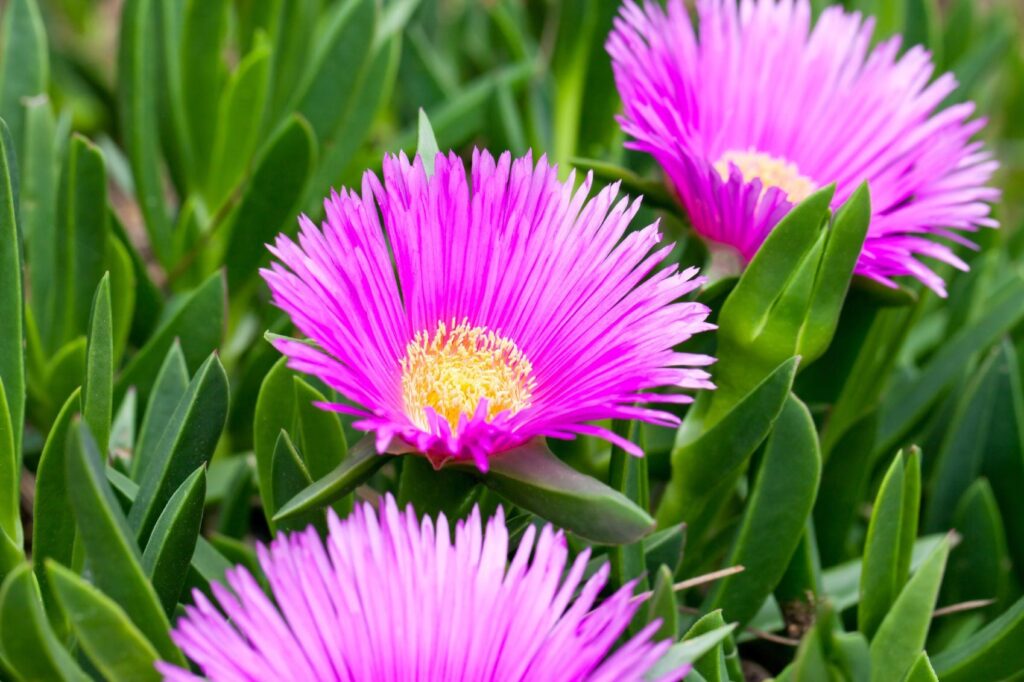
Delosperma: The Low-Maintenance, High-Reward Succulent
As a succulent enthusiast, you’re likely on the lookout for plants that can thrive in challenging conditions. One such plant is Delosperma, a member of the Aizoaceae family that’s native to Africa but has gained popularity worldwide for its unique characteristics and adaptability.
In this article, we’ll delve into the world of Delosperma, exploring its features, varieties, cultivation requirements, flowering habits, propagation methods, and potential issues. Whether you’re a seasoned succulent enthusiast or just starting out, this guide will help you understand what makes Delosperma such a great addition to any garden.
Delosperma: Characteristics
Delosperma is a succulent plant known for its striking appearance and ability to thrive in harsh conditions. Here are some key characteristics that set it apart:
- Unique blooming habit: Delosperma’s flowers close at night and reopen when the sun rises, making them a fascinating addition to any garden.
- Vibrant colors: The plant comes in a range of colors, including white, yellow, pink, red, and purple, ensuring that there’s something for every color enthusiast.
- Thick, fleshy leaves: Delosperma’s leaves are thick and succulent, providing the plant with the necessary water storage to survive in dry conditions.
Delosperma: Varieties
Delosperma comes in a variety of shapes, sizes, and colors. Some popular varieties include:
- Cooperi: This variety features large, showy flowers in shades of pink and white.
- Abeerden: With its delicate, rose-colored blooms, this variety is perfect for adding a touch of elegance to any garden.
- Echinatum: This succulent boasts striking white or yellow flowers and can grow up to 30 cm tall.
How to Cultivate Delosperma: Terreno, Esposizione e Concimazione
To ensure your Delosperma thrives, follow these tips:
- Well-draining soil: Delosperma prefers a well-draining mix of sand and gravel.
- Regular fertilization: Feed your plant with a balanced fertilizer during the growing season to promote healthy growth.
- Full sun exposure: Place your Delosperma in a location that receives full sun for at least 4-6 hours per day.
How to Cultivate Delosperma: Annaffiatura
As a succulent, Delosperma requires careful watering. Here are some tips to keep in mind:
- Check the soil moisture: Before watering, make sure the soil is dry to the touch.
- Water deeply: Water your plant thoroughly, making sure the soil drains well.
- Reduce watering during winter: During the winter months, reduce watering to once a month.
The Flooding in Winter of Delosperma
Delosperma is known for its ability to bloom throughout the winter months, providing a burst of color in an otherwise bare landscape. Here are some tips for encouraging this flowering habit:
- Provide full sun: Delosperma requires full sun to produce flowers.
- Water carefully: Avoid overwatering, as this can lead to root rot and other problems.
- Fertilize regularly: Feed your plant with a balanced fertilizer during the growing season.
Moltiplicazione della Delosperma
Delosperma can be propagated using several methods. Here are some tips for getting started:
- Using seeds: Start by sowing seeds in a well-draining mix.
- Taking cuttings: Take 10-15 cm long stems and remove lower leaves before rooting them in a pot filled with moistened peat moss.
Malattie e Parassiti del Delosperma
While Delosperma is relatively low-maintenance, it’s not immune to pests and diseases. Here are some common issues to watch out for:
- Root rot: Overwatering can lead to root rot.
- Pests: Keep an eye out for pests like mealybugs and spider mites.
Common Pests that Affect Delosperma
Delosperma is susceptible to a range of pests, including:
- Mealybugs: These small insects feed on plant sap, causing damage and discoloration.
- Spider mites: These tiny arachnids feed on plant sap, causing yellowing leaves and fine webbing.
Common Diseases that Affect Delosperma
Delosperma can be affected by a range of diseases, including:
- Root rot: Overwatering can lead to root rot, which can cause the roots to decay.
- Leaf spot: This fungal disease causes small, circular spots on the leaves.
Tips for Preventing Pests and Diseases
To keep your Delosperma healthy, follow these tips:
- Inspect your plant regularly: Check your plant for signs of pests or diseases.
- Use organic pest control methods: Avoid using chemical pesticides, which can harm beneficial insects.
- Improve air circulation: Make sure your plant has good air circulation to prevent fungal diseases.
Conclusion
Delosperma is a low-maintenance, high-reward succulent that’s perfect for gardeners of all levels. With its unique blooming habit, vibrant colors, and thick, fleshy leaves, Delosperma is sure to add a touch of elegance to any garden. By following these tips and guidelines, you’ll be able to grow a thriving Delosperma plant and enjoy the many benefits it has to offer.
Frequently Asked Questions
Q: What type of soil does Delosperma prefer?
A: Delosperma prefers well-draining soil with a mix of sand and gravel.
Q: How often should I water my Delosperma?
A: Water your Delosperma sparingly, making sure the soil is dry to the touch before watering again.
Q: Can I grow Delosperma in a container?
A: Yes, Delosperma can be grown in a container as long as it receives full sun and well-draining soil.
Q: How do I propagate my Delosperma plant?
A: You can propagate your Delosperma using seeds, cuttings, or division.
Q: What are some common pests that affect Delosperma?
A: Common pests that affect Delosperma include mealybugs and spider mites.


