
Introduction
As a gardener, you might have come across the centennial squash (Sechium edule), also known as zucchini spinosa or chayote. This unusual vegetable has gained popularity in recent years due to its unique shape and flavor. However, cultivating it can be a bit challenging. In this article, we will delve into the world of centennial squash cultivation, exploring its history, characteristics, and growing requirements.
What is Centennial Squash?
Centennial squash belongs to the Cucurbitaceae family and is native to Central America. It’s also known as zucchini spinosa or chayote due to its distinctive appearance. This squash has a pear-shaped fruit with prominent ridges and a warty exterior, weighing around 200 grams on average.
Characteristics of Centennial Squash
Centennial squash is an intriguing vegetable that comes in various shades of green, including yellow-avory varieties. It’s a warm-season crop that thrives in temperatures between 18°C and 24°C (64°F to 75°F). This makes it an ideal choice for regions with mild winters.
Choosing the Right Soil
Centennial squash is adaptable to different soil types but prefers well-draining, fertile ground rich in organic matter. Avoid planting it in areas with standing water or where water tends to collect. If you live in a region with poor soil quality, consider amending the soil before planting.
When to Plant Centennial Squash
In Northern Europe, plant centennial squash around late April to early May when there’s no risk of frost. In Southern Italy and Central-Southern regions, plant it as early as mid-March. For optimal growth, choose a location with partial shade and full sun.
Preparing the Soil for Planting
- If you have leftover squash from last season, you can interrow them lightly. Alternatively, purchase fresh centennial squash at local markets or nurseries.
- Give each plant plenty of space to grow – around 2 meters between rows and 2-3 meters within the same row.
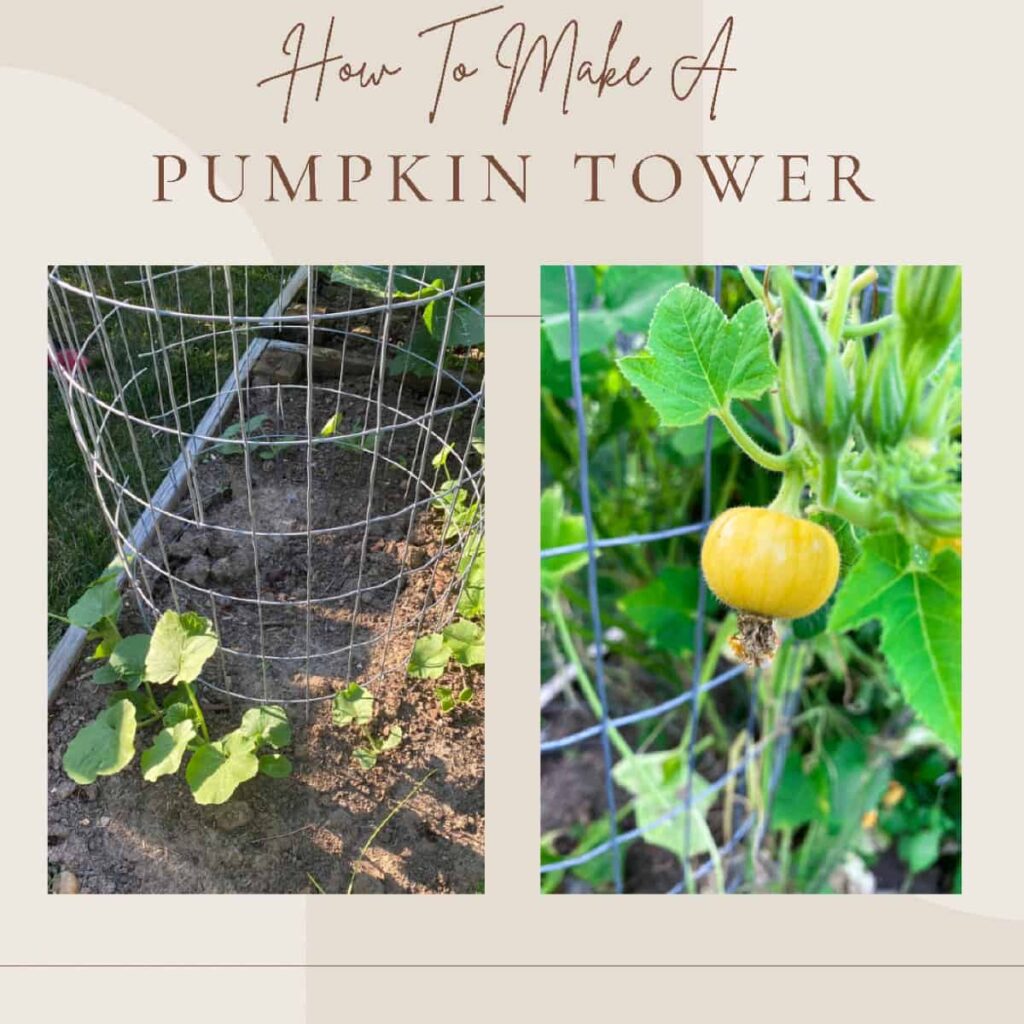
- To accommodate its extensive growth habit, provide a trellis system with sturdy support structures (at least 2 meters high).
- Consider planting near existing dividing walls or stakes for added stability.
Supporting the Plant’s Growth
Centennial squash is a vigorous grower that requires support to prevent damage from its sprawling vines. Use a durable trellis system (plastic or metal) and train the vines to climb upwards. Ensure it’s at least 2 meters high to allow for optimal growth.
Maturity and Harvesting
- Centennial squash matures between August and October in Italy, with some varieties ripening as late as November.
- To harvest, carefully snip off the fruit from the vine using sharp pruning scissors or gloves.
- If you’re lucky enough to find a centennial squash on the ground, consider giving it a second chance – these can still be edible.
Growing Centennial Squash in Small Spaces or Containers
If you have limited space or want to grow centennial squash indoors, consider using containers. With proper care, a single plant can produce up to 100 fruits.
Storing and Using Centennial Squash
- To preserve centennial squash for several months, store it at a temperature around 10°C (50°F).
- Use this versatile vegetable in place of other zucchini varieties – no special preparation is required!
Companion Planting
Centennial squash can benefit from being planted alongside complementary vegetables and flowers. Some popular options include:
- Basil: A classic combination that enhances flavor and repels pests.
- Marigold: These bright flowers attract beneficial insects and deter nematodes.
- Radish: A fast-growing crop that helps to suppress weeds.
Pest Management
Common pests affecting centennial squash include:
- Squash bugs: These flat, oval-shaped insects feed on the plant’s sap, causing damage to fruit and leaves.
- Aphids: Small, soft-bodied insects that can spread disease and weaken plants.
- Cucumber beetles: A major pest that can cause significant damage to centennial squash.
To manage these pests, use integrated pest management techniques such as crop rotation, physical barriers, and organic pesticides.
Common Diseases
Centennial squash is susceptible to various diseases, including:
- Powdery mildew: A fungal disease characterized by a white, powdery coating on leaves.
- Downy mildew: A fungal infection that causes yellowing or browning of fruit.
- Squash vine borer: A pest that can cause significant damage to the plant’s stem and vines.
To manage these diseases, use organic fungicides, maintain good hygiene practices, and ensure proper air circulation around plants.
Conclusion
Growing centennial squash may require some effort, but the rewards are well worth it. By understanding its history, characteristics, and growing requirements, you can cultivate this fascinating vegetable with ease.
Frequently Asked Questions
-
Q: Can I grow centennial squash in a cold climate?
A: Centennial squash thrives in warm temperatures (18°C to 24°C or 64°F to 75°F). If your area experiences harsh winters, consider growing it in containers or using greenhouses. -
Q: How long does it take for centennial squash to mature?
A: In Italy, the harvest period ranges from August to October, depending on specific weather conditions and varieties. -
Q: Is it possible to propagate centennial squash using seeds?
A: Yes! You can obtain fresh seeds or purchase them online, then plant them according to standard seed-planting instructions. -
Q: Can I use centennial squash in salads or as a side dish?
A: Absolutely! This versatile vegetable is suitable for various cooking methods and recipes – no need to prepare it specifically. -
Q: How do I clean centennial squash before using it in the kitchen?
A: Gently wash the squash with water, and pat it dry with paper towels to prevent excess moisture. -
Q: Can I grow multiple varieties of centennial squash together?
A: Some growers report having good results when planting different varieties side-by-side. However, ensure each plant receives sufficient space for proper growth. -
Q: Is there a difference between ‘classic’ and non-‘classic’ (disease-resistant) varieties of centennial squash?
A: Yes! Non-disease resistant (or ‘classic’) varieties are more susceptible to pests and fungal diseases. Disease-resistant varieties offer enhanced protection against these issues. -
Q: How do I treat common pests affecting my centennial squash crop?
A: Regular monitoring, good hygiene practices, and integrated pest management techniques can help minimize damage from insects and other unwanted visitors. -
Q: Can centennial squash be grown in a hydroponic system?
A: Yes! This versatile vegetable can thrive in controlled environments like greenhouses or indoor hydroponics systems – perfect for small-space growers! -
Q: How do I store preserved centennial squash to maintain its quality throughout the year?
A: Store preserved centennial squash at a temperature around 10°C (50°F) to maintain freshness and flavor.
By following these guidelines, you’ll be well on your way to successfully growing this unique vegetable. Enjoy exploring the world of centennial squash cultivation!


