
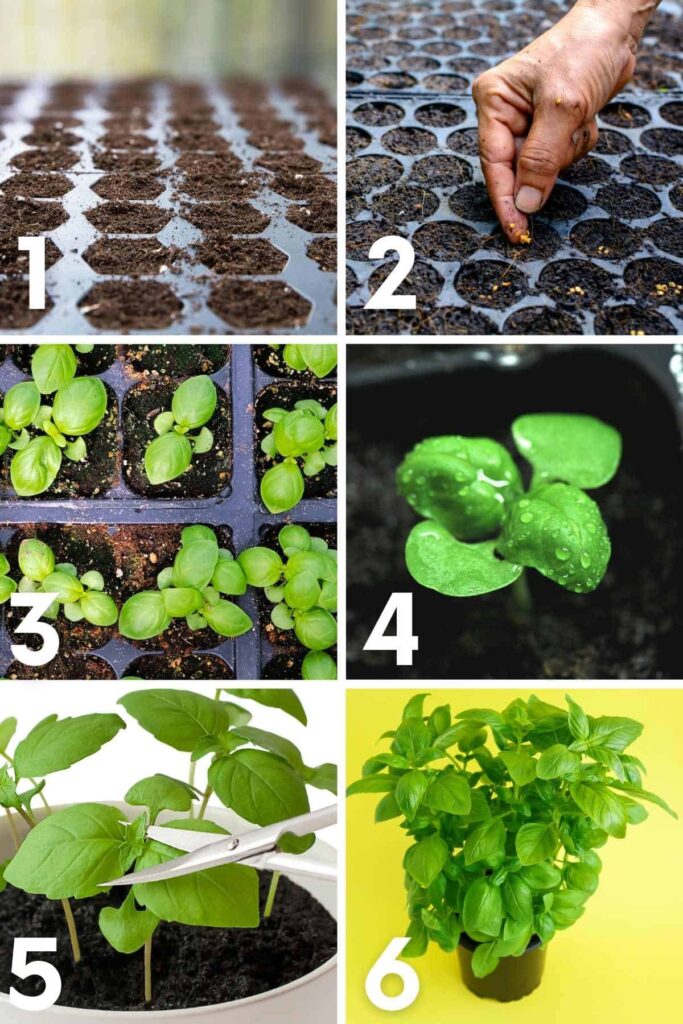
As a popular ingredient in many Italian dishes, basil is a staple herb that can add flavor and aroma to various recipes. With its easy-to-grow nature and versatility, it’s no wonder why many gardeners and cooks love growing their own basil. In this article, we’ll explore the basics of growing basil, from planting seeds to pruning your favorite herb.
Understanding Basil Cultivation
Before diving into the specifics of growing basil, let’s consider the different ways you can cultivate it. You can either plant it in a pot or directly in an outdoor garden bed. Each method has its own set of requirements and benefits.
Growing Basil in Pots
If you’re new to gardening, starting with basil in pots is an excellent way to begin. Here’s what you need:
- A container (at least 6-8 inches deep)
- Potting soil
- Small potting mix
- Sow basil seeds about 1/4 inch deep and 2-3 inches apart
- Cover with a thin layer of soil
- Water gently
Basil is easy to care for, but keep in mind that it needs full sun and well-draining soil.
Growing Basil in Outdoor Gardens
If you prefer to grow basil directly in the ground, follow these steps:
- Choose a location with plenty of sunlight (at least 4-6 hours of direct sunlight)
- Plant seeds about 1/8 inch deep and 12-18 inches apart
- Water regularly, but avoid overwatering
Growing basil outdoors offers the advantage of not needing to transplant it, which can be beneficial for large quantities.
Pruning Basil: The Key to Prolonged Harvests
Basil is an annual herb that requires regular pruning to promote new growth and prevent flowering. This process is called cimatura in Italian, but you may know it as pinching or trimming.
To prune your basil:
- Check for flower buds (usually at the tips of branches)
- Pinch or trim off these buds with scissors
- Repeat this process every 1-2 weeks to encourage new growth
Pruning will help increase yields and keep your basil looking healthy and bushy.
Common Mistakes to Avoid
Here are a few common mistakes that can harm your basil:
- Overwatering (can cause roots to rot)
- Underwatering (can lead to wilted leaves)
- Failing to provide adequate sunlight
- Not pruning regularly
By avoiding these common pitfalls, you’ll be well on your way to growing delicious and fragrant basil.
Tips for Growing Basil
Here are a few additional tips to help you grow the best basil possible:
- Use high-quality potting soil with good drainage
- Avoid using low-nitrogen fertilizers, as they can promote foliage growth over flowering
- Pinch or trim off flower buds regularly to encourage leaf growth
By following these guidelines and tips, you’ll be able to grow a bountiful harvest of fresh basil.
Frequently Asked Questions
Here are some answers to common questions about growing basil:
Q: How often should I water my basil?
A: Water your basil when the top 1-2 inches of soil feel dry. Avoid overwatering, as this can lead to root rot.
Q: Can I grow basil indoors?
A: Yes, but make sure it receives plenty of natural light. Basil requires at least 4 hours of direct sunlight per day to thrive.
Q: How do I propagate basil?
A: You can multiply your basil by pinching off small shoots (called “basil runners”) or dividing the plant into sections when it becomes too large for its container.
Q: Can I grow multiple varieties of basil together?
A: Yes, but be aware that different types may have varying requirements and growth habits. For example, sweet basil prefers full sun, while Thai basil does well in partial shade.
Q: How do I prevent pests from harming my basil?
A: Regularly inspect your plants for signs of pests like aphids, whiteflies, or spider mites. Use organic pest control methods whenever possible to avoid damaging the environment.
By answering these common questions and following our guidelines, you’ll be well on your way to growing delicious, fragrant basil that will elevate any dish.
Growing basil is a fun and rewarding experience for gardeners of all skill levels. With its many varieties and versatile uses in cooking, there’s never been a better time to try cultivating this popular herb.
Varieties of Basil
There are many different types of basil, each with its own unique characteristics and uses. Here are some popular varieties:
- Sweet Basil: This is the most commonly used variety of basil in cooking. It has large, dark green leaves and a sweet, slightly spicy flavor.
- Thai Basil: This variety has smaller, more delicate leaves than sweet basil and a stronger, more pungent flavor. It’s often used in Southeast Asian cuisine.
- Genovese Basil: This variety has medium-sized leaves and a milder flavor than sweet basil. It’s often used in Italian cooking.
- Lemon Basil: This variety has a distinctive lemony flavor and is often used in salads, sauces, and marinades.
By choosing the right variety of basil for your needs, you can enjoy its delicious flavor and fragrance all season long.
Using Basil in Cooking
Basil is a versatile herb that can be used in a wide range of dishes. Here are some popular ways to use basil:
- Salads: Add fresh basil leaves to salads for a burst of flavor and color.
- Sauces: Use basil to make homemade sauces, such as pesto or salsa verde.
- Marinades: Add basil to marinades for chicken, fish, or vegetables for added flavor.
- Roasted vegetables: Toss sliced or chopped vegetables with olive oil, salt, and basil for a delicious side dish.
By incorporating basil into your cooking routine, you can add fresh flavor and aroma to any dish.
Harvesting Basil
Basil is ready to harvest when the leaves are large enough to use in cooking. Here’s how to harvest your basil:
- Pinch off individual leaves or stems as needed.
- Cut back the plant to about 6 inches from the soil surface to encourage new growth.
- Use scissors to trim off flower buds and promote leaf growth.
By harvesting your basil regularly, you can enjoy its delicious flavor and fragrance all season long.
Growing basil is a fun and rewarding experience for gardeners of all skill levels. With its many varieties and versatile uses in cooking, there’s never been a better time to try cultivating this popular herb.


