
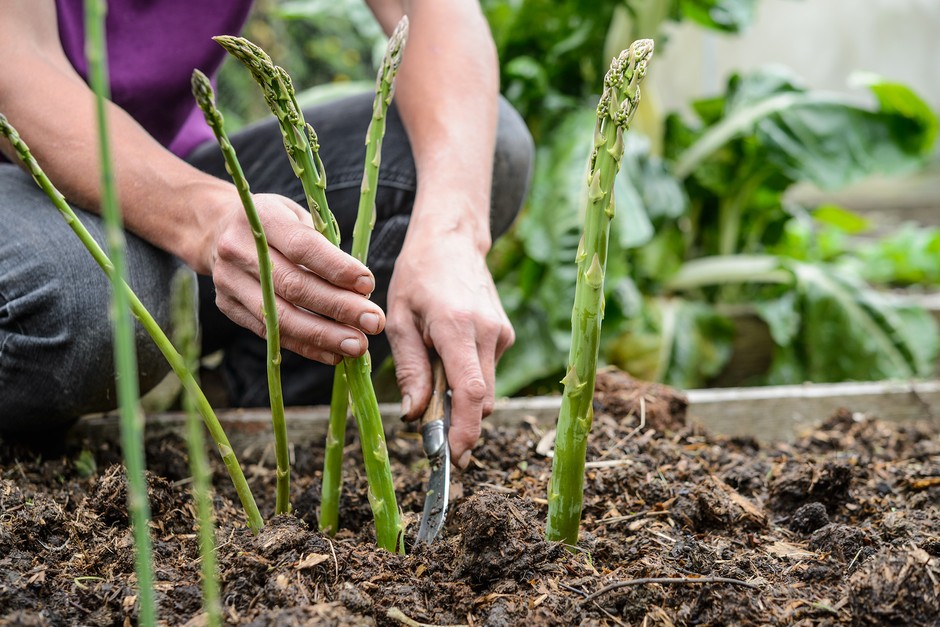
Growing Asparagus: A Comprehensive Guide
Asparagus is a popular spring vegetable that can be grown in a variety of conditions. Whether you prefer to grow it in a vase or in a full field, with the right techniques and knowledge, you can enjoy delicious and tender asparagus all year round.
In this article, we will explore the best practices for growing asparagus, from preparing the soil to harvesting the pods. We’ll also cover some common myths and misconceptions about asparagus cultivation, and provide tips for troubleshooting common issues.
Choosing the Right Conditions
Asparagus prefers a temperate climate with plenty of sunlight. It thrives in areas with well-draining soil and full sun to partial shade. If you’re growing asparagus in a vase, make sure it receives at least 6 hours of direct sunlight per day.
Asparagus is also sensitive to extreme temperatures, so avoid planting it in areas with frost or heatwaves. The ideal temperature for growing asparagus is between 40°F (4°C) and 75°F (24°C).
Preparing the Soil
Before planting asparagus, prepare the soil by mixing in compost or well-rotted manure. Asparagus roots are sensitive to extreme pH levels, so aim for a slightly acidic to neutral soil pH (around 6.0-7.0). If your soil is heavy clay or sandy, mix in some organic matter to improve drainage and structure.
Sowing Seeds or Planting Crowns
There are two main ways to grow asparagus: by sowing seeds or planting crowns. Sown seeds take longer to produce results (around 3-4 years), while planted crowns will start producing asparagus within a year. If you’re new to growing asparagus, planting crowns is the easier option.
Sowing Seeds
To sow asparagus seeds, create a seed bed with well-draining soil and sow the seeds about 1/8 inch deep and 1-2 inches apart. Cover the seeds with a thin layer of soil and water gently but thoroughly. Keep the soil consistently moist during the germination period (around 7-10 days).
Planting Crowns
To plant asparagus crowns, choose healthy crowns from a reputable supplier or nursery. Dig a trench about 12 inches deep and 6 inches wide. Place the crown in the trench, with the buds facing upwards, and space them about 12 inches apart. Cover the crown with soil and water well.
Caring for Asparagus
Asparagus requires regular watering, fertilization, and pest management to thrive. Here are some tips:
- Water asparagus regularly during its first year of growth, but avoid overwatering.
- Fertilize asparagus annually with a balanced fertilizer (e.g., 10-10-10 NPK).
- Keep an eye out for pests like aphids, slugs, and snails. Use organic pest control methods whenever possible.
Common Issues
Here are some common issues that can affect asparagus cultivation:
- Inadequate sunlight: Asparagus needs at least 6 hours of direct sunlight per day to produce well.
- Overwatering: Avoid overwatering, which can lead to root rot and other problems.
- Poor soil drainage: If your soil is heavy clay or sandy, mix in some organic matter to improve drainage.
Asparagus Varieties
There are many different varieties of asparagus available, each with its own unique characteristics. Here are a few popular ones:
- Mary Washington: A classic variety known for its tender and flavorful spears.
- Jersey Giant: A popular variety that produces large, tender spears.
Growing Asparagus in Pots
Asparagus can be grown in pots, but it requires more attention and care. Here are some tips:
- Choose a pot that is at least 12 inches deep and has good drainage holes.
- Use a well-draining potting mix and fertilize regularly.
- Prune the stems to encourage bushy growth and prevent flowering.
Growing Asparagus in Containers
Asparagus can be grown in containers, but it requires more attention and care. Here are some tips:
- Choose a container that is at least 12 inches deep and has good drainage holes.
- Use a well-draining potting mix and fertilize regularly.
- Prune the stems to encourage bushy growth and prevent flowering.
Growing Asparagus from Seeds
Asparagus can be grown from seeds, but it takes longer to produce results (around 3-4 years). Here are some tips:
- Sow asparagus seeds in a well-draining seed bed.
- Keep the soil consistently moist during the germination period (around 7-10 days).
- Thin out the seedlings to 12 inches apart after they have emerged.
Growing Asparagus from Crowns
Asparagus can be grown from crowns, which are available at nurseries and gardening stores. Here are some tips:
- Choose healthy asparagus crowns from a reputable supplier.
- Plant the crown in well-draining soil and water regularly.
- Fertilize annually with a balanced fertilizer (e.g., 10-10-10 NPK).
Common Myths and Misconceptions
Here are some common myths and misconceptions about asparagus cultivation:
- Myth: Asparagus is easy to grow. Reality: Asparagus requires regular care and attention, especially during the first year of growth.
- Myth: Asparagus can be grown in any type of soil. Reality: Asparagus prefers well-draining soil with a slightly acidic to neutral pH (around 6.0-7.0).
- Myth: Asparagus requires frequent pruning. Reality: Pruning is necessary to encourage bushy growth and prevent flowering, but it should be done sparingly.
Troubleshooting Common Issues
Here are some common issues that can affect asparagus cultivation and how to troubleshoot them:
- Problem: Inadequate sunlight.
- Solution: Provide more sunlight by moving the pot to a sunnier location or using grow lights.
- Problem: Overwatering.
- Solution: Check the soil moisture regularly and adjust watering accordingly. Avoid getting water on the leaves to prevent fungal diseases.
- Problem: Poor soil drainage.
- Solution: Mix in some organic matter to improve drainage, such as compost or well-rotted manure.
Conclusion
Growing asparagus is a rewarding experience that requires attention to detail and care. By following these tips and overcoming common issues, you can enjoy delicious and tender asparagus all year round. Remember to choose the right variety for your climate and soil type, and don’t be afraid to experiment with different growing techniques.
Frequently Asked Questions (FAQs)
Q: How long does it take for asparagus to grow?
A: Asparagus typically takes 3-4 years to produce results from sowing seeds or planting crowns.
Q: What is the best soil pH for asparagus?
A: Asparagus prefers a slightly acidic to neutral soil pH (around 6.0-7.0).
Q: How often should I water asparagus?
A: Water asparagus regularly during its first year of growth, but avoid overwatering.
Q: What is the best way to fertilize asparagus?
A: Fertilize asparagus annually with a balanced fertilizer (e.g., 10-10-10 NPK).
Q: How do I prune asparagus stems?
A: Prune the stems to encourage bushy growth and prevent flowering. Use scissors or pruning shears to cut off the tips of the stems.
Q: Can I grow asparagus in containers?
A: Yes, but it requires more attention and care. Choose a container that is at least 12 inches deep and has good drainage holes.
Gardening Tips
Here are some additional gardening tips for growing asparagus:
- Mulch around the plants: Mulching helps retain moisture in the soil and suppress weeds.
- Monitor for pests: Keep an eye out for pests like aphids, slugs, and snails. Use organic pest control methods whenever possible.
- Harvest regularly: Harvest asparagus spears regularly to encourage the plant to produce more.
By following these tips and guidelines, you can enjoy a bountiful harvest of delicious and tender asparagus all year round. Happy gardening!


