
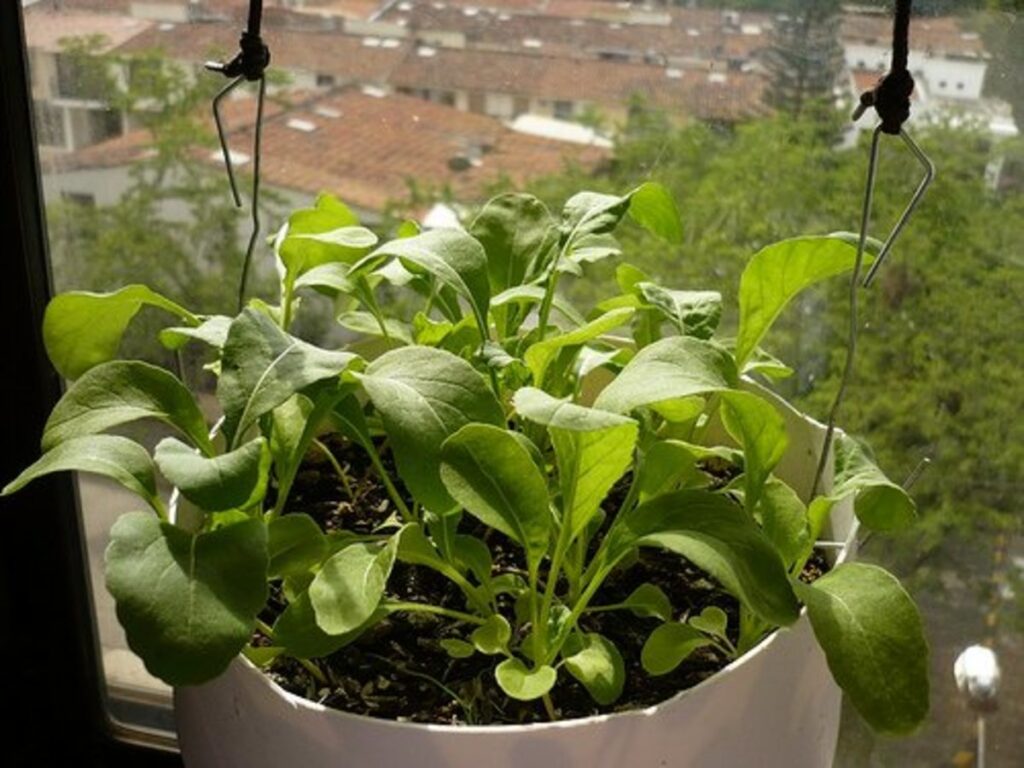
As a popular leafy green, rucola is prized for its detoxifying, diuretic, and digestive properties. Its intense, slightly spicy flavor makes it a favorite in many kitchens. But have you ever wondered how to cultivate this versatile vegetable on your balcony?
Understanding Rucola Varieties
There are two main types of rucola: the domesticated variety and the wild or selvatica type. While they share some similarities, they differ in leaf shape and flavor profile. The domesticated variety is typically grown as an annual crop, whereas the selvatica type is a perennial plant.
Growing Rucola on Your Balcony
Fortunately, cultivating rucola on your balcony requires minimal knowledge of advanced gardening techniques. In fact, you can even grow it in small spaces, making it an ideal choice for urban gardeners. Just keep in mind that you’ll need to protect the plants from harsh winds.
Key Considerations for Growing Rucola
Before we dive into the nitty-gritty of growing rucola on your balcony, let’s cover a few essential factors:
- Soil: Rucola can thrive in various soil types, but it prefers well-draining earth. If your soil is particularly dry, the leaves may develop a spicy flavor.
- Climate: Rucola is a relatively fast-growing crop that can be harvested within weeks. It’s also resistant to cold temperatures and can tolerate light frosts in some regions.
Step-by-Step Guide to Growing Rucola on Your Balcony
Now that we’ve covered the basics, let’s walk through the process of growing rucola on your balcony:
- Choose a Container: Select a pot or container with a diameter of around 20 cm (8 in). A rectangular container can also work, as long as it’s wide enough to accommodate the plant’s roots.
- Prepare the Soil: Fill the container with a mix of expanded clay pebbles and general-purpose soil. Alternatively, you can add some sand to improve drainage.
- Sow the Seeds: Spread the rucola seeds evenly over the soil surface, making sure not to cover them too deeply.
- Water and Maintain: Keep the soil consistently moist but avoid waterlogging. Make sure the container has good air circulation to prevent fungal growth.
Additional Tips for Growing Rucola on Your Balcony
Here are some more tips to keep in mind when growing rucola on your balcony:
- Sunlight: Rucola loves full sun, so choose a spot that receives direct sunlight for most of the day.
- Fertilization: Avoid using fertilizers altogether. If you’re growing rucola in soil, simply vangate the soil to a depth of about 30 cm (12 in) before planting.
- Pest Control: Regularly inspect your plants for signs of pests or diseases.
Common Pests and Diseases
To ensure healthy growth, be aware of common pests and diseases that can affect rucola:
- Aphids: These tiny insects feed on plant sap and can cause curled leaves.
- Slugs and Snails: These pests can chew holes in the leaves and cause damage to the plants.
- Root Rot: Overwatering can lead to root rot, which can be fatal to rucola.
Harvesting Rucola
Rucola is ready to harvest when the leaves are bright green and have reached their full size. Here are some tips for harvesting:
- Pinch Off Flowers: Regularly pinch off the flowers to encourage leaf growth.
- Harvest Leaves: Harvest individual leaves or stems, making sure not to damage the plant.
Tips for Enjoying Fresh Rucola
To fully appreciate the flavors of rucola, consider the following tips:
- Use as a Salad Green: Add fresh rucola leaves to salads for a burst of flavor and nutrition.
- Add to Sandwiches: Use rucola leaves as a topping for sandwiches or wraps for an added layer of flavor.
- Make a Rucola Salad: Combine rucola with other ingredients like cherry tomatoes, feta cheese, and balsamic vinaigrette for a delicious salad.
Conclusion
Growing rucola on your balcony can be a rewarding experience, especially when you’re mindful of its unique needs. By following these simple steps and tips, you’ll be enjoying fresh, delicious rucola in no time!
Frequently Asked Questions (FAQs)
-
Can I grow rucola indoors?
Yes, but make sure the space receives sufficient light.
2. How often should I water my rucola plants?Keep the soil consistently moist but avoid overwatering.
3. Can I eat rucola leaves that have gone to seed?While you can technically harvest the seeds, it’s recommended to wait until the foliage has reached its full maturity and flavor intensity.
4. Are there any specific growing conditions for rucola in certain climates?Rucola is relatively cold-hardy, but extreme temperatures may affect growth or quality.
5. Can I grow rucola with other vegetables?Some varieties of rucola can be grown alongside lettuce or spinach without issues, but make sure to check the specific growing requirements for each plant.
6. How long does it take for rucola to mature?The time frame varies depending on climate and growing conditions; generally, you’ll see results within 2-4 weeks of sowing seeds.
7. Can I propagate rucola by dividing the roots?Rucola plants can be divided once they’ve reached their full height or when new growth becomes evident in the center of the plant.
By understanding these key factors and following our step-by-step guide, you’ll be well on your way to growing delicious rucola on your balcony.


