
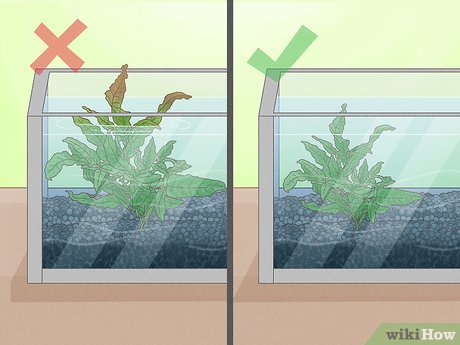
As a beginner, you might think that growing water plants requires a large pond or aquarium. However, this couldn’t be further from the truth. With the right materials and a little knowledge, you can successfully grow water plants in a variety of containers, from vases to ponds.
The Benefits of Growing Water Plants
Water plants are incredibly versatile and adaptable, making them perfect for any climate or environment. They require minimal maintenance and can thrive in a range of conditions, from full sun to partial shade. Not only do they add beauty and tranquility to your space, but they also help purify the water and create a natural oasis.
Choosing the Right Container
When selecting a container for your water plants, it’s essential to choose one that is impermeable and non-oxidizing. Avoid using containers made of metal or terracotta, as these can react with the water and cause damage. Instead, opt for glass, plastic, or ceramic containers.
Some popular options include:
- Vases: Glass vases are a great option for small spaces and add a touch of elegance to any room.
- Planters: Plastic planters come in a variety of sizes and shapes, making them perfect for adding some greenery to your home.
- Ponds: If you’re looking for a more dramatic effect, consider creating a pond using a large container or a natural rock formation.
Preparing the Substrate
The substrate, or soil, is a critical component in growing water plants. A high-quality substrate should be specifically designed for aquatic plants and contain a mix of peat moss, perlite, and fertilizer. You can also add additional ingredients like sand and gravel to create a well-draining substrate.
When selecting a substrate, consider the following factors:
- pH level: Ensure that the substrate has a pH level suitable for your water plants.
- Drainage: Choose a substrate with good drainage properties to prevent waterlogged soil.
- Nutrient content: Select a substrate with a balanced nutrient profile to support healthy plant growth.
Coltivating Water Plants in Vases
Growing water plants in vases is a great way to start your journey. To ensure success, follow these steps:
- Fill the vase with a 1:3 ratio of substrate to water.
- Plant the seeds or seedlings, making sure they are fully submerged.
- Add fertilizer and water gradually over the course of several days.
- Monitor the plant’s progress and adjust as needed.
Some popular water plants for vases include:
- Water Wisteria: A beautiful and easy-to-grow plant that thrives in a variety of lighting conditions.
- Anacharis: A fast-growing plant that can help control algae growth and provide oxygen to your water.
- Hornwort: A low-maintenance plant that adds a touch of elegance to any room.
Coltivating Water Plants in Ponds
Growing water plants in ponds requires a slightly different approach. Here are some key considerations:
- Choose a container with a minimum depth of 30 cm (12 inches).
- Use a substrate with a drainage layer, such as gravel or sand.
- Acclimate the plant to the new environment gradually.
- Monitor the water level and adjust accordingly.
Some popular water plants for ponds include:
- Water Lily: A beautiful and iconic plant that adds a touch of elegance to any pond.
- Cattail: A versatile plant that can help control algae growth and provide shelter for small animals.
- Horsetail: A low-maintenance plant that thrives in full sun and provides a natural barrier against predators.
Tips for Successful Water Plant Cultivation
Here are some additional tips for cultivating water plants:
- Keep the container away from direct sunlight during the hottest part of the day.
- Use a thermometer to monitor the temperature and maintain optimal conditions.
- Avoid overwatering, as this can lead to root rot and other issues.
- Prune or trim the plant regularly to promote healthy growth.
Conclusion
Growing water plants is a rewarding and fascinating hobby that can bring beauty, tranquility, and even health benefits to your space. With the right materials, knowledge, and care, you can successfully cultivate these incredible plants in a variety of containers.
Frequently Asked Questions (FAQs)
- What is the best substrate for aquatic plants?
- How often should I water my aquatic plants?
- Can I grow aquatic plants in direct sunlight?
- What is the ideal temperature range for aquatic plants?
- Can I propagate aquatic plants using division or cuttings?
By following these tips and guidelines, you’ll be well on your way to becoming an expert in growing water plants. Happy planting!


