
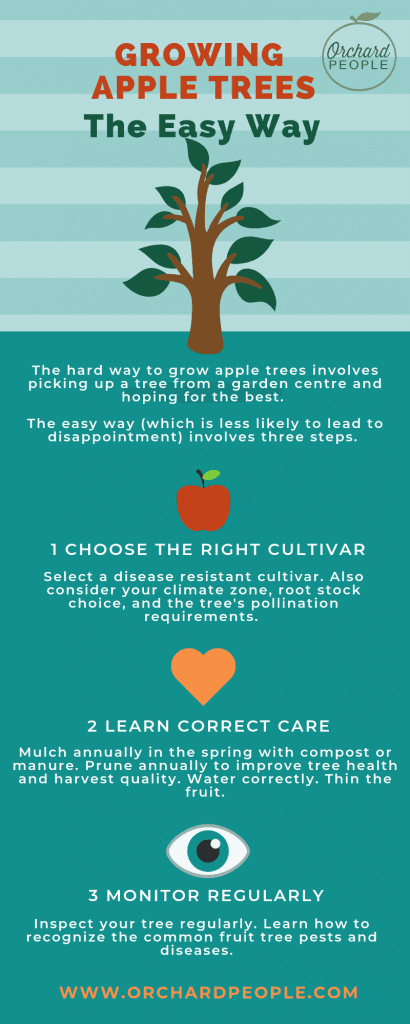
Are you a small-scale farmer looking to cultivate an apple tree in a contained space? Look no further! With the right variety, growing conditions, and care, you can enjoy a bountiful harvest of delicious apples from your very own tree. In this article, we’ll delve into the world of apple cultivation, covering everything from choosing the right tree to pruning, fertilizing, and irrigating.
Choosing the Right Variety
When it comes to selecting an apple tree variety, there are many options available. For small-scale farmers, the M9 is a popular choice due to its rapid fruiting period and high productivity. However, this variety may not be suitable for colder climates, as it’s sensitive to low temperatures.
Other popular varieties of apple trees include:
- Red Delicious: A classic variety known for its sweet flavor and crisp texture.
- Gala: A cross between the Golden Delicious and Kidd’s Orange Red, Gala apples are sweet and flavorful with a hint of vanilla.
- Granny Smith: Known for their green skin and tart flavor, Granny Smith apples are great for baking and cooking.
When choosing an apple tree variety, consider factors such as climate, disease resistance, and pest tolerance. Some trees may also be better suited to specific uses, such as eating fresh or making cider.
When to Plant Your Apple Tree
The best time to plant an apple tree is in the fall, when the weather is cooler and there’s ample moisture in the soil. This allows the tree to establish a strong root system before winter. However, you can also plant in the spring, as long as the soil is workable.
Soil Preparation: Fertilization
Before planting your apple tree, it’s essential to prepare the soil by adding organic matter such as compost or well-rotted manure. This will help improve the soil structure and provide nutrients for the tree. When fertilizing your apple tree, aim for a balanced diet of nitrogen, phosphorus, and potassium.
A general rule of thumb is to apply a fertilizer with a ratio of 10-10-10 (nitrogen-phosphorus-potassium) in the early growing season, followed by a fertilizer with a higher phosphorus content in the late growing season. This will promote root growth and fruiting.
Pruning: The Key to Optimal Production
Pruning is an essential part of apple cultivation, as it helps control the shape and size of the tree. The most common pruning method is the “fusetto” system, where the tree takes on a conical shape with a single central leader. This allows for optimal sunlight penetration and encourages healthy branching.
As your apple tree grows, you’ll need to prune regularly to maintain its shape and promote fruiting. Remove any dead or diseased branches, as well as any weak or crossing branches that may interfere with fruit production. Prune in the late winter or early spring, before new growth begins.
Pruning Techniques
There are several pruning techniques to choose from, depending on your specific needs:
- Thinning: Remove select branches to allow more sunlight to reach the fruit.
- Reducing: Cut back the overall size of the tree by removing selected branches.
- Renewal: Cut back the entire tree to about 10-15 feet tall to promote new growth.
Managing Fruit Production: The Art of Pruning
Apple trees are naturally prone to fluctuations in production, with some years producing more fruit than others. By pruning your tree regularly, you can regulate its productivity and ensure a consistent harvest.
In years when you expect a heavy crop, prune your tree more extensively to promote fruiting. In contrast, if you’re anticipating a light year, perform a more contained pruning to encourage flowering.
Irrigation: Meeting the Tree’s Needs
Apple trees require adequate water supply, especially during hot summer months. The amount of water needed will depend on factors such as climate, soil type, and tree variety. As a general rule, aim for about 1-2 inches of water per week, either from rainfall or irrigation.
Drought Tolerance
Some apple tree varieties are more drought-tolerant than others. Look for trees with deep roots and wide canopies to minimize stress during dry periods.
Soil pH
Apple trees prefer a slightly acidic soil pH, ranging from 6.0-7.0. If your soil is too alkaline or acidic, it may affect the tree’s ability to absorb essential nutrients.
Conclusion: Growing Your Own Apple Tree
Growing your own apple tree can be a rewarding experience, providing you with fresh, delicious fruit all season long. By choosing the right variety, planting at the right time, and pruning regularly, you’ll be well on your way to enjoying a bountiful harvest. So why not give it a try? With a little care and attention, you can grow your own apple tree and enjoy the fruits of your labor.
Frequently Asked Questions
Q: What is the best variety of apple tree for small-scale farming?
A: The M9 is a popular choice due to its rapid fruiting period and high productivity. However, it may not be suitable for colder climates.
Q: When should I plant my apple tree?
A: The best time to plant an apple tree is in the fall, when the weather is cooler and there’s ample moisture in the soil.
Q: How often should I fertilize my apple tree?
A: Aim for a balanced diet of nitrogen, phosphorus, and potassium during the growing season.
Q: Why is pruning so important for apple trees?
A: Pruning helps control the shape and size of the tree, promotes healthy branching, and regulates fruit production.
Q: How often should I prune my apple tree?
A: Prune regularly in the late winter or early spring to maintain its shape and promote fruiting.
Q: What is the best way to regulate fruit production in apple trees?
A: By pruning your tree regularly, you can control the amount of fruit produced each year.
Q: How do I determine if my apple tree needs irrigation?
A: Check the soil moisture by inserting a finger into the soil up to the knuckle. If it feels dry, it’s time to irrigate.
Q: Can I grow an apple tree in a container?
A: Yes, but make sure the container is at least 12-18 inches deep and has good drainage holes.
Q: How long does it take for an apple tree to produce fruit?
A: Apple trees typically take 2-5 years to start producing fruit after planting.


