
As one of the most popular plants in the world, aloe vera is prized for its numerous health benefits and ease of cultivation. In this comprehensive guide, we will walk you through the process of growing aloe vera from seed or cutting, from preparing the perfect environment to harvesting the succulent gel that can be used for various remedies.
A Brief Overview of Aloe Vera
Aloe vera is a member of the Aloaceae family and has been highly valued for its medicinal properties as well as its rustic charm. The plant boasts a rosette-like structure, with thick, fleshy leaves that store water and nutrients. Aloe vera is adaptable to sunny environments and can thrive in temperatures ranging from 18°C to 30°C (64°F-86°F). However, it’s essential to protect the plant from extreme cold and humidity.
Characteristics of Aloe Vera
Before diving into the nitty-gritty of growing aloe vera, let’s take a closer look at its unique characteristics:
- Height: approximately 60 cm (24 inches)
- Diameter: around 60 cm (24 inches)
- Leaf Length: up to 50-58 cm (20-23 inches)
- Leaf Color: greenish-gray
- Leaf Texture: smooth, waxy
- Flowers: bright yellow, appearing in late summer
Growing Aloe Vera Indoors
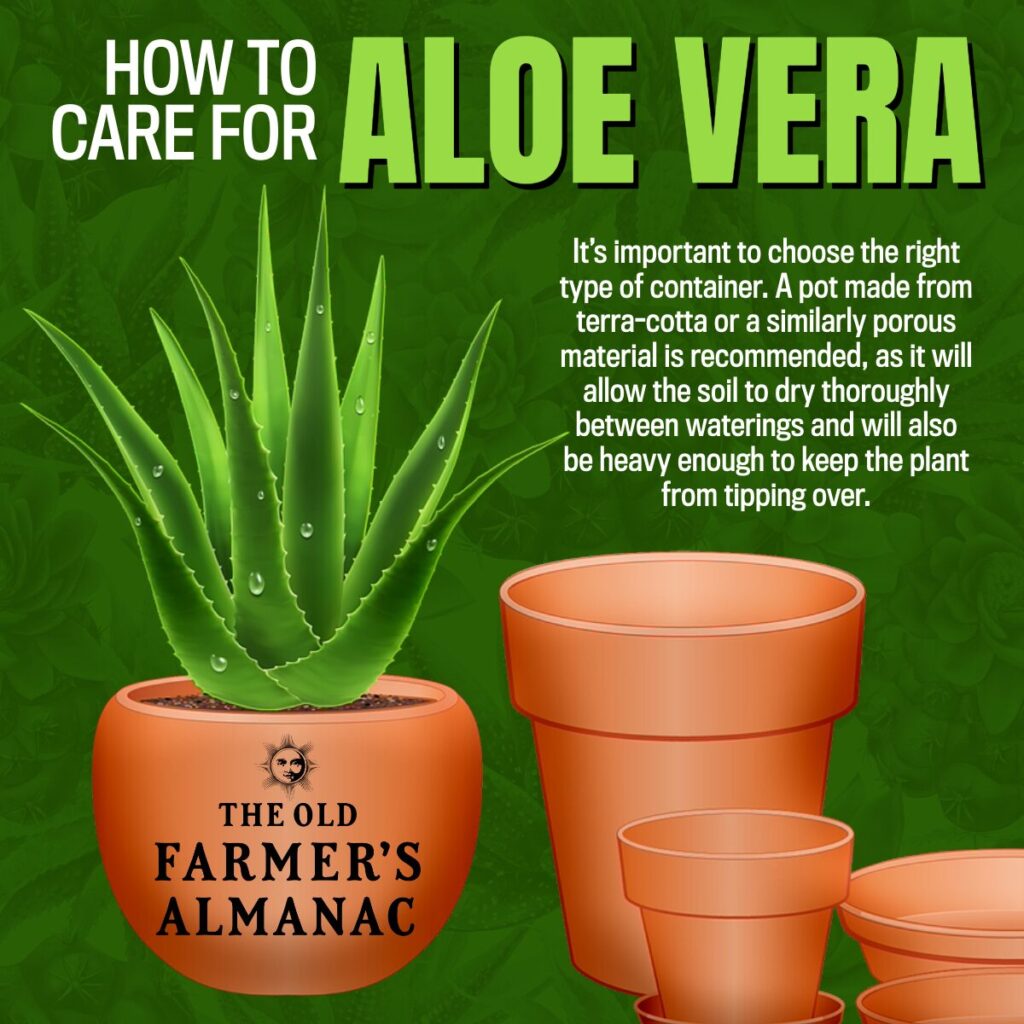
If you’re looking to grow aloe vera indoors, make sure to provide it with sufficient light and a well-draining potting mix. Here are some tips for creating the perfect environment:
- Choose a container that is at least 3-4 cm (1.2-1.6 inches) deeper than the plant’s root system.
- Use a high-quality, moisture-retentive potting mix to prevent waterlogging.
- Water sparingly, allowing the soil to dry slightly between waterings.
Growing Aloe Vera Outdoors
If you live in an area with mild winters and warm summers, consider growing aloe vera outdoors. Here are some tips for creating the perfect environment:
- Choose a spot that receives full sun to partial shade.
- Plant the aloe vera in well-draining soil, ideally with a mix of sand and perlite.
Propagation Techniques
Aloe vera can be propagated through various methods, including:
- Stem cuttings: take 3-4 inch (7-10 cm) stem cuttings from the mother plant, remove lower leaves, and plant them in well-draining soil.
- Leaf cuttings: carefully trim a healthy leaf from the mother plant, allowing it to dry for a few days before planting it in well-draining soil.
Pest and Disease Control
Keep an eye out for pests like mealybugs, spider mites, and scale. Regularly inspect your plants for signs of infestation or disease, such as yellowing leaves or white powdery patches on the surface.
Fertilization and Pruning
Aloe vera is a low-maintenance plant that doesn’t require frequent fertilization. However, you can feed it with a balanced fertilizer during the growing season (spring-fall).
- Prune dead or damaged leaves to maintain the plant’s appearance and promote healthy growth.
- Trim back tall stems to encourage bushy growth.
Harvesting Aloe Vera Gel
Once your aloe vera plant reaches maturity, you can harvest the gel for various uses. Here’s how:
- Cut off a mature leaf from the plant, using sharp scissors or pruning shears.
- Remove the clear gel from the inside of the leaf, avoiding the outer skin and white pith.
- Strain the gel through a cheesecloth or fine-mesh sieve to remove any remaining pulp or sediment.
Aloe Vera: A Natural Remedy
Aloe vera has been used for centuries in traditional medicine for its numerous health benefits. Some of the most notable uses include:
- Wound healing and skin care
- Digestive issues and irritable bowel syndrome (IBS)
- Anti-inflammatory properties
In addition to its medicinal properties, aloe vera can also be used as a natural remedy for various beauty treatments. Here are some ways you can use aloe vera gel for your skin:
- Face mask: mix aloe vera gel with honey and yogurt to create a soothing face mask.
- After-sun care: apply aloe vera gel to sunburned skin to reduce inflammation and promote healing.
- Skin moisturizer: use aloe vera gel as a natural moisturizer to hydrate and nourish your skin.
Frequently Asked Questions
Q: How often should I water my aloe vera?
A: Water your aloe vera sparingly, allowing the soil to dry slightly between waterings. Overwatering is a common mistake that can lead to root rot and other problems.
Q: Can I grow aloe vera in a pot indoors?
A: Yes, you can grow aloe vera in a pot indoors. Choose a container that is at least 3-4 cm (1.2-1.6 inches) deeper than the plant’s root system and use a high-quality, moisture-retentive potting mix.
Q: How do I propagate aloe vera?
A: You can propagate aloe vera through stem cuttings or leaf cuttings. Take 3-4 inch (7-10 cm) stem cuttings from the mother plant, remove lower leaves, and plant them in well-draining soil.
Q: What are some common pests that affect aloe vera plants?
A: Common pests that affect aloe vera plants include mealybugs, spider mites, and scale. Regularly inspect your plants for signs of infestation or disease.
Q: Can I use aloe vera gel as a hair mask?
A: Yes, you can use aloe vera gel as a hair mask to nourish and moisturize your hair. Simply apply the gel to your hair, leave it on for 30 minutes to an hour, and rinse with warm water.
Q: How do I store aloe vera gel in the refrigerator?
A: Store aloe vera gel in the refrigerator at a temperature of around 40°F (4°C) to extend its shelf life.



