
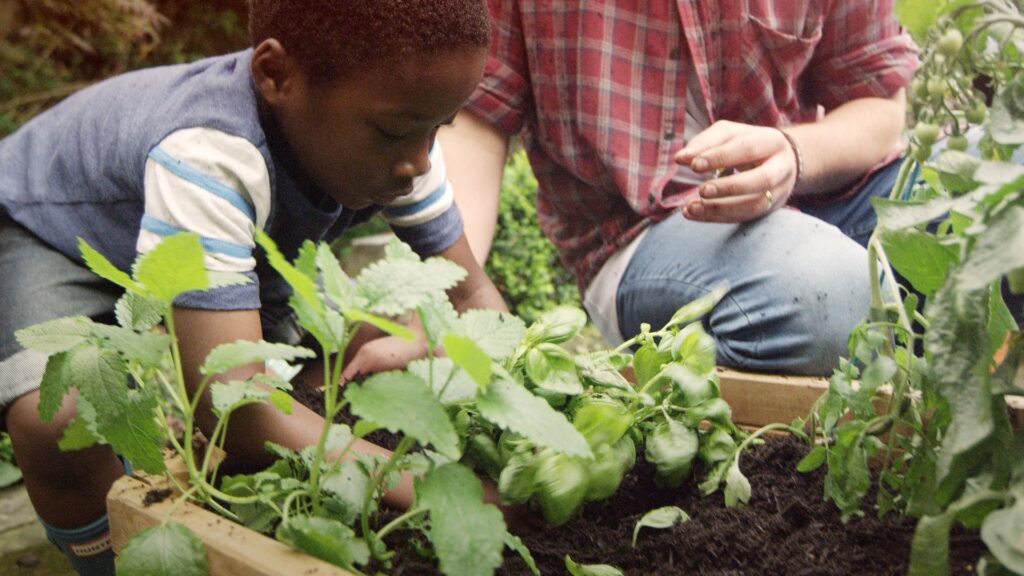
Growing a garden with children can be a wonderful way to introduce them to nature and teach them valuable skills. But it’s not just about planting seeds – it’s about creating an experience that fosters creativity, curiosity, and a sense of accomplishment. In this article, we’ll explore the importance of involving children in gardening activities, how to make it engaging for young minds, and provide tips on how to create a nurturing environment for kids to learn and grow.
The Importance of Engaging Children in Gardening
Research shows that children who engage in outdoor activities, like gardening, tend to have better cognitive development, improved physical health, and enhanced creativity. But why is it so important? For one, gardening allows children to connect with nature, develop a sense of responsibility, and understand the value of hard work. Moreover, gardening provides an opportunity for children to learn about science, math, and nutrition in a fun and interactive way.
Choosing the Right Activities for Children
When it comes to choosing activities for children, it’s essential to consider their age, interests, and abilities. Here are some ideas that can get you started:
- Sowing seeds: Allow children to plant seeds and watch them grow into beautiful flowers or delicious fruits and vegetables.
- Weeding and watering: Introduce children to the concept of caring for plants by letting them help with weeding and watering tasks.
- Observing nature: Take children on a walk around the garden, encouraging them to observe the different types of plants, insects, and animals that live there.
Creating an Engaging Experience
To create an engaging experience for children, consider the following tips:
- Make it fun: Play music, have picnics, or turn gardening into a game.
- Use kid-friendly tools: Provide children with child-sized gloves, watering cans, and other tools that make them feel like real gardeners.
- Encourage creativity: Allow children to express their creativity by planting flowers in unusual colors or shapes.
Teaching Children about the Garden
As a gardener, you have an opportunity to teach children about the importance of caring for plants and the natural world. Here are some tips on how to do it:
- Explain the life cycle: Teach children about the different stages of plant growth, from seedling to mature flower.
- Discuss the benefits: Explain how gardening helps the environment, provides fresh produce, and promotes physical activity.
- Encourage questions: Encourage children to ask questions and explore their curiosity about the garden.
Tips for Creating a Nurturing Environment
To create a nurturing environment for kids to learn and grow, consider the following tips:
- Provide proper attire: Dress children in comfortable clothing that can get dirty.
- Offer support: Be available to answer questions, provide guidance, and offer encouragement.
- Create a sense of ownership: Allow children to make decisions about what they want to plant or care for.
Gardening with Children: A Guide to Engaging Young Minds
Growing the garden with children is not just about planting seeds; it’s about creating an experience that fosters creativity, curiosity, and a sense of accomplishment. By following these tips, you can create a nurturing environment that allows children to learn and grow, while having fun in the process!
Benefits of Gardening for Children
Gardening with children offers numerous benefits, including:
- Improved cognitive development: Gardening has been shown to improve problem-solving skills and creativity.
- Enhanced physical health: Gardening promotes physical activity and can help reduce the risk of obesity.
- Boosted self-esteem: Caring for plants can give children a sense of pride and accomplishment.
Challenges of Gardening with Children
While gardening with children can be incredibly rewarding, there are also some challenges to consider:
- Safety concerns: Young children may not understand the dangers of gardening, such as sharp tools or heavy lifting.
- Attention span: Children’s attention spans can be short, making it difficult to keep them engaged in gardening activities.
- Responsibility: Encouraging children to take responsibility for their actions in the garden can be challenging.
Overcoming Challenges
To overcome these challenges, consider the following tips:
- Supervise closely: Always supervise young children when they’re involved in gardening activities.
- Use positive reinforcement: Praise children for their efforts and accomplishments to encourage them to continue participating.
- Make it fun: Incorporate games and activities into gardening to keep children engaged.
Growing the garden with children is a great way to create a lifelong love of nature and gardening. By following these tips, you can create a nurturing environment that allows children to learn and grow, while having fun in the process!
Conclusion
Growing the garden with children is not just about planting seeds; it’s about creating an experience that fosters creativity, curiosity, and a sense of accomplishment. Whether you’re a seasoned gardener or just starting out, incorporating gardening activities into your daily routine can have a profound impact on your child’s development and well-being.


