
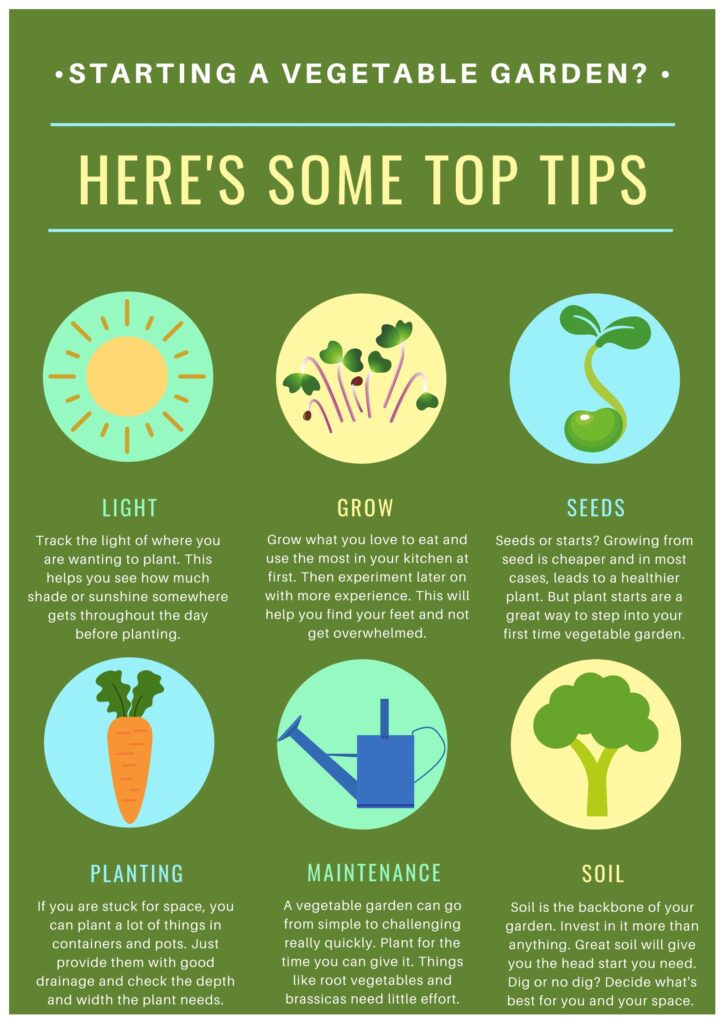
Are you thinking of cultivating your own garden? With a small piece of land near your home, you can start growing your own fruits and vegetables, saving money on groceries and enjoying fresh, organic produce. But it’s not just about having access to healthy food; gardening also provides a sense of accomplishment and connection with nature.
In this article, we’ll explore the basics of gardening, including how much space you need, what to look for in an ideal garden location, and the essential tools you’ll need to get started.
Space Requirements for Your Garden
The amount of space needed for your garden depends on how much produce you want to harvest and how much time you have available to maintain it. With 40 square meters (approximately 430 square feet) of land, you can easily provide enough fresh produce for a family of four during the summer months.
Creating an Ideal Garden Location
An ideal garden location should be:
- Well-exposed to sunlight: Choose a spot that receives direct sunlight for at least six hours a day, preferably facing east or west.
- Protected from harsh weather conditions: Ensure your garden is sheltered from strong winds and extreme temperatures, especially during winter months.
- Enclosed with fencing: A fence around the perimeter of your garden will help protect your plants from pests and predators.
Essential Tools for Gardening
To start gardening, you’ll need a few essential tools:
- A sturdy rake to smooth out the soil
- A shovel or spade for digging and planting
- A watering can or hose with a spray nozzle for efficient irrigation
- A set of hand tools, such as a small trowel, pruners, and cultivator
Seasonal Gardening Tips
To ensure optimal growth and productivity throughout the year, follow these seasonal gardening tips:
- Frost protection: Mulch your plants in the fall to protect them from frost damage.
- Pruning: Prune your plants regularly to promote healthy growth and prevent disease.
- Irrigation scheduling: Adjust your irrigation schedule according to the time of year and weather conditions.
Soil Preparation
Before planting, prepare your soil by:
- Fertilizing: Add compost or fertilizer to enrich the soil with essential nutrients
- Mulching: Apply a layer of organic mulch to retain moisture and suppress weeds
- Aerating: Use a fork or spade to loosen compacted soil
Choosing the Right Crops
Select plants that are suitable for your climate, soil type, and amount of sunlight. Some popular choices include:
- Leafy greens: Lettuce, spinach, kale, and arugula
- Root vegetables: Carrots, beets, radishes, and turnips
- Fruits: Strawberries, blueberries, raspberries, and blackberries
Tips for Beginner Gardeners
Starting a garden can seem daunting, but with these tips, you’ll be well on your way:
- Start small: Begin with a manageable size garden to avoid feeling overwhelmed.
- Research local growing conditions: Learn about the unique challenges and opportunities in your area.
- Join a gardening community: Connect with other gardeners for advice, support, and motivation.
Conclusion
Starting a garden is a rewarding experience that offers numerous benefits for your health, wallet, and mental well-being. By following these guidelines and tips, you’ll be well on your way to growing delicious, organic produce in no time!
Frequently Asked Questions
- What’s the best time of year to start a garden?
- The ideal time depends on your location and climate. Consult with local gardening experts or check online resources for specific guidance.
- How often should I water my plants?
- Watering frequency varies depending on factors like weather conditions, soil type, and plant species. Research the specific needs of your plants to ensure optimal hydration.
- What’s the best way to protect my garden from pests and diseases?
- Use a combination of physical barriers (like row covers), natural deterrents (such as neem oil or diatomaceous earth), and integrated pest management techniques to maintain a healthy ecosystem.
Additional Resources
- National Gardening Association: https://www.garden.org/
- USDA Plant Hardiness Zone Map: https://planthardiness.ars.usda.gov/
Common Garden Pests and Diseases
- Aphids: Small, soft-bodied insects that feed on plant sap
- Slugs and snails: Slow-moving pests that damage plants at night
- Fungal diseases: Such as powdery mildew or leaf spot, which can be caused by overwatering or poor air circulation
Organic Pest Control Methods
- Neem oil: A natural insecticide made from the seeds of the neem tree
- Diatomaceous earth: A powder made from fossilized algae that dehydrates pests
- Companion planting: Planting certain species together to deter pests
Organic Disease Control Methods
- Copper-based fungicides: Effective against a range of fungal diseases
- Baking soda: Can help control powdery mildew and other fungal diseases
- Pruning: Remove infected plants or parts to prevent the spread of disease
Growing Your Own Fruits
Some popular fruits to grow in your own garden include:
- Strawberries: Easy to grow and produce fruit within a year
- Blueberries: Require acidic soil but can thrive in cooler climates
- Raspberries: Can be grown in a variety of conditions, but require regular pruning
Growing Your Own Vegetables
Some popular vegetables to grow in your own garden include:
- Carrots: Easy to grow and require minimal care
- Beets: Can be grown in a variety of conditions, but require good drainage
- Tomatoes: One of the most popular garden fruits (yes, they’re technically a fruit!)
Conclusion
Growing your own food can seem intimidating, but with these guidelines and tips, you’ll be well on your way to enjoying fresh, organic produce in no time!


