
Introduction
Grafting roses is an art that requires patience, skill, and the right techniques. In this article, we’ll guide you through the process of grafting a rose, covering the best practices and tips for success.
Understanding Rose Propagation Methods
Roses can be propagated using four methods: cutting, propagation by stem, grafting, and layering. Among these methods, grafting is considered the most reliable and successful way to propagate roses.
Choosing the Right Grafting Method
When it comes to grafting roses, there are two popular methods: scudetto (a type of cut-and-come-again method) and gemma dormiente (a dormant bud method). For beginners, we recommend starting with the scudetto method.
Best Time for Grafting Roses
The ideal time for grafting roses depends on the climate and region. In general, it’s recommended to graft roses in late spring or early summer, when the plants are actively growing. This allows the grafted plant to establish itself before winter sets in.
Grafting a Rose: A Step-by-Step Guide
Scudetto Grafting Method
Preparing the Cutting
- Choose a healthy stem from a mature rose bush with at least 8 mm in diameter.
- Cut the stem just above a bud eye (about 10 cm from the ground).
- Remove any leaves below the graft union.
Creating the Incision
- Make an incision on the stem of the rootstock plant, about 2 cm long and 3 cm deep.
- Use a sharp knife or pruning tool to create a “T” shape incision.
Preparing the Grafting Material
- Remove any excess tissue from the graft material (the scudetto).
- Apply a small amount of wax or paraffin to the cut end of the graft material.
- Dip the graft material in melted wax or paraffin, coating it evenly.
Assembling the Graft
- Place the graft material onto the incision, ensuring it’s centered and secure.
- Apply a small amount of wax or paraffin to the graft union.
- Secure the graft with a piece of wire or string.
Gemma Dormiente (Dormant Bud) Method
This method involves grafting a dormant bud from a mature rose bush onto a rootstock plant. This method is more complex and requires specialized equipment.
Using Mastics to Favor Attecchimento
Mastics are products that help facilitate the healing process of grafted plants. For scudetto grafting, we recommend using a mastix for grafts, which can be applied directly to the incision site. This helps prevent infection and promotes healthy growth.
Tips for Successful Grafting
- Use high-quality materials: Choose healthy, disease-free rootstock plants and graft material.
- Keep it clean: Ensure all tools and equipment are sanitized before use.
- Monitor temperature: Keep the grafted plant in a warm environment (around 65-75°F) to promote healing.
Common Mistakes to Avoid
- Over-pruning: Don’t remove too many leaves or stems from the graft material, as this can cause stress and lead to failure.
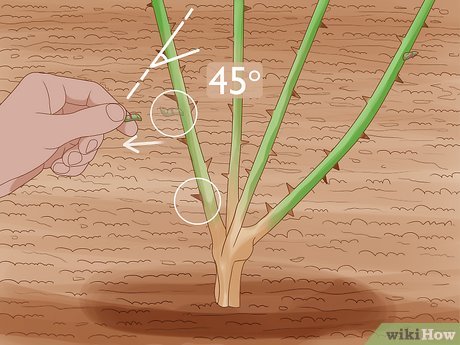
- Incorrect incision: Make sure the incision is made at a 45-degree angle and deep enough to allow for good contact between the graft material and rootstock plant.
Troubleshooting Grafting Issues
- Graft union not healing: Check if the graft union is dry or exposed to air. Apply additional wax or paraffin as needed.
- Rootstock plant dying: Inspect the rootstock plant for signs of disease or pest infestation. Treat promptly and ensure good care.
Frequently Asked Questions
Q1: What’s the best way to choose a rootstock plant?
A1: Choose a rootstock plant with healthy, vigorous growth and minimal disease. Look for plants with thick, sturdy stems and a well-developed canopy.
Q2: How long does it take for a grafted rose to produce blooms?
A2: The time it takes for a grafted rose to produce blooms can vary depending on the specific variety and grafting method used. On average, it can take 1-3 years for a grafted rose to produce its first blooms.
Q3: Can I graft any type of rose onto another plant?
A3: No, not all types of roses can be grafted onto another plant. Some varieties are more difficult to graft than others and may require specialized techniques or equipment.
Q4: How often should I water my grafted rose?
A4: Water your grafted rose regularly, but avoid overwatering. Aim for about 1 inch of water per week, either from rain or irrigation.
Q5: Can I graft multiple plants onto a single rootstock plant?
A5: Yes, you can graft multiple plants onto a single rootstock plant using the scudetto method. However, this requires careful planning and execution to ensure successful grafting.
Conclusion
Grafting roses is a rewarding process that requires patience, skill, and attention to detail. By following these steps and tips, you’ll be well on your way to becoming a master rose graftor! Remember to practice patience and stay up-to-date with the latest techniques and best practices in rose propagation.
Additional Tips for Experienced Grafters
- Experiment with different grafting methods: Try out various scudetto and gemma dormiente methods to see what works best for you.
- Join a grafting community: Connect with other grafters online or locally to share knowledge, resources, and experiences.
- Keep records: Track your grafting attempts, noting successes and failures, to refine your techniques over time.
By combining these tips with the step-by-step guide provided in this article, you’ll be well-equipped to tackle even the most challenging rose grafting projects. Happy grafting!


