
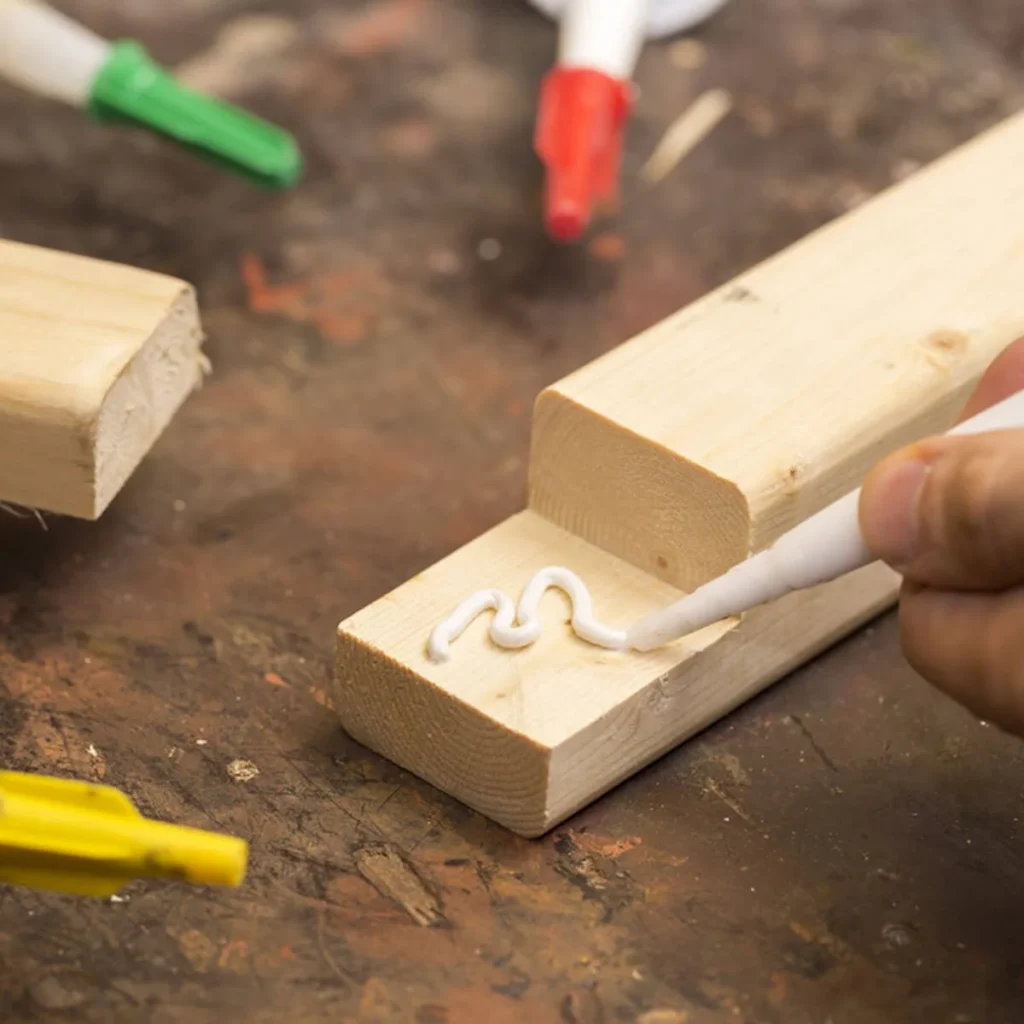
As any woodworker knows, bonding wood is an art that requires patience, skill, and the right tools. With so many adhesives on the market, it can be overwhelming to choose the best one for your project. In this article, we’ll delve into the world of wood bonding, exploring the different types of adhesives, their uses, and techniques for achieving a strong and lasting bond.
The Importance of Choosing the Right Adhesive
When it comes to bonding wood, the type of adhesive used can make all the difference. Different adhesives are suited for specific applications, and choosing the right one can ensure a strong and durable bond. In this article, we’ll explore three common types of adhesives used in woodworking: vinyl-based adhesives, contact adhesives, and epoxy adhesives.
Vinyl-Based Adhesives
Vinyl-based adhesives are the most widely used type of adhesive in woodworking. They’re known for their flexibility, durability, and ability to bond a wide range of materials, including wood, metal, and plastic. However, they have one major drawback: they can take time to dry.
Types of Vinyl-Based Adhesives
There are three main types of vinyl-based adhesives:
- Classical Vinyl Adhesive: This is the most common type of adhesive used in woodworking. It’s a water-based adhesive that dries slowly, making it ideal for bonding wood to wood.
- Aliphatic Vinyl Adhesive: This type of adhesive is more resistant to heat, moisture, and chemicals than classical vinyl adhesive. It’s often used for bonding wood to metal or plastic surfaces.
- Interlacing Vinyl Adhesive: This type of adhesive is designed for high-performance applications where a strong bond is required. It creates a rigid joint that resists movement and stress.
Using Vinyl-Based Adhesives
When using vinyl-based adhesives, it’s essential to follow these tips:
- Clean the surfaces: Ensure both surfaces are free from dust, dirt, and oils.
- Apply the adhesive evenly: Use a brush or applicator to apply an even layer of adhesive.
- Hold the pieces together: Apply pressure to ensure good contact between the surfaces.
- Allow the adhesive to dry: Let the adhesive dry completely before handling the joint.
Contact Adhesives
Contact adhesives are another popular choice for bonding wood. They’re known for their fast-drying properties and ability to bond a wide range of materials, including wood, metal, and plastic. However, they have one major drawback: they can be difficult to remove once applied.
Types of Contact Adhesives
There are several types of contact adhesives available:
- Neoprene-Based Adhesive: This type of adhesive is made from neoprene, a synthetic rubber that’s flexible and resistant to heat. It’s often used for bonding wood to metal or plastic surfaces.
- Super Clear Adhesive: This type of adhesive is a clear, non-yellowing adhesive that’s suitable for bonding wood to other materials.
Using Contact Adhesives
When using contact adhesives, follow these tips:
- Clean the surfaces: Ensure both surfaces are free from dust, dirt, and oils.
- Apply the adhesive evenly: Use a brush or applicator to apply an even layer of adhesive.
- Hold the pieces together: Apply pressure to ensure good contact between the surfaces.
- Allow the adhesive to dry: Let the adhesive dry completely before handling the joint.
Epoxy Adhesives
Epoxy adhesives are a popular choice for bonding wood due to their high strength and durability. They’re known for their ability to bond metal, glass, and other materials, making them ideal for high-performance applications.
Types of Epoxy Adhesives
There are several types of epoxy adhesives available:
- Two-Component Adhesive: This type of adhesive consists of two separate components: a resin and a hardener. The two components must be mixed together before application.
- One-Component Adhesive: This type of adhesive is pre-mixed and ready for use.
Using Epoxy Adhesives
When using epoxy adhesives, follow these tips:
- Mix the adhesive: Follow the manufacturer’s instructions to mix the resin and hardener together.
- Apply the adhesive: Use a brush or applicator to apply an even layer of adhesive.
- Hold the pieces together: Apply pressure to ensure good contact between the surfaces.
- Allow the adhesive to dry: Let the adhesive dry completely before handling the joint.
Tips for Achieving a Strong Bond
Regardless of which adhesive you choose, there are several tips to keep in mind when achieving a strong bond:
- Clean the surfaces thoroughly
- Apply an even layer of adhesive
- Hold the pieces together until the adhesive dries
- Avoid using excessive force or pressure
Common Mistakes to Avoid
When bonding wood, it’s easy to make mistakes that can lead to weak joints and failed projects. Here are some common mistakes to avoid:
- Not cleaning the surfaces thoroughly before applying the adhesive
- Applying too much adhesive, which can lead to a weak bond
- Not holding the pieces together until the adhesive dries
- Using excessive force or pressure, which can damage the wood or adhesive
Conclusion
Bonding wood can seem daunting, but with the right adhesive and techniques, it’s achievable. By understanding the different types of adhesives available and following these tips, you’ll be well on your way to creating strong, durable bonds that will last for years to come.
FAQs
- What is the best type of adhesive for bonding wood?
There are several types of adhesives suitable for bonding wood, including vinyl-based adhesives, contact adhesives, and epoxy adhesives. - How long does it take for vinyl-based adhesives to dry?
Vinyl-based adhesives typically take between 24-48 hours to dry completely. - What is the best way to remove contact adhesives?
Contact adhesives can be difficult to remove once applied, but a solvent or adhesive remover can help loosen and remove them. - Can epoxy adhesives be used with metal surfaces?
Yes, epoxy adhesives are commonly used for bonding metal surfaces due to their high strength and durability. - What is the best way to prevent air bubbles from forming when using an adhesive?
To prevent air bubbles from forming, ensure both surfaces are clean and dry before applying the adhesive, and use a brush or applicator to apply an even layer of adhesive. - How long does it take for epoxy adhesives to cure?
The curing time for epoxy adhesives can vary depending on the specific product, but most epoxy adhesives take between 24-72 hours to fully cure. -
What is the best way to clean up spills of adhesive?
To clean up spills of adhesive, use a solvent or adhesive remover and follow the manufacturer’s instructions for safe disposal. -
Can contact adhesives be used with glass surfaces?
Yes, contact adhesives can be used with glass surfaces, but they may not provide as strong a bond as other types of adhesives. -
What is the difference between vinyl-based and epoxy adhesives?
Vinyl-based adhesives are more flexible and forgiving than epoxy adhesives, which are more rigid and durable. -
Can I use contact adhesives for bonding wood to metal surfaces?
Yes, contact adhesives can be used for bonding wood to metal surfaces, but they may not provide as strong a bond as epoxy adhesives. -
What is the best way to store adhesive?
Adhesive should be stored in a cool, dry place, away from direct sunlight and moisture. -
Can I use contact adhesives with a humid environment?
Yes, contact adhesives can be used in humid environments, but they may not provide as strong a bond as other types of adhesives. -
What is the best way to remove adhesive residue?
To remove adhesive residue, use a solvent or adhesive remover and follow the manufacturer’s instructions for safe disposal. -
Can I use contact adhesives with a wet surface?
Yes, contact adhesives can be used with a wet surface, but they may not provide as strong a bond as other types of adhesives. -
What is the difference between vinyl-based and epoxy adhesives in terms of bonding strength?
Vinyl-based adhesives typically have a lower bonding strength than epoxy adhesives, which are more rigid and durable.
By understanding these tips and avoiding common mistakes, you’ll be well on your way to creating strong, durable bonds that will last for years to come.


