
Introduction
As the world prepares for the fifth National Programmatic Assembly on Green Economy, scheduled to take place in Rimini on November 7-8, we find ourselves at a crossroads. The assembly programmatica will be held in Rome on September 6th, and it’s time to discuss the economic value of environmental services. These services are the backbone of modern civilizations and the foundation of our economies, yet they remain largely invisible when it comes to their economic worth.
In this article, we will delve into the concept of environmental services, explore why they are undervalued, and discuss the consequences of not recognizing their economic value. We will also examine ways to balance the benefits of these services with their quality and performance, highlighting the importance of sustainable development and equitable distribution of benefits. Finally, we will provide answers to frequently asked questions on this topic.
The Invisible Value of Environmental Services
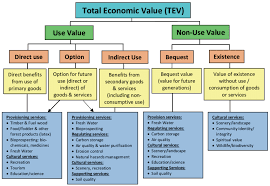
Environmental services are a vital component of human activities and the basis of all economies. They include essential functions such as air and water purification, soil formation, climate regulation, and pest control. However, attributing an exact value to these intangible resources is a daunting task. As Roberto Coizet, coordinator of the working group, puts it, “This general underestimation of the services provided by ecosystems has resulted in a sort of distortion of political, national, and international strategies, which has worsened over the years.”
The Consequences of Undervaluing Environmental Services
The consequences of undervaluing environmental services are far-reaching. On one hand, environmental degradation is accelerating at an alarming rate, threatening to reach irreversible levels in many cases. On the other hand, the social and economic costs of these damages have also skyrocketed, contributing to the slowing down of global development.
For instance, climate change poses significant threats to ecosystems, biodiversity, and human health. The World Health Organization estimates that air pollution causes over 7 million premature deaths annually, while deforestation and land degradation lead to loss of ecosystem services worth hundreds of billions of dollars each year. Moreover, water scarcity affects millions of people worldwide, leading to food insecurity, conflict, and economic instability.
A Call for Action
The document presented at the assembly programmatica proposes a framework for understanding the services provided by natural resources and offers six suggestions for intervention in specific areas. These proposals aim to balance the benefits (economic and employment-related) that arise from existing natural resources with their quality and performance, without compromising them.
The Economic Benefits of Environmental Services
While it may seem counterintuitive, there are economic benefits to preserving environmental services. By conserving natural resources, we can create opportunities for sustainable development, job creation, and innovation. The question is, how do we ensure that these benefits are distributed fairly and equitably?
For instance, the United Nations Environment Programme (UNEP) estimates that protecting biodiversity could add $16 trillion to the global economy by 2050. Similarly, a study by the World Bank found that investing in forest conservation and sustainable land use could increase economic growth and reduce poverty in developing countries.
Sustainable Development: A Shared Responsibility
The economic value of environmental services is not just a concern for governments or corporations; it’s a shared responsibility among all stakeholders. We need to work together to develop policies and practices that prioritize the well-being of both people and the planet.
This requires a fundamental shift in our approach to development, from one that prioritizes growth at any cost to one that balances economic, social, and environmental considerations. It also demands greater transparency and accountability in decision-making processes, ensuring that all stakeholders are involved and that their concerns are heard.
Conclusion
As we move forward in our quest for sustainable development, it’s essential that we recognize the economic value of environmental services. By doing so, we can create a more equitable and prosperous world for all. This requires a concerted effort from governments, corporations, civil society organizations, and individuals to prioritize sustainability, equity, and environmental conservation.
Frequently Asked Questions
- What is the economic value of environmental services?
The economic value of environmental services refers to the intangible benefits provided by natural resources, such as clean air and water, soil conservation, and climate regulation. - Why are environmental services undervalued?
Environmental services are undervalued due to their intangible nature and the difficulty in attributing a specific monetary value to them. - What are the consequences of undervaluing environmental services?
Undervaluing environmental services can lead to increased costs for human health, economic losses, and damage to ecosystems. - How can we balance the benefits of environmental services with their quality and performance?
To balance the benefits of environmental services with their quality and performance, we need to develop policies and practices that prioritize sustainability and equitable distribution of benefits. - What role do governments play in promoting sustainable development?
Governments have a crucial role to play in promoting sustainable development by developing and implementing policies that support environmental conservation and social equity. -
Can individual actions make a difference in promoting sustainable development?
Yes, individual actions can make a significant difference in promoting sustainable development. By making conscious choices about energy consumption, waste reduction, and sustainable consumption patterns, individuals can contribute to a more sustainable future. -
How can businesses benefit from environmental services?
Businesses can benefit from environmental services by adopting sustainable practices, investing in renewable energy, and developing products and services that promote environmental conservation. -
What is the relationship between environmental services and economic growth?
Environmental services are not just a cost; they are also a source of economic growth through sustainable development, job creation, and innovation. -
Can environmental services be traded or sold?
Yes, environmental services can be traded or sold, but this requires careful consideration of their intangible nature and the potential for market manipulation. -
What is the future of environmental services in terms of valuation and pricing?
The future of environmental services in terms of valuation and pricing remains uncertain, but it’s essential that we develop new methods and frameworks to accurately assess and price these services. -
How can we ensure that the benefits of environmental services are shared equitably?
To ensure that the benefits of environmental services are shared equitably, we need to develop policies and practices that prioritize social equity and distribution of benefits. -
What is the role of international cooperation in promoting sustainable development?
International cooperation plays a critical role in promoting sustainable development by sharing knowledge, best practices, and resources to address global environmental challenges. -
Can environmental services be used as a tool for economic development?
Yes, environmental services can be used as a tool for economic development by supporting sustainable growth, job creation, and innovation. -
What are the challenges in valuing environmental services for policy-making purposes?
Valuing environmental services for policy-making purposes is challenging due to their intangible nature, variability, and uncertainty. -
How can we ensure that environmental services are integrated into decision-making processes?
To ensure that environmental services are integrated into decision-making processes, we need to develop policies and practices that prioritize sustainability and involve all stakeholders in the decision-making process.


