
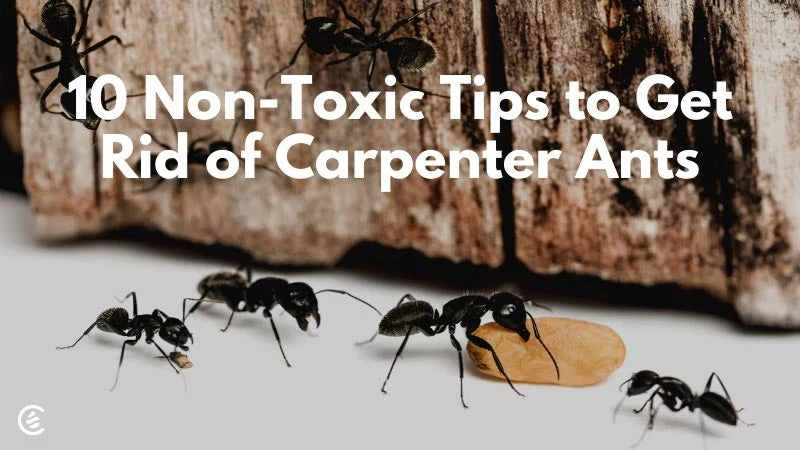
Carpenter ants are unwelcome guests that, unlike traditional ants, wreak havoc on our wood-based homes. This pest is often referred to as a carpenter due to its devastating ability to destroy wood, and it’s not uncommon for homeowners to find themselves at the mercy of these pesky creatures.
In this article, we’ll delve into the characteristics of carpenter ants, explore their relationship with other pests like termites and tar ants, and discuss effective methods for eliminating them. We’ll also examine the risks associated with using insecticides and highlight alternative solutions that are safer and more effective.
Characteristics of Carpenter Ants
Carpenter ants are distinct from other ants due to their unique characteristics:
- Their bodies are black, while their heads are reddish in color.
- They have 11 segments in their antennae and medium-sized eyes.
- Their mandibles are triangular-shaped.
- The tip of their digestive system is a short, pointed pungent organ that they use to release venom when threatened.
One way to identify carpenter ants is by observing the “stigmata” (wounds) they leave on wood surfaces when attacking wooden structures. They also exhibit remarkable social behavior, often forming colonies with satellite nests and complex networks of tunnels and chambers within which they live and reproduce.
Social Structure and Behavior
Carpenter ant colonies are highly organized and complex. A single colony can consist of thousands of ants, all working together to build and maintain their underground network of tunnels and chambers. The queen ant is responsible for laying eggs and ensuring the survival of the colony, while worker ants focus on foraging, caring for young, and defending the nest.
Relationship with Other Pests
Carpenter ants often form symbiotic relationships with other pests, such as termites and tar ants. These relationships can be mutually beneficial, with each species benefiting from the others’ presence. For example, carpenter ants may provide shelter for termites in exchange for protection from predators or other insects.
Risks Associated with Insecticides
The use of insecticides can be a tempting solution for homeowners dealing with carpenter ants. However, it’s essential to consider the potential risks involved:
- Most insecticides contain toxic substances that can harm humans and pets if inhaled or ingested.
- Spraying insecticides around homes can lead to widespread dispersal of these chemicals into the air, posing a risk to those inside the home.
When using insecticides, it’s crucial to exercise caution and follow the manufacturer’s instructions carefully. Moreover, this approach is often ineffective against carpenter ants, as they are highly social creatures that rely on complex communication networks to coordinate their behavior.
Alternative Solutions
Given the risks associated with traditional methods of elimination, consider alternative approaches:
- Hire a professional pest control service: These experts know how to identify and address carpenter ant infestations effectively, often using targeted treatments and strategies tailored to specific situations.
- Use bait stations or other non-toxic deterrents: Instead of resorting to insecticides, consider using non-toxic baits that can target the queen ant without harming other creatures in your home.
Natural Methods of Elimination
In addition to alternative solutions, there are several natural methods that can help eliminate carpenter ants:
- Use essential oils: Certain essential oils, such as peppermint and tea tree oil, have been shown to repel carpenter ants.
- Employ diatomaceous earth: This non-toxic powder is made from the fossilized remains of tiny aquatic organisms and can be used to dehydrate and kill carpenter ants.
- Seal entry points: By sealing any cracks or crevices in your home’s foundation, you can prevent carpenter ants from entering and establishing a colony.
Conclusion
Carpenter ants are a force to be reckoned with when it comes to damaging our wood-based homes. While they may seem like just another type of ant, their unique characteristics and social behavior make them particularly challenging to eliminate. By adopting a more nuanced approach that prioritizes caution and effective strategies, homeowners can protect their properties from these pesky pests.
Frequently Asked Questions
Q: What are the most common signs of carpenter ant infestation?
A: Look for signs like small holes in wood surfaces, discolored or frayed wood fibers, and “stigmata” (wounds) left behind by the ants themselves.
Q: Can I get rid of carpenter ants on my own?
A: While some homeowners may attempt to tackle carpenter ant infestations independently, it’s often best to hire a professional pest control service. These experts have the training and equipment necessary to address these complex issues effectively.
Q: What are some effective alternative methods for eliminating carpenter ants?
A: Options include using bait stations or other non-toxic deterrents, hiring a professional pest control service, and employing targeted treatments specifically designed to target the queen ant.
Q: Can insecticides be used safely around homes?
A: Insecticides can pose risks to human health and pets if not handled properly. Homeowners should exercise caution when using these chemicals and follow the manufacturer’s instructions carefully.
Q: How much does it cost to hire a professional pest control service for carpenter ant elimination?
A: The cost of hiring a professional pest control service can vary depending on factors like location, severity of infestation, and specific treatment plans. On average, homeowners may expect to pay between $100 and $200 for effective removal services.
Q: What are some common misconceptions about carpenter ants?
A: One common misconception is that carpenter ants only target wood structures in their immediate vicinity. In reality, they can colonize entire homes if left unchecked.
Q: Can I prevent future infestations by sealing entry points and removing food sources?
A: By taking proactive steps to seal entry points and eliminate potential food sources (like standing water or debris), homeowners can significantly reduce the likelihood of attracting carpenter ants in the first place.


