
What are Fruit Flies?
Fruit flies, also known as Drosophila melanogaster, are a species of fly that belongs to the family Muscidae. They are native to Africa and Asia but have been introduced to many parts of the world, including Europe and North America. These tiny insects are found near fermenting or decaying organic matter, such as fruit, vegetables, and trash.
Fruit flies are one of the most common household pests, and their presence can be a nuisance. They can contaminate food, spread diseases, and even transmit parasites to humans. In this comprehensive guide, we will explore everything you need to know about fruit flies, from their history, physical characteristics, and life cycle to effective remedies for elimination and prevention.
The History of Fruit Flies
Fruit flies have been used in scientific research for over a century, particularly in genetics and evolution studies. They are an important model organism due to their unique life cycle and genetic makeup. The use of fruit flies in science dates back to the early 20th century when they were first introduced as a model organism for studying inheritance patterns.
In recent years, fruit flies have gained popularity in biotechnology research, particularly in the field of synthetic biology. Scientists are using fruit flies to develop new methods for gene editing and synthetic genomics. The small size and rapid breeding cycle of fruit flies make them an ideal choice for genetic studies.
Physical Characteristics
Adult fruit flies are typically 2-3 millimeters long, with a yellowish-brown body and red eyes. Males have distinctive black stripes on their abdomen, while females do not. Fruit flies can live for only two weeks at room temperature, during which time they go through four stages: egg, larva, pupa, and adult.
Fruit flies are attracted to light sources and can be seen flying around lights, particularly in the evening hours. They also have a distinctive buzzing sound when they fly, which can be a giveaway of their presence.
Life Cycle of Fruit Flies
The life cycle of fruit flies consists of four stages: egg, larva, pupa, and adult. Females can lay up to 600 eggs in moist environments, which hatch into larvae within 24 hours. Larvae feed on microorganisms and decomposing organic matter before pupating for five days. Adult flies emerge from the pupae and mate within 12 hours.
Fruit fly eggs are typically laid near fermenting or decaying organic matter, such as fruit, vegetables, and trash. The presence of fruit fly eggs can be a sign of an infestation, and it’s essential to eliminate the source of fermentation or decay to prevent further egg-laying.
How Fruit Flies Form
Fruit flies are attracted to fermenting or decaying organic matter, such as fruit, vegetables, and trash. They lay their eggs in these environments, where they can develop into larvae. The presence of fruit flies can indicate a problem with food storage or waste management.
For example, if you notice a pile of rotting fruit or a container of spoiled milk, it’s likely to attract fruit fly infestation. Regularly cleaning up debris and disposing of trash in sealed containers can help prevent the spread of fruit flies.
Eliminating Fruit Flies: Remedies
Natural Remedies
- Piretrin Spray: A natural insecticide that can eliminate adult fruit flies.
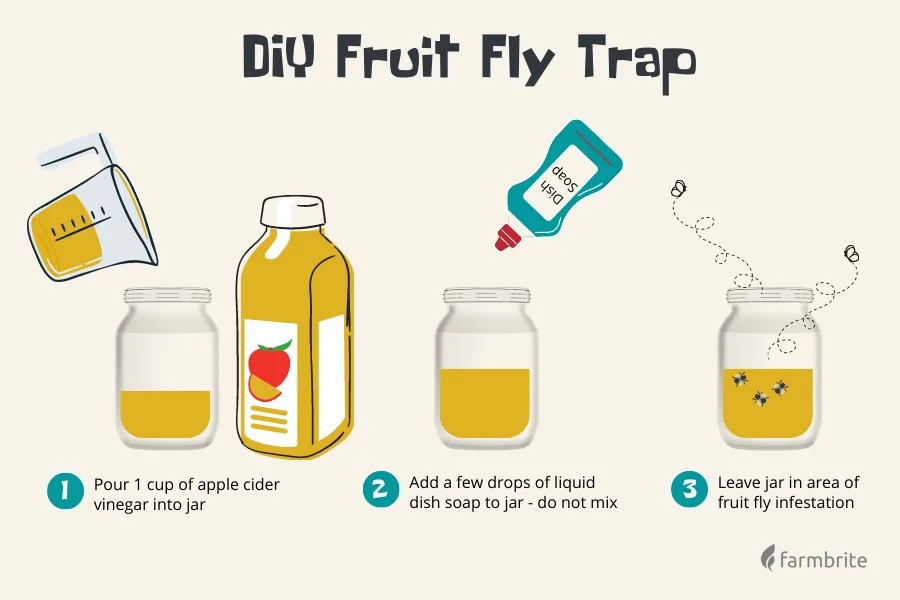
- Homemade Trap: Mix apple cider vinegar, sugar, and water to create a sticky trap that attracts fruit flies.
- Essential Oils: Certain essential oils, such as neem oil, eucalyptus oil, geranium oil, and citronella oil, can repel fruit flies.
Chemical Remedies
- Detergents: Spray detergents, such as soap or dishwashing liquid, on surfaces to kill fruit flies.
- Insecticides: Use insecticides specifically labeled for fruit fly control.
Preventing Fruit Fly Infestations
To prevent fruit fly infestations, follow these tips:
- Store food properly: Keep food in sealed containers and clean up spills immediately.
- Dispose of trash regularly: Regularly dispose of trash and recyclables to prevent attracting fruit flies.
-
Use screens: Install screens on windows and doors to keep fruit flies out.
-
Cleanliness is key: Regularly sweep and mop floors, and wash dishes after every meal to reduce the risk of fruit fly infestation.
- Eliminate standing water: Fruit flies need water to survive, so eliminate any sources of standing water, such as pet water dishes or clogged drains.
Conclusion
Fruit flies can be a nuisance, but with the right knowledge and tools, you can eliminate them from your home or garden. By understanding their life cycle, physical characteristics, and behavior, you can take effective measures to prevent infestations and control populations.
Remember, prevention is key when it comes to fruit fly infestations. Regularly cleaning up debris and disposing of trash in sealed containers can help prevent the spread of fruit flies. If you do encounter a fruit fly infestation, don’t hesitate to use natural or chemical remedies to eliminate them.
FAQs
Q: Are fruit flies poisonous?
A: No, fruit flies are not poisonous to humans. However, they can be vectors for diseases and parasites.
Q: Can I get rid of fruit flies using bleach?
A: Yes, bleach can kill fruit flies, but it’s essential to mix it with water and use it in a well-ventilated area to avoid inhaling fumes.
Q: How do I prevent fruit fly infestations in my garden?
A: Regularly clean up debris and weeds, and use physical barriers, such as row covers, to prevent fruit flies from reaching your plants.
Q: Can I get rid of fruit flies using diatomaceous earth?
A: Yes, diatomaceous earth is a natural substance that can dehydrate and kill fruit flies. Sprinkle it around the area where you want to eliminate the infestation.
Q: What are the signs of a fruit fly infestation?
A: Signs of a fruit fly infestation include the presence of flying adult fruit flies, fruit or vegetable spoilage, and the presence of eggs or larvae in decaying organic matter.
Q: Can I get rid of fruit flies using essential oils?
A: Yes, certain essential oils, such as peppermint oil, lemongrass oil, and citronella oil, can repel fruit flies. Mix a few drops of the essential oil with water and spray it around the area to repel fruit flies.
Q: How often should I clean my home or garden to prevent fruit fly infestations?
A: Regularly cleaning up debris and disposing of trash in sealed containers can help prevent the spread of fruit flies. Clean your home or garden at least once a week, or more frequently if you notice signs of fruit fly infestation.
By following these tips and using effective remedies for elimination, you can keep your home or garden free from fruit fly infestations and enjoy a pest-free living space.


