
Understanding the Problem
As any poultry breeder or enthusiast knows, chicken lice can be a significant pest in your coop. These tiny parasites feed on the blood of chickens, causing discomfort and stress to the birds. If left untreated, they can lead to serious health issues and even death.
One type of louse commonly found on chickens is the “red mite” or “chicken lice.” These small insects are difficult to eliminate due to their rapid resistance to treatments and tiny size, which allows them to hide in deep crevices and cracks. In fact, it can be challenging to reach them with conventional methods.
Where Do Chicken Lice Hide?
Chicken lice tend to seek shelter in various hiding spots within the coop, including:
• Attenuated hardware (e.g., feeders, waterers)
• Furniture
• Narrow cracks and crevices in wooden surfaces
If you notice any deteriorated or damaged components (especially wood), it’s crucial to replace them promptly to prevent lice infestations.
Eliminating Chicken Lice: A Step-by-Step Approach
To effectively eliminate chicken lice, a series of repeated and frequent disinfestations is necessary. In typical cases, one annual treatment may suffice; however, during infestations, it’s recommended to increase the frequency to at least weekly during peak summer months when lice growth is most rapid.
Disinfection Protocol
Follow the guidelines outlined in our article “Cleaning the Coop: A Step-by-Step Guide to Disinfection” and supplement with environmental acaricides (preferably natural) designed for use in zootechnology. Acaricidal products can be categorized into two main types:
• Natural Acaricides: Derived from extracts of pyrethrum or geranium
• Synthetic Acaricides: Typically based on permethrin microcapsules or ester phosphoric compounds
Some effective natural acaricides include those containing piretro extract or geraneo. Conversely, synthetic products often fall under the category of permetrine-based or ester phosphoric compounds.
Natural vs. Synthetic Treatments
If the infestation is relatively light, homemade remedies such as calceous treatments on walls may be sufficient. However, when numerous insects are present, using an acaricide applicator or a flame-activated device (such as a bruciator) could help eliminate them entirely.
Timing and Avoiding Lice Exposure
A vital aspect of managing chicken lice is understanding their behavior:
- Nocturnal Activity: Lice are active at night and hide in small crevices during the day
- Daytime Confinement: Keep birds confined indoors to prevent lice from spreading
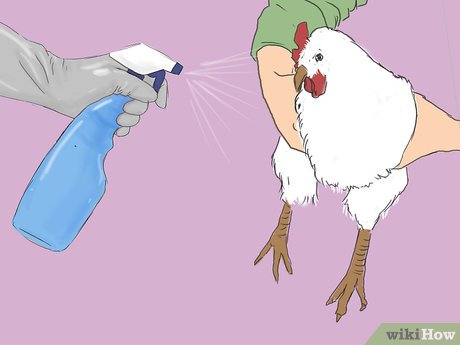
To counteract this, it’s best to avoid spraying antiparasitic agents on your chickens’ feathers. Instead, consider applying natural repellents, such as those derived from citronella or neem oil, which serve as effective deterrents.
Conclusion
Chicken lice can be a formidable challenge in poultry management, but with the right approach and tools, it is possible to eliminate them effectively. By understanding where they hide, following a comprehensive disinfestation strategy, and taking preventive measures, you can keep your flock healthy and happy.
Frequently Asked Questions (FAQs)
-
How often should I disinfect my chicken coop?
- Frequency depends on the severity of the infestation; aim for at least weekly treatments during peak summer months.
-
What are some natural remedies to repel lice from chickens?
-
Options include using citronella or neem oil-based repellents, which can be applied directly to feathers without causing harm.
-
How do I treat wooden surfaces within the coop for lice infestations?
-
Regularly inspect and replace any damaged wood components to prevent further infestation.
-
Can I use synthetic acaricides in my chicken coop?
-
While they may be more effective, using synthetic products requires caution due to potential environmental concerns and toxicity risks.
-
How can I ensure that I don’t accidentally spread lice from one area of the coop to another?
-
Keep the coop clean, disinfected regularly, and maintain good ventilation to reduce the risk of transmission.
-
What are some common signs of an active chicken lice infestation?
-
Look for increased scratching behavior, dull plumage, or a general decrease in flock vitality.
-
How long does it typically take to eliminate lice from chickens using conventional treatments?
-
Results can vary depending on the effectiveness of the treatment and the severity of the initial infestation; however, repeated applications are usually necessary for complete elimination.
-
Are there any specific precautions I should take when handling chemicals or disinfectants in my chicken coop?
-
Always follow safety guidelines, wear protective gear (such as gloves), and avoid direct exposure to chemical solutions.
-
Can I treat chickens for lice using homemade remedies alone?
-
While some homemade treatments may be effective, relying solely on these methods can lead to incomplete elimination or prolonged infestation; thus, it’s recommended to supplement with conventional treatments if necessary.
-
What are the long-term consequences of not treating chicken lice effectively?
-
Inadequate treatment can result in serious health issues, reduced flock productivity, and increased mortality rates.
Preventing Future Infestations
To maintain a healthy and lice-free flock, consider implementing these preventive measures:
- Regular coop cleaning
- Using diatomaceous earth or powdered sulfur as natural deterrents
- Maintaining good ventilation to reduce humidity levels
- Keeping your chickens’ living space well-lit
Managing Coop Sanitation
Maintain proper sanitation within the coop by regularly removing waste, replacing bedding materials, and disinfecting all surfaces with a suitable acaricide.
Chicken Lice Treatment Options
For effective treatment, consider the following methods:
- Calceous Treatment: This involves applying crushed eggshells or diatomaceous earth to walls and surrounding areas.
- Acaricide Treatments: Use environmentally friendly options such as pyrethrin-based sprays or neem oil-based treatments for a more holistic approach.
- Diatomaceous Earth: A natural, non-toxic powder that can be sprinkled on the coop’s floor to dehydrate and kill lice.
Managing Coop Hygiene
To ensure cleanliness and prevent future infestations:
- Clean out any debris from the coop
- Remove soiled bedding materials and replace them with fresh material
- Disinfect all surfaces, paying particular attention to areas around feeders and waterers
- Allow adequate ventilation in the coop
Flock Health Monitoring
Regular monitoring is crucial for detecting early signs of lice infestation:
- Check your flock regularly for signs of discomfort or stress (increased scratching, dull feathers)
- Inspect the coop for any visible signs of lice (small insects, eggs, or debris)
By implementing these measures and maintaining a clean, well-ventilated coop, you can keep your chickens healthy and free from lice.


