
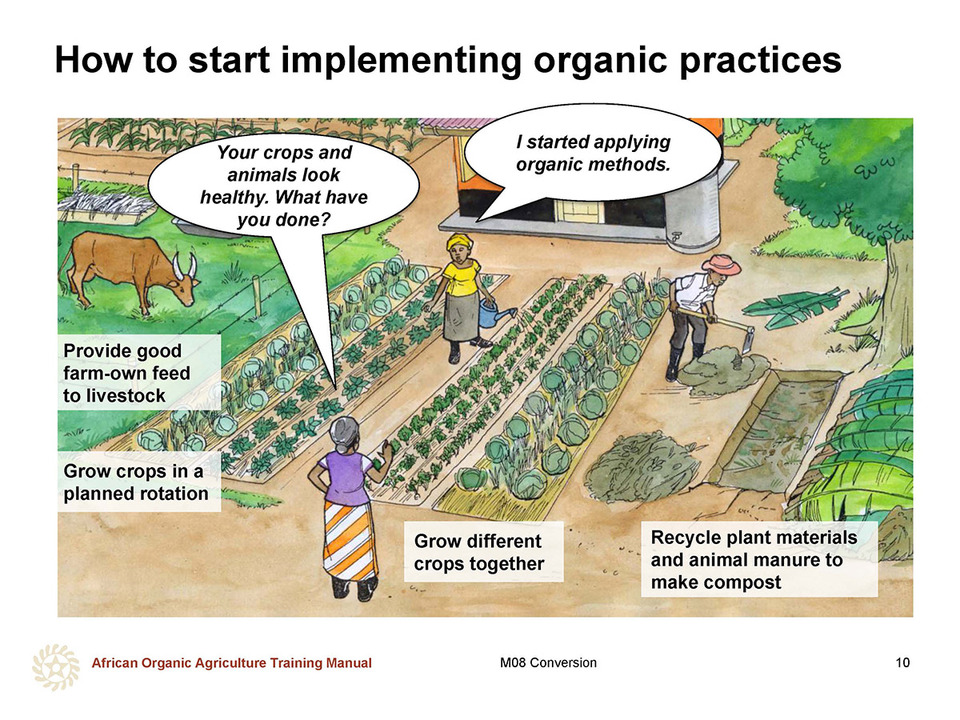
As we strive for a more sustainable and environmentally-friendly way of living, many of us are curious about organic agriculture. But what exactly is organic farming, and how can it benefit our planet and our health?
In recent years, there has been a growing interest in organic agriculture, with more and more consumers seeking out products that are produced without synthetic pesticides, herbicides, or fertilizers. Organic farming practices have become increasingly recognized as a key component of sustainable agriculture, promoting soil health, biodiversity, and ecosystem services while also providing cleaner food for human consumption.
What is Organic Agriculture?
Organic agriculture refers to a system of farming that eliminates the use of artificial chemicals and instead focuses on cultivating products that are genuine, fresh, and in harmony with nature’s cycles. This approach not only benefits the environment but also promotes a more natural and sustainable way of producing food.
At its core, organic farming is based on the principles of soil conservation, crop diversification, companion planting, natural fertilizers, and water conservation. By adopting these practices, farmers can create a healthier ecosystem that supports biodiversity and reduces environmental harm.
The Five Key Principles of Organic Agriculture
So, what sets organic agriculture apart from conventional farming practices? There are five key principles that guide this approach:
1. Water Conservation
Organic farmers prioritize water conservation, recognizing its preciousness. By using techniques such as drip irrigation, which delivers water directly to the roots of plants, they minimize waste and ensure efficient use.
Drip irrigation is a highly effective way to conserve water in organic farming. This method involves delivering water directly to the plant’s root system, reducing evaporation and runoff. It also allows for better control over soil moisture levels, ensuring that crops receive exactly what they need while minimizing excess water usage.
2. Soil Health
The first rule of organic farming is to respect and care for the soil. This means implementing crop rotation strategies like “maggese,” where parts of the land are left fallow to allow for natural regeneration. By doing so, farmers promote soil fertility and prevent erosion.
Crop rotation is a critical component of organic agriculture. It involves planting different crops in a specific sequence to break disease cycles, improve soil health, and increase biodiversity. This approach also helps maintain soil structure, preventing erosion and landslides while promoting healthy microbial activity.
3. Crop Diversification
Another essential principle is crop diversification. Organic farmers plant a variety of crops together, including those that attract beneficial insects. This approach not only protects against pests but also enhances biodiversity.
Crop diversification is an effective way to promote ecological balance in organic agriculture. By planting multiple crops together, farmers create an ecosystem where beneficial insects can thrive, reducing the need for pesticides and other chemicals. It also helps maintain soil health, as different crops have unique nutrient requirements that can be met through natural means.
4. Companion Planting
A key technique in organic agriculture is companion planting. By growing different plants alongside each other, farmers create an ecosystem where beneficial insects can thrive, reducing the need for pesticides.
Companion planting is a simple yet powerful technique used in organic farming. It involves pairing different crops together to take advantage of their unique benefits, such as attracting beneficial insects or repelling pests. This approach not only reduces chemical usage but also promotes ecological balance and biodiversity.
5. Natural Fertilizers
Organic farming replaces synthetic fertilizers with natural alternatives like compost and manure. These nutrients promote soil health and support plant growth while minimizing environmental harm.
Compost is a valuable resource in organic agriculture, providing essential nutrients for healthy plant growth. It’s created by breaking down organic waste, such as food scraps and yard trimmings, into a nutrient-rich substance that can be used to fertilize crops.
The Benefits of Organic Agriculture
So, what are the benefits of adopting organic agriculture practices? Not only do they contribute to a more sustainable food system, but they also have a positive impact on human health and the environment.
- Cleaner Food: Organic produce is free from synthetic pesticides, herbicides, and fertilizers, ensuring a cleaner and healthier diet.
- Soil Conservation: By using natural methods, organic farmers protect soil health, preventing erosion and promoting biodiversity.
- Reduced Greenhouse Gas Emissions: Organic agriculture reduces the need for fossil fuels, minimizing greenhouse gas emissions and mitigating climate change.
From Supermarkets to Your Table
When shopping at your local supermarket, you might be surprised by the difference between conventional and organic produce. Ranges that appear dull or unappealing are often actually more genuine – organic and chemical-free.
By choosing organic options, consumers can support sustainable agriculture practices and promote a healthier food system for generations to come. Look for certifications like “USDA Organic” when shopping for products to ensure that they meet strict standards for environmental sustainability and human health.
FAQs
Q: What is the biggest misconception about organic farming?
A: Many people assume that organic farming is slower or less efficient than conventional methods. However, with proper planning and technique, organic agriculture can be just as productive and cost-effective.
By adopting organic practices, farmers can create a more sustainable food system while also reducing environmental harm. With careful planning and management, it’s possible to maintain high yields and productivity levels in organic farming.
Q: How does organic agriculture impact soil health?
A: By implementing crop rotation strategies like “maggese” and using natural fertilizers, organic farmers promote soil fertility and prevent erosion, resulting in healthier soils.
Soil health is a critical component of organic agriculture. By adopting practices that prioritize soil conservation and fertility, farmers can create a more sustainable food system while also reducing environmental harm.
Q: Can I grow my own organic garden at home?
A: Absolutely! Growing an organic garden requires minimal equipment and knowledge. Start by choosing a spot with good sunlight and preparing the soil with compost or manure.
Growing an organic garden is a great way to get involved in sustainable agriculture practices while also enjoying fresh, healthy produce right from your own backyard. With proper planning and care, it’s possible to create a thriving ecosystem that supports biodiversity and reduces environmental harm.
Q: Are all organic products created equal?
A: No, not all organic products are created equal. Look for certifications like “USDA Organic” to ensure that your food meets strict standards for environmental sustainability and human health.
When shopping for organic products, it’s essential to look for certifications like “USDA Organic.” These standards ensure that products meet rigorous guidelines for environmental sustainability and human health.
Q: Can I make a living from organic agriculture?
A: With proper planning and marketing, it is possible to make a living from organic farming. Many farmers have successfully transitioned to sustainable practices, building thriving businesses that support their communities.
Organic farming can be a profitable and fulfilling career choice for those who are passionate about sustainable agriculture. By adopting practices that prioritize soil health, biodiversity, and ecological balance, farmers can create a more sustainable food system while also reducing environmental harm.


