
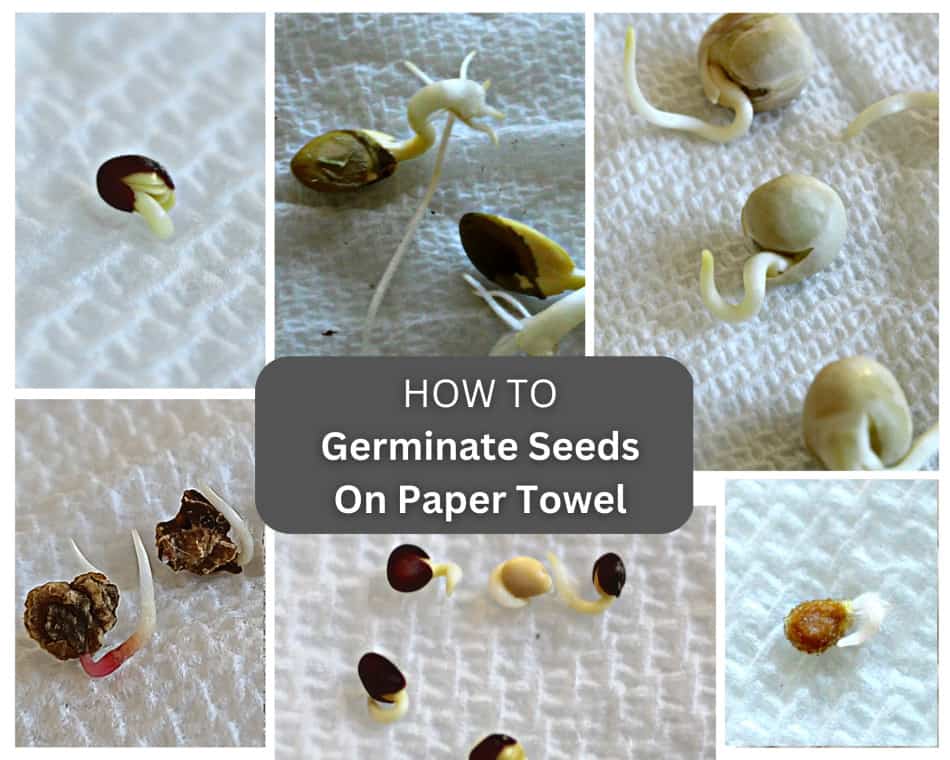
As a beginner gardener, have you ever wondered how to get your seeds to germinate? With the right techniques and materials, you can successfully grow your own plants from seed. In this article, we’ll explore the different methods of germinating seeds, including the best containers, soils, and techniques for each type of seed.
Choosing the Right Container
When it comes to containing your seeds, there are many options available. From biodegradable vases to plastic trays, you can choose the one that suits your needs. For small quantities of seeds, a vase or cup is ideal, while larger amounts require a tray or container specifically designed for seed starting.
Soil Selection
The type of soil you use for germinating seeds is crucial. Look for high-quality potting soil that drains well and is free of contaminants. Avoid using regular garden soil, as it can compact and prevent the roots from growing properly.
Temperature Control
Different types of seeds require different temperatures to germinate. Check the specific instructions on your seed packet to ensure you’re providing the right conditions.
Common Challenges in Seed Germination
- Overwatering: Too much water can cause the soil to become waterlogged, leading to root rot and poor germination.
- Underwatering: On the other hand, if the soil is too dry, the seeds may not receive enough moisture to germinate.
- Light Exposure: Some seeds require direct light to germinate, while others prefer indirect or filtered light.
Seed Selection
When choosing a seed to plant, consider factors such as:
- Climate: Choose varieties that are suitable for your region’s climate and temperature range.
- Light requirements: Select seeds that require the right amount of light for optimal growth.
- Soil preferences: Choose seeds that thrive in your preferred soil type.
How to Germinate Seeds
Here are some step-by-step instructions for germinating seeds:
- Prepare the Container: Fill the container with potting soil, leaving enough space for the seed to grow.
- Plant the Seed: Place the seed at the correct depth, following the specific instructions on your seed packet.
- Water and Seal: Water the soil gently but thoroughly, then cover the container with a clear plastic bag or cloche.
- Provide Light: Place the container in a location that provides the right amount of light for the seed to germinate.
Common Types of Seeds
- Vegetable Seeds: These seeds are designed for indoor or outdoor cultivation and require specific growing conditions.
- Flower Seeds: These seeds are used for ornamental purposes and often have unique characteristics, such as fragrance or color.
- Herb Seeds: These seeds are used to grow herbs like basil, mint, and rosemary.
Tips and Tricks
- Use a heating mat or warm location to promote germination, especially for cool-season crops like broccoli and kale.
- Avoid over-handling the soil to prevent compacting it around the seed.
- Keep the container clean and free of contaminants to reduce the risk of disease.
Common Seed Germination Times
- Fast-germinating seeds: These include lettuce, spinach, and radish (7-14 days)
- Medium-germinating seeds: These include tomatoes, peppers, and eggplants (14-21 days)
- Slow-germinating seeds: These include beans, peas, and squash (21-28 days)
Frequently Asked Questions
Q: What is the ideal temperature for germinating seeds?
A: The ideal temperature varies depending on the seed type, but most seeds germinate best between 65-75°F (18-24°C).
Q: How long does it take to germinate seeds?
A: Germination times vary depending on the seed type and conditions.
Q: What is scarification, and how do I perform it?
A: Scarification is a technique used to soften the outer layer of the seed, allowing it to germinate more easily. To scarify seeds, use a fine-grit sandpaper or a nail file to gently wear away the outer layer.
Conclusion
Starting seeds can seem intimidating at first, but with the right techniques and materials, you can successfully grow your own plants from seed. By understanding the different methods of germinating seeds, choosing the right container and soil, controlling temperature, and following specific instructions for each type of seed, you’ll be well on your way to growing delicious and healthy crops.
FAQs
- Q: What is the best way to start seeds indoors?
A: Use a heating mat or warm location to promote germination, and keep the container clean and free of contaminants. - Q: Can I use regular garden soil for starting seeds?
A: No, as it can compact and prevent the roots from growing properly. Instead, use high-quality potting soil specifically designed for seed starting. - Q: How often should I water my seedlings?
A: Water gently but thoroughly when the soil feels dry to the touch, usually every 2-3 days during the germination phase. - Q: Can I start seeds in a cold frame or greenhouse?
A: Yes, as these structures provide optimal temperature and light conditions for seed germination. - Q: How do I know when my seeds have germinated?
A: Check daily for signs of germination, such as white roots, green shoots, and sprouting leaves.
Additional Tips for Seed Starting
- Monitor humidity: Keep the container humid to promote germination, but avoid over-saturating the soil.
- Provide adequate light: Most seeds require direct or indirect light to germinate. Adjust your location accordingly.
- Keep containers clean: Regularly clean and disinfect your containers to prevent disease from spreading.
Common Mistakes to Avoid in Seed Starting
- Overwatering: Too much water can lead to root rot and poor germination.
- Underwatering: If the soil is too dry, seeds may not receive enough moisture to germinate.
- Incorrect temperature: Seeds require specific temperatures for optimal germination. Be sure to check the seed packet instructions.
Conclusion
Starting seeds requires attention to detail and a willingness to learn. By following these tips and tricks, you’ll be well on your way to growing healthy and delicious crops from seed. Remember to monitor humidity, provide adequate light, and keep containers clean to promote successful germination.
By understanding the different methods of germinating seeds, choosing the right container and soil, controlling temperature, and following specific instructions for each type of seed, you’ll be able to grow a wide variety of plants, from vegetables and flowers to herbs and more. With practice and patience, you’ll become a skilled seed starter and enjoy a bountiful harvest all season long.
Seed Starting Glossary
- Scarification: The process of softening the outer layer of a seed to allow it to germinate.
- Germination: The process by which a seed sprouts and grows into a plant.
- Seeds: The reproductive structures of plants that contain the embryo and stored nutrients necessary for growth.
- Seed starting mix: A specialized soil blend designed specifically for starting seeds.
By understanding these key terms, you’ll be better equipped to navigate the world of seed starting and grow the best crops possible. Whether you’re a seasoned gardener or just starting out, this guide will provide you with the knowledge and confidence you need to succeed.
Seed Starting Resources
- Seed catalogs: A list of available seeds for purchase.
- Seed starting kits: Pre-packaged mixtures designed specifically for starting seeds.
- Online seed libraries: Digital collections of seeds shared among gardeners.
- Local nurseries and gardening stores: Sources for purchasing high-quality seeds, soil, and other seed starting materials.
By utilizing these resources, you’ll be able to find the best seeds for your needs and get started on your seed starting journey today.


