
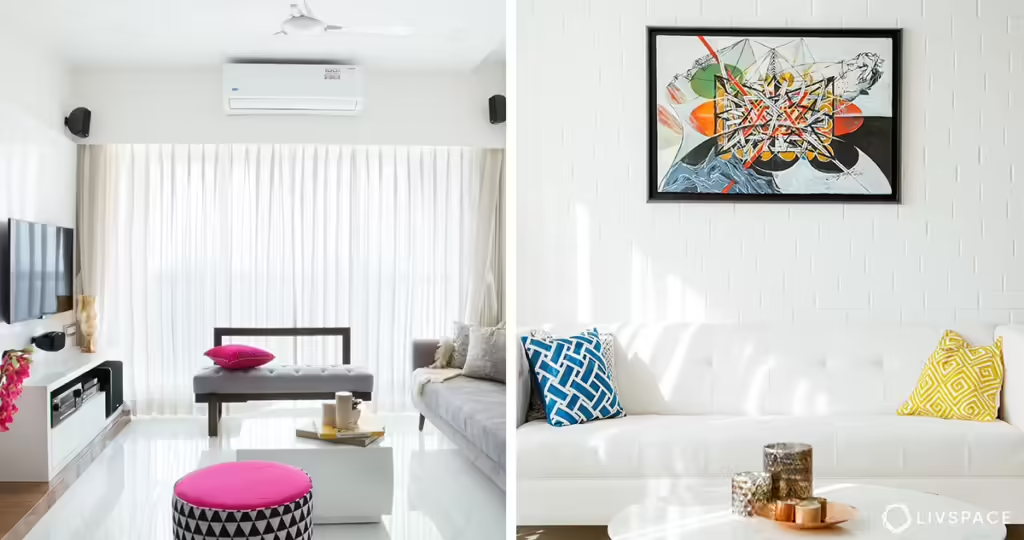
“The too much spoils” is a well-known saying that perfectly encapsulates the benefits of balance and moderation over excess and extravagance. This principle applies to many aspects of life, from good cooking to fashion, smartphones, internet navigation, and even physical activities.
As we reflect on these various areas, we realize that the key to success lies in striking a balance between enjoyment and restraint. Eating is one of life’s greatest pleasures, but overindulging can lead to digestive issues or weight problems. Spending money on clothing can be enjoyable, but overspending can result in unnecessary purchases of items you truly don’t need.
Even our beloved smartphones, internet navigation, and social media can become counterproductive if we overuse them. Similarly, physical activities, which I’m a huge supporter of, can also become detrimental if taken to extremes, especially considering one’s age.
The same principle applies to home decor. Over-accumulating furniture, artwork, colors, and other decorative elements can create an unharmonious atmosphere, making it difficult to relax and even unwelcoming to visitors. In this article, we’ll explore the principles for decorating your home in a minimalist style, emphasizing simplicity, clarity, and balance.
The Origins of Minimalism
British philosopher Richard Wollheim was the first to use the term “minimal” to describe an environment that is essential, characterized by few objects and ample space, with simple colors that are not too prominent.
To explain the philosophy behind minimalism, often referred to as the “less-is-more” principle, we look at how simplicity can lead to clarity and understanding. By stripping away unnecessary elements, we’re able to focus on what truly matters and appreciate its beauty in a more profound way.
The Benefits of Minimalism
Minimalism offers numerous benefits when applied to home decor. Some of the most significant advantages include:
- Reduced Stress: Clutter and excessive decoration can contribute to feelings of anxiety and stress. By removing unnecessary items, you’ll create a peaceful atmosphere that promotes relaxation.
- Increased Productivity: A minimalist space allows for better organization and functionality, making it easier to focus on the tasks at hand.
- Cost Savings: Minimalism encourages simplicity, which means reducing unnecessary expenses on decorative items, furniture, or other household goods.
- Improved Air Quality: Fewer decorative elements mean less dust accumulation, which can contribute to improved indoor air quality.
Minimal Furniture
Minimal furniture is characterized by clean lines, simplicity, and minimal curvature. An excellent example of this style is a simple desk from Maisons du Monde, such as the one featured in our article’s opening image: an essential line, clear colors, and a functional drawer.
Using solid materials with smooth surfaces and no voluminous structures is another hallmark of minimalist furniture. You can use wood, metal, or glass, always with the aim of conveying a sense of solidity and cleanliness.
Placing Furniture Strategically
In addition to the characteristics of minimal furniture, you need to pay close attention to the number of pieces in each room: avoid overcrowding spaces and leave enough space between objects for a more harmonious atmosphere. Leave spacious areas for easy movement, especially near entrance points in individual rooms.
Try to free up areas that are used frequently by leaving them empty or keeping only essential items stored in closed compartments.
Color Choices for Minimalism
Colors ideal for minimalist decor ensure luminosity and cleanliness: light colors like white and gray, as well as shades with natural tones such as beige or terracotta. Black can also be included in moderation to add contrast without diminishing the sense of brightness.
The goal is to strike a balance between decoration and minimalism, so avoid excessive use of any color that might overshadow the rest of your space.
Limiting Decorative Elements
Minimalist homes should have limited amounts of decorative elements, such as artwork, shelves, or other unnecessary items. Each room in every home should be empty or as much as possible to prevent clutter and maintain a sense of relaxation.
Removing these extra decorations allows for better breathing room and helps you enjoy your space more freely.
Lighting for Minimalism
Avoid the use of old-fashioned lamp shades that can create an obstructive ambiance, instead opting for LED lights that are adjustable in intensity (dimming). Proper lighting contributes to making spaces feel larger and less cramped.
By following these principles and tips, you can successfully decorate your home in a minimalist style. Remember, simplicity is the key to maintaining a harmonious atmosphere in your living space.
Creating a Minimalist Color Palette
A well-chosen color palette can help create a sense of calmness and serenity in your minimalist home. Here are some guidelines for creating a minimalistic color scheme:
- Monochromatic Colors: Using different shades of the same color creates a harmonious atmosphere.
- Complementary Colors: Pairing colors that are opposite each other on the color wheel can add visual interest without overwhelming the space.
- Neutral Colors: White, gray, beige, and black provide a clean and minimalist backdrop for decorative elements.
The Power of Texture
Texture plays an essential role in creating depth and visual interest in a minimalist home. Here are some tips for incorporating texture:
- Natural Textures: Incorporate natural materials like wood, stone, or plants to add warmth and coziness.
- Smooth Surfaces: Smooth surfaces can create a sense of calmness and serenity.
- Soft Furnishings: Adding soft furnishings like throw blankets, pillows, and rugs can introduce texture without overwhelming the space.
The Importance of Patterns
Patterns can add visual interest to your minimalist home, but it’s essential to use them sparingly. Here are some guidelines for incorporating patterns:
- Simple Patterns: Choose simple patterns like stripes or polka dots that don’t overwhelm the space.
- Monochromatic Patterns: Use patterns in a single color to create a cohesive look.
- Textile Patterns: Incorporate textile patterns like throw blankets, pillows, and rugs to add visual interest without overwhelming the space.
Creating a Minimalist Gallery Wall
A minimalist gallery wall can be an excellent way to showcase your favorite art pieces or family photos while maintaining a sense of simplicity. Here are some tips for creating a minimalistic gallery wall:
- Choose a Limited Number of Pieces: Select only a few pieces that resonate with you, and group them together to create a cohesive look.
- Vary Frame Styles: Mix frame styles to add visual interest without overwhelming the space.
- Leave Space Between Pieces: Leave enough space between each piece to create a sense of breathing room.
Minimalist Home Decor Inspiration
To inspire your minimalist home decor journey, here are some ideas and sources:
- IKEA: IKEA is known for its minimalistic design principles, offering affordable furniture with clean lines and simple shapes.
- Design Blogs: Websites like The Spruce, Apartment Therapy, and Young House Love offer excellent inspiration for creating a minimalist home decor.
- Instagram: Follow interior designers and influencers who specialize in minimalist home decor to stay up-to-date on the latest trends.
Minimalism for Small Spaces
Living in a small space requires careful consideration when it comes to minimalism. Here are some tips for applying minimalism principles in small spaces:
- Use Multi-Functional Furniture: Choose furniture that serves multiple purposes, like a storage ottoman or a desk with built-in shelves.
- Opt for Compact Decorative Elements: Select compact decorative elements like vases, sculptures, and candles to add visual interest without overwhelming the space.
- Utilize Vertical Space: Make the most of your ceiling height by using floor-to-ceiling curtains, shelves, or storage units.
Minimalism in Outdoor Spaces
Applying minimalistic principles to outdoor spaces can create a serene and peaceful atmosphere that’s perfect for relaxation. Here are some tips:
- Use Simple Outdoor Furniture: Choose furniture with clean lines and simple shapes to create a minimalist look.
- Incorporate Natural Elements: Incorporate natural elements like plants, stones, or wood to add warmth and coziness.
- Utilize Lighting: Use lighting strategically to highlight your outdoor space’s best features.
Conclusion
Minimalism is a lifestyle that encourages simplicity, clarity, and balance in all aspects of life, including home decor. By applying minimalistic principles to your home decor, you’ll create a peaceful and relaxing atmosphere that promotes well-being and happiness. Remember, the key to successful minimalist home decor lies in striking a balance between simplicity and elegance.


