
As a busy homeowner, you’re always on the lookout for ways to save time and money. One effective way to do this is by freezing food. Not only does it help reduce waste, but it also ensures that your favorite ingredients are always available when you need them. However, proper freezing techniques are crucial to avoid contamination from bacteria and maintain the quality of your food.
In this article, we’ll explore the basics of freezing food, covering topics such as choosing the right containers, freezing methods for different types of food, and safety guidelines. Whether you’re a seasoned pro or a beginner, you’ll find valuable tips and tricks to help you master the art of freezing food.
Choosing the Right Containers
When it comes to freezing food, the type of container you use is just as important as the food itself. You want to ensure that your ingredients are protected from moisture, air, and other contaminants that can cause spoilage.
- Avoid using glass containers or terracotta pots, as they can crack or shatter in cold temperatures.
- Opt for airtight, freezer-safe containers made of plastic or stainless steel instead. These materials will help prevent moisture and air from entering the container.
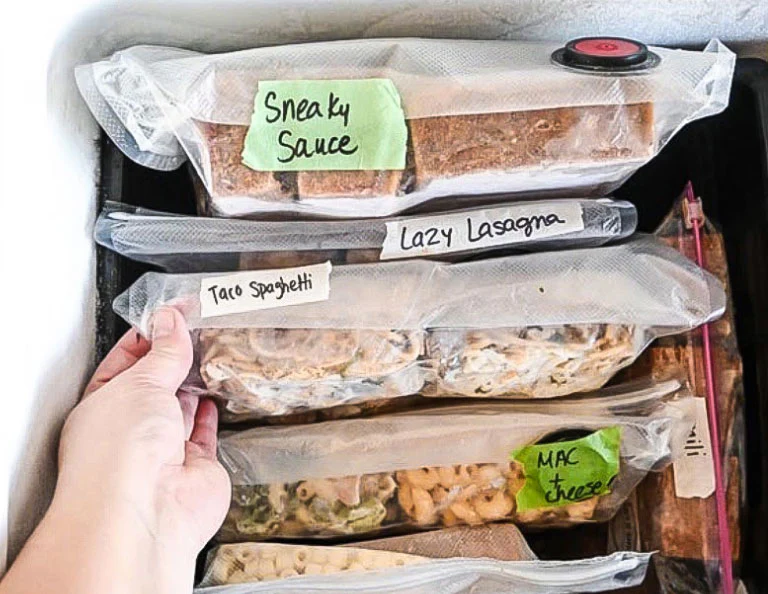
- Consider investing in vacuum-sealable bags or containers to remove as much air as possible from the container.
- Make sure your containers are labeled with the date and contents to ensure you can easily identify what’s inside.
Freezing Methods: A Guide
Different types of food require specific freezing techniques to preserve their quality and safety. Here’s a breakdown of how to freeze various ingredients:
- Meat and Poultry: Divide meat into portions, making sure each piece is sealed in an airtight container or freezer bag. Label the containers with the date and contents.
- Fish and Seafood: Freeze fish within 24 hours of purchase, while seafood should be frozen as soon as possible after purchase. Remove any scales, gills, or heads before freezing to prevent spoilage.
- Vegetables: Blanch vegetables in boiling water for 2-3 minutes to inactivate enzymes that cause spoilage. Then, package them in airtight containers or freezer bags, removing as much air as possible to prevent moisture buildup.
The Science Behind Freezing
When you freeze food, the water molecules inside the food form ice crystals. As these ice crystals grow, they disrupt the cell walls of the food, causing it to become frozen and rigid. This process is called “freezing point depression,” which affects the texture and flavor of the final product.
Understanding Freezer Burn
Freezer burn occurs when moisture in the air seeps into the container or bag containing your frozen food, causing dehydration and discoloration. To prevent freezer burn:
- Store frozen foods in airtight containers or bags.
- Keep your freezer at 0°F (-18°C) or below.
- Avoid overloading your freezer, as this can lead to uneven temperature distribution.
Tips and Tricks for Success
Here are some additional tips to help you master the art of freezing food:
- Freeze in Small Portions: Divide large quantities into smaller portions to make them easier to store and use.
- Label Containers: Use a marker to label containers with the date, contents, and any relevant cooking instructions.
- Keep it Clean: Always wash your hands before handling frozen foods, and ensure that your freezer is clean and dry.
Frequently Asked Questions
Here are some answers to common questions about freezing food:
- Can I freeze cooked meals?
- No, cooked meals should not be frozen, as they can become overcooked or develop off-flavors.
- How long does it take for frozen food to thaw?
- Thawing times vary depending on the type of food and the method used (e.g., refrigerator or microwave).
- Can I freeze vegetables that are high in water content?
- Yes, but blanching them in boiling water before freezing helps reduce moisture loss.
- How do I store frozen meat to prevent freezer burn?
- Store frozen meat in airtight containers or freezer bags, making sure they’re not touching other foods.
By following these guidelines and tips, you’ll be well on your way to mastering the art of freezing food. Whether you’re looking to reduce waste, save time, or simply enjoy the convenience of having fresh ingredients at your fingertips, freezing food is an essential skill to learn.
Additional Considerations
Before diving into the world of freezing food, consider the following additional factors:
- Freezer Organization: Invest in a freezer organization system to maximize storage space and keep your frozen foods easily accessible.
- Labeling Systems: Develop a labeling system that includes relevant information such as date, contents, and cooking instructions.
- Frozen Food Storage: Store your frozen foods in a consistent temperature environment to ensure optimal quality.
By understanding these additional considerations, you can create a seamless freezing process that makes it easy to access the ingredients you need when they’re needed most.
Conclusion
Freezing food is an essential skill for any homeowner looking to reduce waste and save time. By choosing the right containers, understanding freezing methods, and following safety guidelines, you can ensure that your frozen foods remain fresh and safe to eat. Whether you’re a seasoned pro or a beginner, mastering the art of freezing food will open up new possibilities for meal planning and cooking.
So next time you’re faced with a surplus of ingredients, consider freezing them instead of letting them go to waste. With these guidelines and tips in mind, you’ll be well on your way to becoming a master freezer, capable of creating delicious meals from the comfort of your own home.


