
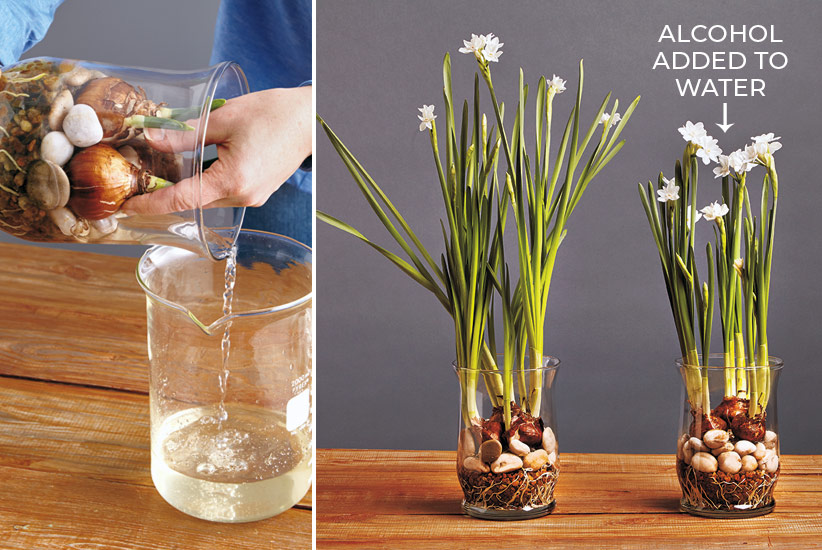
As the snowflakes start to fall, many of us can’t help but wonder when our favorite bulbs will start blooming. But what if you could bring them out of hibernation earlier? Forcing bulbs is a simple yet effective way to get your flowers blooming in advance, and with this guide, you’ll be enjoying a colorful bouquet before you know it!
Which Bulbs are Best for Forcing
Not all bulbs are created equal when it comes to forcing. Some varieties are better suited for early bloom than others. The most popular bulbs for forcing include daffodils, hyacinths, tulips, and crocuses. Daffodils and hyacinths are particularly well-suited for indoor forcing, while tulips and crocuses do best when forced outdoors.
Daffodils are a great choice for forcing because they produce beautiful, trumpet-shaped flowers that can be enjoyed indoors or outdoors. Hyacinths, on the other hand, have a sweet fragrance and vibrant colors that make them a popular choice for forcing. Tulips and crocuses are also well-suited for forcing, as they produce a wide range of colors and bloom times.
Understanding the Forcing Process
Forcing bulbs is a simple process that involves simulating the natural conditions that trigger bloom time. By exposing your bulbs to cold temperatures and then moving them indoors, you can trick them into blooming earlier than they would naturally. This process typically takes 6-8 weeks, depending on the type of bulb.
The forcing process typically involves three stages:
- Cold storage: The first stage is to store the bulbs in a cool, dark place at around 40-50°F (4-10°C) for 4-6 weeks. This allows the bulb to break dormancy and begin producing growth.
- Indoor conditions: After the cold storage period, move the bulbs indoors to a bright, sunny location with temperatures between 55-65°F (13-18°C). This simulates the natural light that the bulb would receive outdoors during the growing season.
- Blooming: Once the bulb has produced new growth, it will begin to bloom. This can take anywhere from 1-6 weeks, depending on the type of bulb and the conditions.
The Two Techniques: Water Forcing and Dry Forcing
There are two main techniques for forcing bulbs: water forcing and dry forcing. Both methods have their advantages, so let’s take a closer look at each technique.
Water Forcing
Water forcing is the most popular method for forcing tulips and other bulbs that produce flowers above ground. To use this method, you’ll need to:
- Place your bulbs in a container filled with water
- Store them in a cool, dark place (around 40-50°F) for 4-6 weeks
- After 4-6 weeks, transfer the bulbs to a pot filled with well-draining soil and move them to a sunny location
Water forcing is particularly effective for tulips and other bulbs that produce large, showy flowers. The water helps to stimulate growth and promote blooming, resulting in beautiful, vibrant colors.
Dry Forcing
Dry forcing is a simple method that involves storing your bulbs in a cool, dark place without water. To use this method, you’ll need to:
- Place your bulbs in a breathable container (such as a paper bag or a mesh bag)
- Store them in a cool, dark place (around 40-50°F) for 4-6 weeks
- After 4-6 weeks, transfer the bulbs to a pot filled with well-draining soil and move them to a sunny location
Dry forcing is particularly effective for bulbs that produce smaller flowers or require more precise control over growing conditions. This method allows you to monitor the bulb’s progress closely without the risk of waterlogging.
Tips and Tricks
Here are some additional tips to help you succeed with forcing bulbs:
- Choose fresh bulbs for the best results
- Make sure your container has good drainage holes to prevent waterlogged soil
- Keep the soil consistently moist during the forcing period, but not waterlogged
- Avoid exposing your bulbs to direct sunlight or heat sources during the forcing period
Common Questions
Q: What are the benefits of forcing bulbs?
A: Forcing bulbs allows you to enjoy a head start on the growing season, even in cold climates. It’s also a fun and rewarding way to coax your flowers into bloom.
Q: How long does it take for bulbs to force?
A: The forcing process typically takes 6-8 weeks, depending on the type of bulb.
Q: Can I use forcing techniques with all types of bulbs?
A: While many bulbs can be forced, some varieties are better suited for this method than others. Daffodils and hyacinths do particularly well when forced indoors.
Q: What should I do after my bulbs have finished blooming?
A: After your bulbs have finished blooming, you’ll need to dry them out completely before storing them in a cool, dark place until next year’s forcing period.
Q: How often can I force bulbs?
A: You can force bulbs every 2-3 years, as this allows the bulb to fully recover and recharge for the next growing season.
Conclusion
Forcing bulbs is a simple yet effective way to get your flowers blooming in advance. By understanding the different techniques and tips for forcing bulbs, you’ll be able to enjoy a colorful bouquet all year round. Remember to choose fresh bulbs, follow proper care instructions, and inspect your plants regularly to ensure a successful forcing experience.
Frequently Asked Questions
- Q: Can I force bulbs outdoors during the winter months?
A: While some bulbs can be forced outdoors during the winter months, others are better suited for indoor forcing. - Q: How long does it take for bulbs to recover after being forced?
A: Bulbs typically take 2-3 years to fully recover and recharge after being forced. - Q: Can I force bulbs in pots or in the ground?
A: Both methods can be used, but potted forcing is generally easier to control and more flexible. - Q: How often should I divide my bulbs after forcing?
A: It’s recommended to divide your bulbs every 2-3 years to maintain their health and vigor. - Q: Can I force bulbs in a greenhouse or indoor growing space?
A: Yes, but make sure the temperature and humidity levels are suitable for the specific bulb variety.
Advanced Techniques
For those looking to take their forcing skills to the next level, here are some advanced techniques to try:
- Forcing multiple bulbs together: By placing multiple bulbs in a single container, you can create a vibrant display of flowers.
- Using different potting mixes: Experiment with different potting mixes to find the one that works best for your bulbs.
- Adding fertilizers and nutrients: Provide your bulbs with the necessary nutrients to promote healthy growth and blooming.
- Creating a forcing schedule: Plan ahead by creating a scheduling system to ensure you’re ready when your bulbs are due to bloom.
Troubleshooting
Don’t be discouraged if things don’t go as planned. Here are some common troubleshooting tips:
- Check for pests: Inspect your bulbs regularly for signs of pests, such as aphids or spider mites.
- Adjust the lighting: If your bulb is not blooming, try adjusting the lighting to provide more or less light.
- Maintain consistent temperatures: Make sure the temperature remains consistent during the forcing period.
- Avoid overwatering: Be careful not to overwater your bulbs, as this can lead to rot and other problems.
Conclusion
Forcing bulbs is a fun and rewarding way to get your flowers blooming in advance. By understanding the different techniques and tips for forcing bulbs, you’ll be able to enjoy a colorful bouquet all year round. Remember to choose fresh bulbs, follow proper care instructions, and inspect your plants regularly to ensure a successful forcing experience.
References
- “The Bulb Book” by David C. Kelley: A comprehensive guide to bulb growing and forcing.
- “Forcing Bulbs” by the Royal Horticultural Society: Tips and advice for forcing bulbs, including water forcing and dry forcing.
- “Bulb Growing 101” by Gardening Know How: A beginner’s guide to bulb growing and forcing.
Glossary
- Bulb: A type of underground stem that produces flowers or foliage.
- Forcing: The process of simulating natural conditions to trigger bloom time in bulbs.
- Water forcing: A technique for forcing bulbs using water rather than a potting mix.
- Dry forcing: A technique for forcing bulbs without the use of water.
By following these tips and techniques, you’ll be well on your way to becoming a master bulb forcer. Happy growing!


