
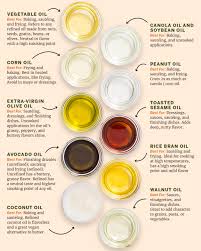
Aromatized olive oil is a high-quality oil infused with various aromatic substances. The process of aromatizing olive oil is not complicated, and we’ll guide you through it step by step.
Understanding the Types of Aromatic Oils
In general, oils infused with garlic, basil, or majorana are used to season vegetables; those prepared with thyme, rosemary, sage, or bay leaves are used to flavor meats; and those made with fennel are ideal for seasoning fish. The pepper-infused oil is also great with grilling, pasta, and various legumes.
For example, if you’re looking to add a Mediterranean twist to your dishes, consider making an aromatized olive oil infused with herbs like oregano and thyme. This combination of flavors pairs perfectly with grilled meats, vegetables, and pasta. On the other hand, if you prefer a more robust flavor, try infusing your olive oil with garlic and black pepper.
What You’ll Need to Aromatize Olive Oil
- High-quality extra virgin olive oil
- Sterilized glass bottles with tight-fitting lids
- Adhesive labels for labeling ingredients and preparation date
- Spices and aromas
In addition to the necessary materials, it’s essential to choose high-quality ingredients that will enhance the flavor of your infused oils. Here are some tips for selecting the right herbs and spices:
- Choose fresh, fragrant herbs with no signs of wilting or browning.
- Select herbs and spices that complement each other in terms of flavor profile and aroma.
- Consider using a variety of herbs and spices to create unique and complex flavor profiles.
Step-by-Step Guide to Aromatizing Olive Oil
Choosing the Right Ingredients
To ensure a smooth and safe process, choose dried herbs or spices. This prevents the risk of Botulism, a bacterial growth in food containers.
When selecting herbs and spices for your aromatized olive oil, remember that quality is key. Choose fresh, fragrant ingredients that complement each other in terms of flavor profile and aroma.
Using Fresh Herbs vs. Dried Ones
While it’s tempting to use fresh herbs in your aromatizing process, it’s essential to note that using fresh herbs can lead to bacterial growth and contamination. To avoid this risk, choose dried herbs or spices instead.
If you do decide to use fresh herbs, be sure to follow proper food safety guidelines to minimize the risk of contamination. This may include washing the herbs thoroughly before chopping them, using clean utensils and equipment, and storing the chopped herbs in a sealed container at room temperature.
Checking for Mould
If you notice any white mould on the labels or inside the bottles, discard them immediately.
Regularly inspecting your infused oils for signs of spoilage is crucial to maintaining food safety. Check for any visible mold, sliminess, or off odors that could indicate contamination. If you notice any issues, discard the oil immediately and start fresh with a new batch.
Preparing the Bottles
- Wash the glass bottles thoroughly and sterilize them by submerging them in boiling water for at least 20 minutes
- Dry the bottles completely and let them air dry for a few hours before proceeding
- Clean and dry the herbs or spices to prevent any contamination
When preparing your infused oil bottles, make sure to follow proper sanitation procedures. This includes washing the glass bottles thoroughly, sterilizing them in boiling water, and drying them completely before filling with the herb-infused oil.
Filling and Infusing the Bottles
- Place a layer of herbs or spices in each bottle, followed by a drizzle of olive oil
- Gently shake the bottles to ensure the aromas distribute evenly
- Close the lids tightly and store them upright in a pot of boiling water for about 30 minutes
After filling your infused oil bottles, it’s essential to allow the flavors to infuse properly. This can take anywhere from 20-30 days, depending on the type of herbs and spices used.
Tips and Tricks
- Use basil alone for best results
- Combine rosemary, sage, and bay leaves for a unique flavor profile
- Pair garlic and pepper-infused oil for an added kick
- Keep your aromatized olive oils refrigerated or stored in a cool, dry place to prolong their shelf life
By following these tips and using high-quality ingredients, you can create delicious and aromatic infused oils that will elevate your cooking and add a new dimension of flavor to your dishes.
Storage and Shelf Life
Store the infused oils in a cool, dry place for 20-30 days before consuming.
It’s essential to store your aromatized olive oils properly to maintain their flavor and aroma. Keep them away from direct sunlight, heat sources, and moisture. Refrigerating or storing them in a cool, dry place can help prolong their shelf life.
Common Mistakes to Avoid
- Not allowing the flavors to infuse for an extended period
- Using low-quality ingredients that may not complement each other well
- Not properly sanitizing equipment and utensils
- Overcrowding the bottles with too many herbs or spices
By avoiding these common mistakes, you can ensure a successful aromatization process and create delicious infused oils that will elevate your cooking.
Frequently Asked Questions
Q: How long does it take for the aromas to infuse into the oil?
A: The infusion process typically takes at least 20-30 days, but the longer you leave it, the more intense the flavors will be.
Q: Can I use fresh herbs or spices instead of dried ones?
A: It’s not recommended, as using fresh ingredients can lead to bacterial growth and contamination.
Q: How do I store my aromatized olive oils to keep them fresh?
A: Store your infused oils in a cool, dry place, such as the refrigerator or a designated storage area, to prolong their shelf life.
Q: Can I use aromatized olive oil for cooking right away?
A: It’s best to wait at least 20-30 days before consuming the oil, allowing the flavors to mature and develop.
Q: How do I clean up any leftover oils or herbs?
A: Dispose of any leftover oils and herbs responsibly, following proper food safety guidelines.
By answering these frequently asked questions, you can ensure a smooth and safe aromatization process and create delicious infused oils that will elevate your cooking.
Conclusion
Making aromatized olive oil is a fun and rewarding process that allows you to experiment with various flavors and ingredients. By following the step-by-step guide outlined in this article, you can create delicious infused oils that will elevate your cooking and add a new dimension of flavor to your dishes.
Remember to choose high-quality ingredients, follow proper sanitation procedures, and store your aromatized olive oils properly to maintain their flavor and aroma. With practice and patience, you’ll be able to create unique and complex flavors that will impress even the most discerning palates.


