
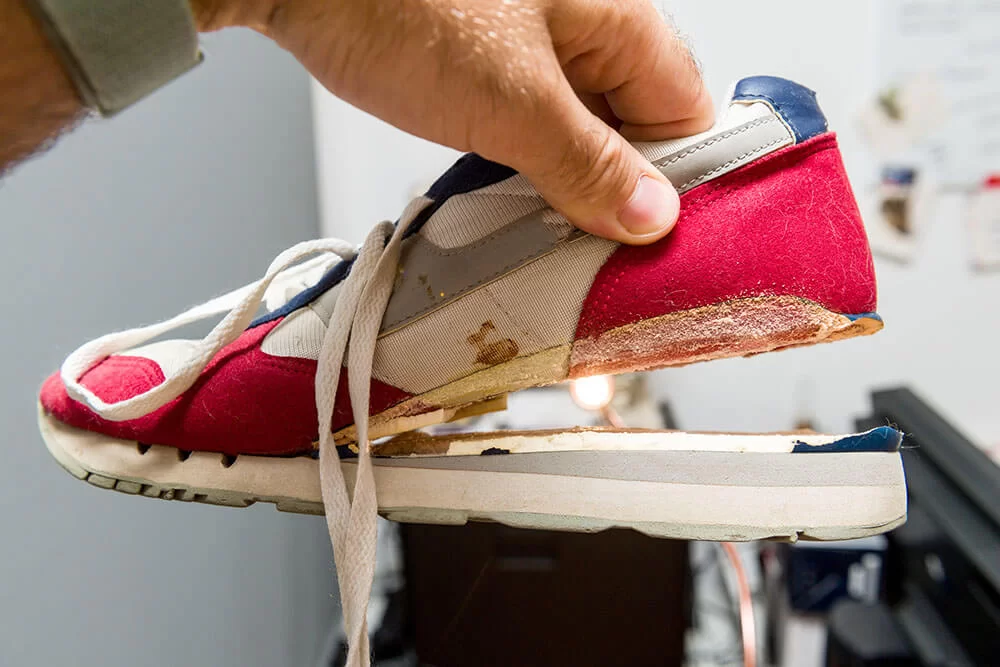
As a society, we’ve come to realize the importance of reducing waste and living sustainably. One way to achieve this is by giving old shoes a new lease on life through repair. Instead of discarding them, take your worn-out shoes to a cobbler or try fixing them yourself with a few simple tools and techniques.
The Benefits of Repairing Your Shoes
Not only does repairing your shoes save you money, but it also reduces the amount of waste sent to landfills. Plus, a well-repaired shoe can last for years, reducing the need for frequent replacements. So, why not give your old shoes a second chance?
There are several benefits to repairing your shoes:
- Reduced waste: Repairing your shoes instead of buying new ones reduces the amount of waste sent to landfills.
- Cost-effective: Repairing your shoes can save you money compared to buying new pairs, especially for high-quality or specialty shoes.
- Environmental benefits: By extending the life of your shoes, you’re reducing the demand for new materials and production processes that contribute to environmental degradation.
- Increased durability: Well-repaired shoes can last longer and withstand wear and tear better than poorly maintained ones.
When to Take Your Shoes to a Cobbler
While some repairs can be done at home, there are certain situations where it’s best to take your shoes to a professional cobbler. For example:
- Complex repairs: If your shoe has a broken sole, uneven heel, or other significant damage, it’s best to leave it to the experts.
- Lack of experience: If you’re not comfortable with DIY repairs or don’t have the necessary skills, a cobbler can provide you with high-quality results.
- High-end or specialty shoes: Certain types of shoes, such as designer heels or bespoke oxfords, may require specialized knowledge and techniques that only a professional cobbler possesses.
Fixing Broken Soles: A Simple Guide
If your shoe has a broken sole, there are a few simple steps you can take to fix it:
- Identify the type of break: Determine if the sole is cracked, broken, or detached from the rest of the shoe.
- Clean and prepare the area: Use a soft brush or cloth to remove any dirt or debris from the affected area.
- Apply adhesive: Use a bostick-style adhesive specifically designed for leather or suede materials.
- Press the sole onto the shoe: Use a weight or heavy object to press the sole onto the shoe, ensuring even pressure and proper alignment.
- Allow it to dry: Let the adhesive dry completely before wearing your shoes.
Adding New Life to Old Shoes
If your shoe is no longer wearable, but you still love the style, consider giving it a new life by:
- Adding decorative elements: Use nail polish, stickers, or other embellishments to give your shoe a fresh look.
- Replacing the sole: Use a new sole or repair the existing one with adhesive and a weight.
- Repainting or refinishing: Give your shoe a new coat of paint or refinish it with a matching color.
Tips for Repairing Your Own Shoes
While repairing your own shoes can be challenging, with the right tools and techniques, you can achieve professional-looking results:
- Use the right materials: Choose high-quality adhesives and materials that match the original specifications of your shoe.
- Follow instructions carefully: Read the manual or online tutorials before attempting any repairs to ensure you’re using the correct methods.
- Practice makes perfect: Don’t be discouraged if your first attempts at repairing your shoes don’t turn out perfectly. With practice, you’ll develop the skills and confidence to tackle even more complex repairs.
Common Mistakes to Avoid
When it comes to repairing your own shoes, there are a few common mistakes to avoid:
- Using the wrong adhesive: Make sure to use an adhesive that’s specifically designed for the material of your shoe.
- Applying too much pressure: This can cause damage to the surrounding areas or create uneven surfaces.
- Not allowing it to dry: Failing to let the adhesive dry completely can result in a weak bond and premature failure.
Conclusion
Repairing your shoes is not only good for the environment, but it’s also cost-effective and can give you a sense of pride and accomplishment. With the right tools, techniques, and materials, you can achieve professional-looking results that will keep your shoes looking great for years to come.
By giving old shoes a new lease on life through repair, we can reduce waste, save money, and contribute to a more sustainable future. So, next time you’re thinking of replacing an old pair of shoes, consider repairing them instead – your wallet, the environment, and your sense of style will thank you!


