
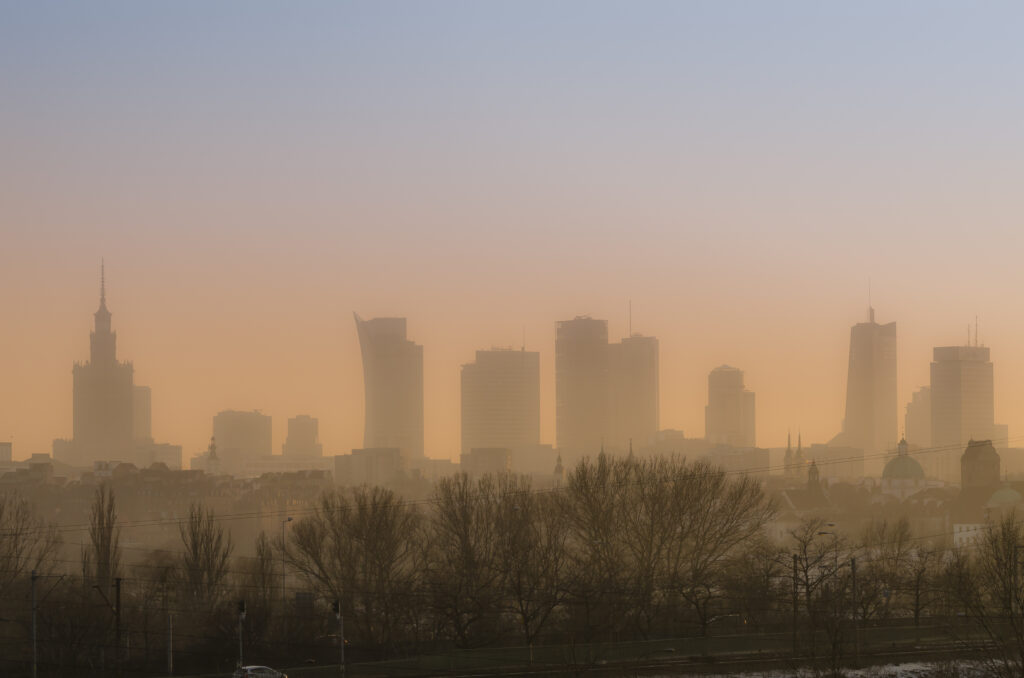
Understanding Air Pollution
Air pollution is a complex issue that affects not only our health but also the environment. It is a mixture of substances, including particulate matter, smoke, and aerosols, that can be harmful to humans and other living organisms. In this article, we will explore the causes, effects, and solutions to combat air pollution.
What is Air Pollution?
Air pollution is composed of various substances, including:
- Particulate matter (PM): tiny particles that can penetrate deep into the lungs
- Smoke: emitted from industrial processes, vehicles, and biomass burning
- Aerosols: small droplets that can contain pollutants like heavy metals, pesticides, or volatile organic compounds
The Impact of Air Pollution
Air pollution has severe consequences on human health and the environment. Some of the most significant effects include:
- Respiratory problems: PM2.5 particles can cause inflammation in the lungs, exacerbating conditions like asthma and chronic obstructive pulmonary disease (COPD)
- Cardiovascular disease: exposure to air pollutants can increase the risk of heart attacks, strokes, and other cardiovascular events
- Cancer: long-term exposure to certain air pollutants has been linked to an increased risk of lung cancer and other types of cancer
- Environmental damage: air pollution can harm plants, animals, and ecosystems, leading to deforestation, soil degradation, and climate change
Air Pollution in Italy
Italy is not immune to the problem of air pollution. In fact, many Italian cities exceed the limits set by law for particulate matter (PM10). According to data from Legambiente, some of the most polluted cities in Italy are:
- Torino
- Frosinone
- Milano
- Venezia
- Padova
- Treviso
Solutions to Combat Air Pollution
While air pollution is a complex issue, there are several steps that can be taken to reduce its impact. Some of the most effective solutions include:
1. Promote Walking and Cycling
Encouraging walking and cycling can significantly reduce air pollution in urban areas. By creating dedicated bike lanes and pedestrianized streets, cities can promote sustainable transportation options.
Example: The city of Copenhagen has implemented a network of bike lanes and superhighways that make it easy for cyclists to navigate the city.
2. Develop Efficient Public Transportation
Improving public transportation systems can help reduce air pollution by increasing the use of clean buses and trains. By investing in efficient public transportation, cities can reduce the number of private vehicles on the road.
Example: The city of Barcelona has implemented a comprehensive public transportation system that includes buses, trams, and subways, making it easy for residents to get around without a car.
3. Incentivize Low-Emission Vehicles
Governments can incentivize the adoption of low-emission vehicles by offering tax breaks or subsidies for electric or hybrid cars.
Example: The city of Tokyo has implemented a congestion pricing system that charges drivers a fee to enter certain areas, encouraging them to use alternative modes of transportation.
4. Improve Building Energy Efficiency
Building energy efficiency can help reduce air pollution by reducing the amount of energy needed to power homes and businesses.
Example: The city of Vancouver has implemented a building code that requires new buildings to meet strict energy efficiency standards, reducing greenhouse gas emissions and air pollution.
5. Implement Road Pricing and Congestion Charges
Implementing road pricing and congestion charges can help reduce air pollution by discouraging drivers from using their vehicles in congested areas.
Example: The city of Stockholm has implemented a congestion charge that charges drivers a fee to enter certain areas, reducing traffic congestion and air pollution.
6. Encourage Sustainable Land Use
Encouraging sustainable land use practices can help reduce air pollution by promoting the growth of green spaces and reducing the amount of impervious surfaces.
Example: The city of Chicago has implemented a comprehensive park system that includes green roofs, gardens, and other urban parks, helping to reduce air pollution and improve public health.
7. Promote Waste Reduction and Recycling
Promoting waste reduction and recycling can help reduce air pollution by reducing the amount of waste sent to landfills and incinerators.
Example: The city of San Francisco has implemented a comprehensive waste management system that includes curbside recycling, composting, and other initiatives to reduce waste and promote sustainability.
8. Support Clean Energy Initiatives
Supporting clean energy initiatives can help reduce air pollution by promoting the use of renewable energy sources like solar and wind power.
Example: The city of Copenhagen has implemented a comprehensive plan to transition to 100% renewable energy, reducing greenhouse gas emissions and air pollution.
By implementing these solutions, cities can significantly reduce air pollution and improve public health. As individuals, we can also make a difference by:
- Using public transportation or walking/biking whenever possible
- Carpooling or using ride-sharing services
- Reducing energy consumption in our homes and workplaces
- Supporting clean energy initiatives and policies
Together, we can combat air pollution and create healthier, more sustainable communities for everyone.
Individual Actions to Combat Air Pollution
There are many individual actions that can be taken to reduce air pollution:
1. Reduce Energy Consumption
Reducing energy consumption in our homes and workplaces can help reduce air pollution by reducing the amount of greenhouse gas emissions produced during the generation, transmission, and distribution of electricity.
Example: Using energy-efficient light bulbs and turning off lights when not in use can make a big difference.
2. Use Renewable Energy Sources
Using renewable energy sources like solar and wind power can help reduce air pollution by generating clean energy for our homes and businesses.
Example: Installing solar panels on your roof or investing in a community solar program can help reduce your reliance on fossil fuels.
3. Reduce, Reuse, Recycle
Reducing, reusing, and recycling waste can help reduce air pollution by reducing the amount of waste sent to landfills and incinerators.
Example: Using reusable bags, containers, and water bottles can help reduce single-use plastics and minimize waste.
4. Support Clean Energy Initiatives
Supporting clean energy initiatives and policies can help reduce air pollution by promoting the use of renewable energy sources like solar and wind power.
Example: Joining a community solar program or investing in a local wind farm can help support the development of clean energy projects.
5. Educate Yourself and Others
Educating yourself and others about air pollution and its effects can help raise awareness and promote action to combat air pollution.
Example: Participating in environmental events, joining advocacy groups, and sharing information on social media can help spread the word about the importance of reducing air pollution.
By taking these individual actions, we can make a difference and contribute to a cleaner, healthier environment for ourselves and future generations.
Conclusion
Air pollution is a complex issue that affects not only our health but also the environment. However, by working together, we can combat air pollution and create healthier, more sustainable communities for everyone. By understanding the causes and effects of air pollution, promoting walking and cycling, developing efficient public transportation, incentivizing low-emission vehicles, improving building energy efficiency, implementing road pricing and congestion charges, encouraging sustainable land use, promoting waste reduction and recycling, and supporting clean energy initiatives, we can reduce air pollution and improve public health. Additionally, individual actions such as reducing energy consumption, using renewable energy sources, reducing, reusing, and recycling, supporting clean energy initiatives, and educating yourself and others can also make a difference. Together, we can create a cleaner, healthier environment for ourselves and future generations.


