
As a homeowner, you’re not alone in dealing with the frustration of mould growth. This unwanted fungus can quickly take hold and make your home feel damp and uncomfortable. But there’s good news – with some simple prevention strategies and natural remedies, you can keep mould at bay and enjoy a healthier living space.
Understanding Mould
Before we dive into the solutions, let’s understand what mould is and how it grows. Mould thrives in damp environments, feeding on organic materials like wood, drywall, and fabric. It releases spores into the air, which can cause allergic reactions and respiratory issues.
Mould growth occurs when there’s a combination of moisture, warmth, and a nutrient-rich environment. This can happen in various parts of your home, including bathrooms, kitchens, basements, and attics. Mould can also spread through direct contact with contaminated materials or airborne spores.
Prevention: The Key to a Mould-Free Home
While it’s impossible to eliminate mould completely, you can prevent its growth with some easy habits:
- Dry surfaces quickly: After showers or baths, dry the bathroom floor and walls thoroughly. This will help reduce the risk of water seeping into the walls and creating an ideal environment for mould growth.
- Improve ventilation: Regularly open windows to let in fresh air and speed up evaporation. You can also consider installing a whole-house fan or using a dehumidifier to remove excess moisture from the air.
- Reduce humidity: Use a dehumidifier, especially in areas prone to moisture like basements or crawlspaces. Aim for an indoor relative humidity of 30-50%.
- Fix leaks promptly: If you notice any water damage or leaks, address them immediately. Dry the area thoroughly and consider hiring a professional to assess and repair any underlying issues.
- Regularly inspect your home: Check for signs of mould growth, such as visible patches or musty odours. Address any concerns promptly to prevent further growth.
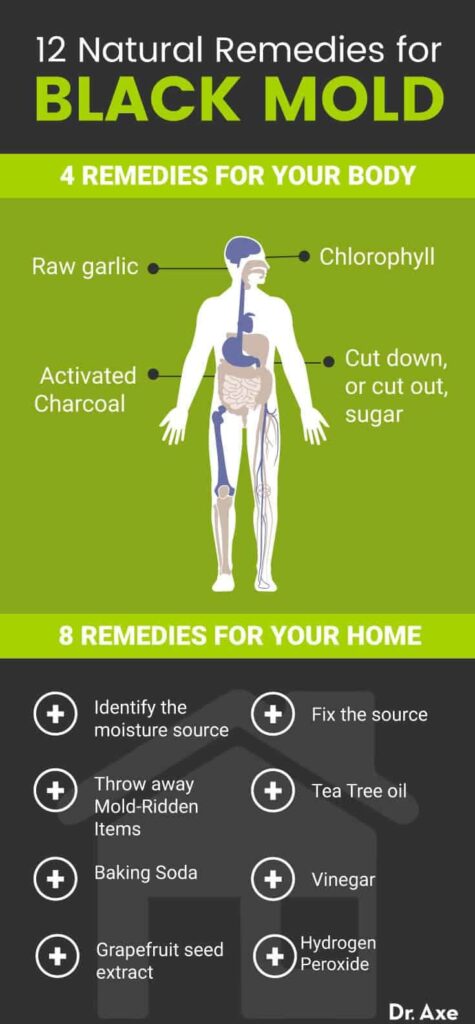
Natural Remedies for Mould Removal
When mould does grow, act fast with these natural remedies:
No Organic Materials
- Acetone-based cleaning solution: Mix equal parts water and acetone (12-vol) to create a powerful cleaning solution.
- Detergent and rinse: Use the solution to clean and rinse surfaces.
- Baking soda: Apply baking soda paste to affected areas and let it sit for 30 minutes before rinsing.
- Hydrogen peroxide: Mix equal parts hydrogen peroxide (3%) and water, and apply the solution to affected areas.
No Moisture
- Dry areas thoroughly: Use fans or a dehumidifier to speed up evaporation.
- Remove standing water: Address any leaks or flooding promptly, and use a wet/dry vacuum to remove excess moisture.
- Use a dehumidifier: Consider investing in a whole-house dehumidifier for more effective control.
Natural Detergents for Mould Removal
For tougher mould stains, try these natural detergents:
- Limewater and salt: Mix equal parts limewater (1 cup) and salt (1 tablespoon) to create a paste.
- Baking soda and vinegar: Mix 1 part baking soda with 2 parts vinegar to create a paste.
Mould Removal from Surfaces
For surface mould removal, use these methods:
- Spray solution directly on the mould
- Let it sit for 10-15 minutes before rinsing
- Scrub the area with a non-abrasive brush
- Rinse thoroughly with clean water
Natural Disinfectants for Mould Removal
To keep mould at bay and prevent its return, try these natural disinfectants:
- Tea tree oil: Mix a few drops with water to create a solution.
- Hydrogen peroxide: Use 1 part hydrogen peroxide (3%) to 2 parts water.
Professional Help
If the mould growth is severe or widespread, consider hiring a professional to assess and treat the issue. They can:
- Identify the source of moisture: Determine where water is entering your home and address any underlying issues.
- Use specialized equipment: Employ industrial-strength cleaning solutions and equipment to remove mould effectively.
- Provide long-term prevention strategies: Offer advice on how to maintain a mould-free environment and prevent future growth.
Conclusion
Combatting mould in your home requires prevention, natural remedies, and some elbow grease. By understanding what causes mould growth, taking simple precautions, and trying these natural solutions, you can keep your home healthy, comfortable, and free from unwanted fungal friends.
Remember to always follow safety guidelines when dealing with mould, and consider hiring a professional if the issue is severe or widespread. With the right strategies and natural remedies, you can enjoy a mould-free living space that’s both healthy and beautiful.
Frequently Asked Questions (FAQs)
Q: How do I prevent mould growth?
A: Preventing mould growth involves drying surfaces quickly, improving ventilation, reducing humidity, and regular cleaning.
Q: What are the best natural remedies for mould removal?
A: Natural remedies include acetone-based cleaning solutions, limewater and salt, baking soda and vinegar, tea tree oil, and hydrogen peroxide.
Q: Can I use bleach to remove mould?
A: Bleach can be used to kill mould, but it’s not a recommended solution due to its harsh chemical properties and potential health risks.
Q: How often should I clean my home to prevent mould growth?
A: Regular cleaning, especially in areas prone to moisture, is essential for preventing mould growth. Clean surfaces regularly with natural detergents and disinfectants.
Q: Can I use a dehumidifier to prevent mould growth?
A: Yes, using a dehumidifier can help reduce humidity levels in your home, making it less conducive to mould growth.
Q: How do I get rid of mould on fabric?
A: To remove mould from fabric, apply a solution of equal parts water and white vinegar or limewater and salt. Let it sit for 10-15 minutes before washing.
Q: Can mould be prevented in bathrooms?
A: Yes, by regularly cleaning surfaces, improving ventilation, and reducing humidity, you can prevent mould growth in bathrooms.
Q: How long does it take to get rid of mould?
A: The time it takes to get rid of mould depends on the severity of the infestation. Professional assistance may be necessary for severe cases.
Q: Can I use a steam cleaner to remove mould?
A: While steam cleaners can help loosen and remove mould, they should not be used as the sole solution due to potential health risks and incomplete removal.


