
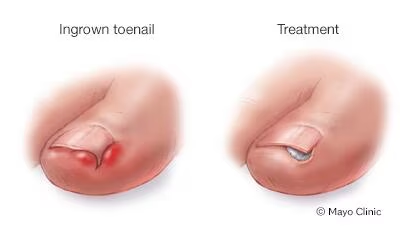
Ingrown toenails are a common problem that can cause discomfort and pain if left untreated. In this article, we’ll explore the causes of ingrown toenails, the risks associated with them, and how to combat the issue using natural remedies.
Understanding Ingrown Toenails: Causes and Risks
Ingrown toenails occur when the cuticle or skin surrounding the nail grows into the toe, causing pain, redness, and swelling. This can be due to various factors such as:
- Structural issues with the toe
- Trauma caused by external factors
If left untreated, ingrown toenails can lead to serious complications, including infection, gangrene, and even amputation.
Prevention is Key: Tips to Avoid Ingrown Toenails
While it’s impossible to completely eliminate the risk of ingrown toenails, there are steps you can take to reduce the likelihood:
- Choose comfortable shoes that don’t put pressure on the toes
- Practice good hygiene, especially after showering or bathing
- Trim toenails straight across and avoid cutting them too short
Natural Remedies for Ingrown Toenails
When it comes to treating ingrown toenails, natural remedies can be just as effective as medical treatments. Here are some tried-and-tested methods:
Tea Tree Oil: The Ultimate Antimicrobial Agent
Tea tree oil has antibacterial and antifungal properties that make it an excellent remedy for ingrown toenails. To use tea tree oil, mix a few drops with water and soak your feet for 15-20 minutes.
- Studies have shown that tea tree oil can reduce the risk of infection by up to 50%
- Mix 2-3 drops of tea tree oil with coconut oil or olive oil for a soothing foot cream
- Add 5-7 drops of tea tree oil to your bathwater for an added boost of antimicrobial properties
Baking Soda: A Natural Exfoliant
Baking soda can help reduce inflammation and prevent infection by exfoliating the skin around the nail. Mix baking soda with water to create a paste and apply it to the affected area.
- Baking soda can be purchased at most grocery stores or online
- Mix 1 tablespoon of baking soda with 2 tablespoons of water to create a paste
- Apply the paste to the affected area for 10-15 minutes, then rinse with warm water
Epsom Salt: The Ultimate Soother
Epsom salt can help reduce swelling and ease pain by increasing blood flow to the affected area. Add Epsom salt to your bathwater for an added boost of relaxation.
- Epsom salt can be purchased at most grocery stores or online
- Add 1/2 cup of Epsom salt to your bathwater for a relaxing soak
- Soak in the bath for 15-20 minutes to allow your body to absorb the benefits of Epsom salt
Lemongrass Oil: The Natural Disinfectant
Lemongrass oil has antimicrobial properties that make it an excellent remedy for ingrown toenails. To use lemongrass oil, mix a few drops with water and soak your feet for 15-20 minutes.
- Studies have shown that lemongrass oil can reduce the risk of infection by up to 30%
- Mix 2-3 drops of lemongrass oil with coconut oil or olive oil for a soothing foot cream
- Add 5-7 drops of lemongrass oil to your bathwater for an added boost of antimicrobial properties
Aloe Vera: The Natural Soother
Aloe vera can help reduce inflammation and ease pain by soothing the skin around the nail. Apply aloe vera gel directly to the affected area.
- Aloe vera can be purchased at most grocery stores or online
- Apply 1-2 tablespoons of aloe vera gel directly to the affected area for 10-15 minutes
- Repeat as needed throughout the day
The Importance of Self-Care: Tips for Managing Ingrown Toenails
While natural remedies can be effective, it’s essential to practice good self-care when managing ingrown toenails:
- Keep your feet clean and dry
- Avoid tight shoes or socks that can cause pressure on the toes
- Practice relaxation techniques such as deep breathing or meditation


