
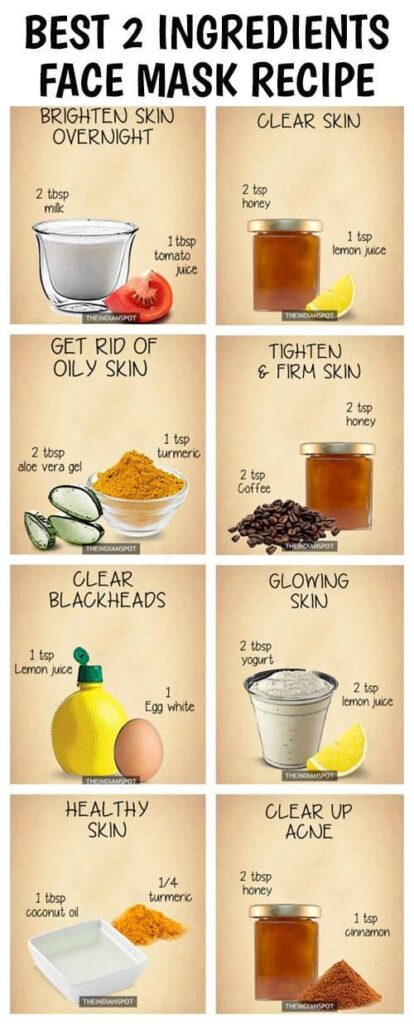
As someone with skin issues, you’re likely no stranger to the frustration of dealing with acne. But what if you could combat it using natural ingredients and homemade face masks? In this article, we’ll explore four effective DIY face masks that can help reduce acne and promote healthy, glowing skin.
Understanding Acne and Its Treatment
Acne occurs when the skin’s pores are clogged with excess oil, dead skin cells, and toxins. To combat acne, it’s essential to use specific products that purify and disinfect the skin. In this article, we’ll show you how to prepare four DIY face masks using natural ingredients that can help eliminate these impurities.
How to Use Your DIY Face Masks
Apply your homemade mask once a week, or more frequently if you have oily skin. Here’s a step-by-step guide to get you started:
- Exfoliate and apply the mask: Massage your skin with a gentle exfoliant like sugar or salt to remove dead skin cells. Then, apply the mask to your face, avoiding the delicate skin around your eyes.
- Wait for 20 minutes: Allow the mask to work its magic for 20 minutes before rinsing it off with warm water.
- Moisturize: Apply a hydrating cream or lotion after removing the mask to lock in moisture and soothe your skin.
DIY Face Mask 1: Aloe Vera and Lemon
This refreshing mask combines the soothing properties of aloe vera with the antibacterial powers of lemon juice. Simply mix equal parts aloe vera gel and lemon juice until you achieve the desired consistency for your mask.
- Benefits: Aloe vera calms irritated skin, while lemon juice helps to reduce inflammation and prevent breakouts.
- Precautions: Be cautious when using lemon juice, as it can be drying if left on the skin for too long. Dilute it with aloe vera gel for added protection.
DIY Face Mask 2: Clay (Green or White)
Clay has been used for centuries to detoxify and purify the skin. To create this mask, mix green or white clay powder with warm water until you get a smooth paste.
- Benefits: Clay draws out impurities and reduces inflammation, making it an effective ingredient in acne-fighting masks.
- Precautions: Use food-grade clay powder and avoid applying it to sensitive areas, such as the skin around your eyes or mouth.
DIY Face Mask 3: Yogurt and Tea Tree Oil
This mask combines the lactic acid in yogurt with the antiseptic properties of tea tree oil for a potent acne-fighting duo. Mix 15 drops of tea tree oil into a bowl of plain yogurt, then apply it to your face after rinsing off a gentle cleanser.
- Benefits: Yogurt gently exfoliates and hydrates the skin, while tea tree oil reduces inflammation and fights bacteria that can cause acne.
- Precautions: Be careful when using tea tree oil, as it can be irritating if left on the skin for too long. Dilute it with yogurt or water to avoid any adverse reactions.
DIY Face Mask 4: Baking Soda and Egg White
This mask is a gentle yet effective way to exfoliate and whiten your skin. Mix baking soda powder with egg white until you get a smooth paste, then apply it to your face after rinsing off a gentle cleanser.
- Benefits: Baking soda gently removes dead skin cells, while the protein in egg white helps to tighten pores and reduce acne.
- Precautions: Be careful when using baking soda, as it can be drying if left on the skin for too long. Mix it with egg white or water to avoid any adverse reactions.
Additional Tips
- Use a gentle cleanser before applying your mask: This will help remove dirt and oil from the skin’s surface, allowing your mask to penetrate deeper.
- Avoid mixing different ingredients together: Some ingredients can react negatively when combined, so it’s best to stick with single-ingredient masks or experiment with new combinations once you’ve tried a few.
- Don’t over-exfoliate: Be gentle when exfoliating your skin, as this can cause irritation and lead to dryness.
Conclusion
Combating acne doesn’t have to mean reaching for harsh chemicals or commercial products. With these four effective DIY face masks, you can create a personalized skincare routine that addresses your unique skin concerns. Remember to always follow proper application and removal procedures, and don’t hesitate to experiment with different ingredients until you find the perfect combination for your skin.
Frequently Asked Questions
- Q: What are the best ingredients for an acne-fighting face mask?
A: The key ingredients for an effective face mask include aloe vera, tea tree oil, clay, yogurt, baking soda, and lemon juice. These natural ingredients can help to reduce inflammation, purify the skin, and exfoliate dead skin cells. - Q: How often should I apply a DIY face mask?
A: Apply your homemade mask once or twice a week for optimal results. More frequent applications may be necessary if you have oily skin or severe acne. - Q: Can I use any type of clay powder in my face mask?
A: While there are many types of clay powders available, it’s essential to choose food-grade options that are safe for topical application. White clay powder is a popular choice due to its gentle and non-irritating properties. - Q: How do I remove a DIY face mask without stripping my skin of its natural oils?
A: When removing your homemade mask, rinse it off with warm water instead of hot water or harsh cleansers. Gently pat dry your skin and follow up with a moisturizing cream or lotion to lock in moisture.
By incorporating these four effective DIY face masks into your skincare routine, you can say goodbye to acne and hello to radiant, healthy-looking skin.


