
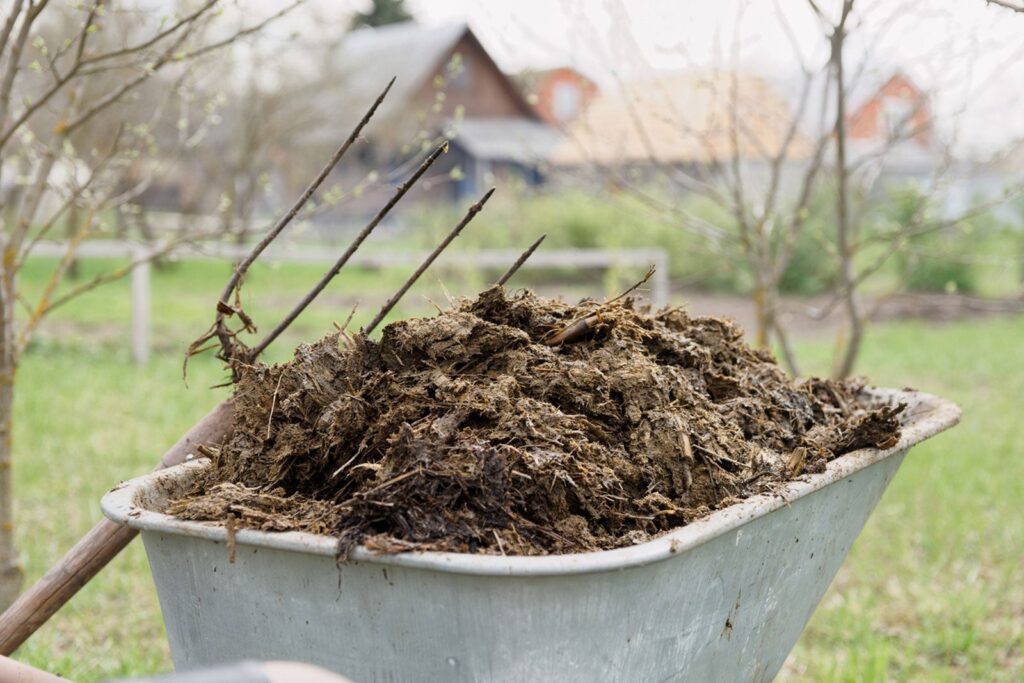
As an organic farmer, you’re likely aware of the importance of using natural and sustainable methods to fertilize your crops. One effective way to do this is by using manure as a fertilizer. In this article, we’ll explore the benefits of using manure, how to choose the right type, and how to apply it effectively.
Understanding Manure Fertilization
Manure fertilization involves adding animal waste to the soil to provide essential nutrients for plant growth. However, not all manures are created equal, and some may be more beneficial than others for your specific crops. It’s essential to choose the right type of manure and apply it correctly to achieve optimal results.
Choosing the Right Manure
There are several types of manure available, each with its unique characteristics and benefits. Here are a few options:
- Chicken or duck manure: High in nitrogen, phosphorus, and potassium, these manures are excellent for promoting healthy plant growth.
- Cattle or horse manure: Rich in carbon and nitrogen, these manures are ideal for improving soil structure and fertility.
- Sheep or goat manure: Balanced between nitrogen and phosphorus, these manures are suitable for a wide range of crops.
When choosing the right type of manure, consider factors like your crop requirements, soil type, and climate. It’s also crucial to ensure that the manure is properly aged and processed to avoid any negative impacts on plant growth.
Factors to Consider When Choosing Manure
Before selecting the right type of manure for your crops, consider the following factors:
- Crop requirements: Different crops have unique nutrient requirements. Choose a manure that provides the necessary nutrients for optimal crop growth.
- Soil type: Different soils require different types of manure. For example, clay soils may benefit from cattle or horse manure, while sandy soils may be better suited to chicken or duck manure.
- Climate: Climate plays a significant role in determining which type of manure is most suitable for your crops. In hot and dry climates, chicken or duck manure may be more beneficial than cattle or horse manure.
Applying Manure Effectively
To apply manure effectively, follow these guidelines:
- Use fresh or mature manure: Fresh manure can be too wet and may not provide the necessary nutrients for plants. Mature manure, on the other hand, is drier and more concentrated.
- Determine the right dosage: The ideal dosage of manure depends on factors like soil type, crop requirements, and climate. A general rule of thumb is to use 4 kg of mature manure per 1 square meter of land for healthy crops.
- Apply manure at the right time: Apply manure during the growing season, when plants are actively producing leaves and roots.
Best Practices for Manure Application
To ensure optimal results from your manure application, follow these best practices:
- Mix manure with other fertilizers: Combining manure with other fertilizers can help balance out its nutrient profile.
- Avoid over-applying manure: Excessive manure application can lead to soil pollution and negative impacts on plant growth.
- Monitor soil pH levels: Regularly check your soil’s pH levels to ensure they remain within a suitable range for your crops.
Common Mistakes to Avoid
To avoid common mistakes when applying manure, be aware of the following:
- Not aging the manure properly: Inadequate aging can result in an imbalance of nutrients and negative impacts on plant growth.
- Over-applying manure: Excessive application can lead to soil pollution and negative impacts on plant growth.
- Failing to monitor soil pH levels: Neglecting to check your soil’s pH levels can result in suboptimal nutrient uptake.
Benefits of Manure Fertilization
Manure fertilization offers several benefits for organic farmers. Some of the most significant advantages include:
- Improved soil fertility: Manure provides essential nutrients that promote healthy plant growth and improve soil fertility.
- Reduced environmental impact: Using manure as a fertilizer reduces the need for synthetic fertilizers, which can pollute waterways and harm ecosystems.
- Cost-effective: Manure is often less expensive than synthetic fertilizers, making it an attractive option for farmers on a budget.
Conclusion
Manure fertilization is a natural and sustainable way to promote healthy plant growth. By choosing the right type of manure, applying it effectively, and following best practices, you can achieve optimal results from your crops. Remember to avoid common mistakes, such as not aging the manure properly or over-applying manure, and monitor your soil’s pH levels regularly.
In addition to these guidelines, consider incorporating other organic farming methods into your practice, such as crop rotation, composting, and using natural pest control methods. By combining these practices, you can create a sustainable and thriving agricultural ecosystem that benefits both the environment and your crops.
Additional Resources
For further information on manure fertilization and other organic farming practices, consider consulting the following resources:
- National Organic Farmers Association (NOFA): A comprehensive resource for organic farmers, including articles, webinars, and workshops.
- USDA’s National Organic Program: A government-funded program that provides guidance and support for organic farmers.
- Local nurseries and gardening clubs: Many local nurseries and gardening clubs offer advice, resources, and community support for organic gardeners.
By utilizing these resources and following the guidelines outlined in this article, you can successfully implement manure fertilization into your organic farming practice and achieve optimal results from your crops.


