
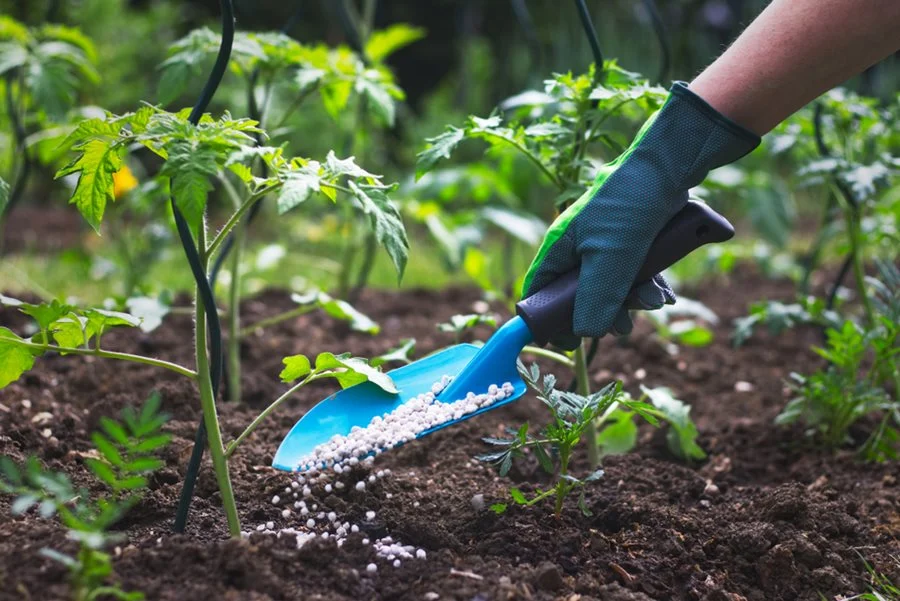
Improving Soil Fertility: A Comprehensive Guide
As plants grow and thrive, they require a balanced mix of essential elements to flourish. These include air, water, sunlight, and at least 13 critical nutrients that the soil provides through an optimal root system. Over time, however, the soil can become depleted of these vital components. It’s essential to understand how to improve soil fertility using organic and synthetic fertilizers.
Understanding Soil Structure
Before applying any fertilizers, it’s crucial to assess the soil structure. A thorough soil survey is necessary to ensure that the soil is soft enough for plant roots to grow deeply. This process is known as aeration or “vangatura” in Italian. Proper aeration helps maintain a healthy soil composition that supports plant growth.
Soil Structure Components
Soil structure can be broken down into four main components:
- Particle size: Refers to the size of soil particles, which affects water infiltration and root growth.
- Texture: Describes the feel and consistency of the soil when squeezed in a thumbprint test.
- Aeration: The amount of air available in the soil, which impacts microbial activity and nutrient availability.
- Organic matter: Incorporates decomposed plant and animal residues that enhance soil fertility.
Assessing Soil Structure
To determine your soil structure:
- Conduct a hand test: Use your hands to assess particle size, texture, and moisture content.
- Perform a physical examination: Observe the soil’s appearance, smell, and feel.
- Run a soil test kit: Utilize chemical tests to analyze pH levels, nutrient availability, and organic matter content.
Organic Fertilizers: The Natural Way
Organic fertilizers are an essential part of sustainable gardening practices. These natural alternatives promote soil health, structure, and fertility without compromising the environment. Some popular organic fertilizers include:
- Compost: Can be applied directly to the roots or mixed into the soil.
- Guano: A nutrient-rich fertilizer derived from bird excrement, typically used in the spring.
- Worm Castings (Humus): The best natural fertilizer available, produced by earthworms as they break down organic matter.
- Manure and Stallatico: A mixture of animal waste and straw, providing essential nutrients for plant growth.
- Pelleted Manure: A concentrated form of manure that’s easy to apply.
The Benefits of Organic Fertilizers
Using organic fertilizers offers numerous benefits:
- Supports the formation of humus and other natural soil components
- Improves soil structure
- Releases nutrients slowly, promoting healthy plant growth
- Prevents soil erosion, which contributes to desertification
- Reduces excess water in the soil, minimizing stress on plants
- Limits excessive nitrogen and phosphorus release, preventing eutrophication
Synthetic Fertilizers: The Chemical Approach
While synthetic fertilizers are widely available, their use requires careful consideration. These chemical-based products can provide quick results but often lead to environmental issues if not used responsibly.
Key Considerations When Using Synthetic Fertilizers
When applying synthetic fertilizers:
- Always follow the recommended dosage to avoid over-fertilization
- Be aware of the different forms and applications available, such as granules, liquids, concentrates, and powders
- Use caution when applying these products to avoid burning plant roots
Improving Soil Fertility: A Step-by-Step Guide
To improve soil fertility and create a thriving growing environment:
- Conduct a thorough soil analysis to determine the necessary nutrient levels.
- Apply organic fertilizers, such as compost or worm castings, according to their recommended application rates.
- Mix in natural amendments like manure or guano to enhance soil structure and fertility.
- Use synthetic fertilizers only when necessary, following strict dosage guidelines.
Conclusion
Improving soil fertility is essential for creating a healthy and thriving garden environment. By understanding the importance of organic and synthetic fertilizers, as well as proper soil structure maintenance, you can create a balanced ecosystem that supports plant growth. With the right approach, any amateur gardener or professional farmer can improve soil fertility and achieve optimal results.
Frequently Asked Questions
- What is the best way to apply compost to my garden?
Compost can be applied directly to the roots or mixed into the soil for optimal absorption. - How often should I fertilize my plants?
Fertilizing frequency depends on the type of fertilizer, plant growth stage, and soil conditions. Consult a gardening expert for personalized advice. - What are the benefits of using worm castings in my garden?
Worm castings promote healthy microbial activity, increase nutrient availability, and support overall soil fertility. - Can I use synthetic fertilizers on all types of plants?
Synthetic fertilizers may be suitable for some plants, but their use should be carefully considered to avoid over-fertilization and environmental harm. - How can I prevent soil erosion in my garden?
Implementing measures such as terracing, mulching, or using organic amendments like compost or manure can help reduce soil erosion risks. - What is the difference between guano and manure?
Guano is a nutrient-rich fertilizer derived from bird excrement, while manure comes from various animal sources. - How do I mix manure with straw for optimal fertilizer application?
Mix equal parts of manure and straw to create an effective and easy-to-apply fertilizer amendment. - Can I use synthetic fertilizers on seedlings?
Synthetic fertilizers should be used sparingly and only during the seedling stage, as excessive nitrogen can damage tender roots.
By following these guidelines and considering the unique needs of your garden, you’ll be well on your way to creating a thriving ecosystem that supports healthy plant growth.


