
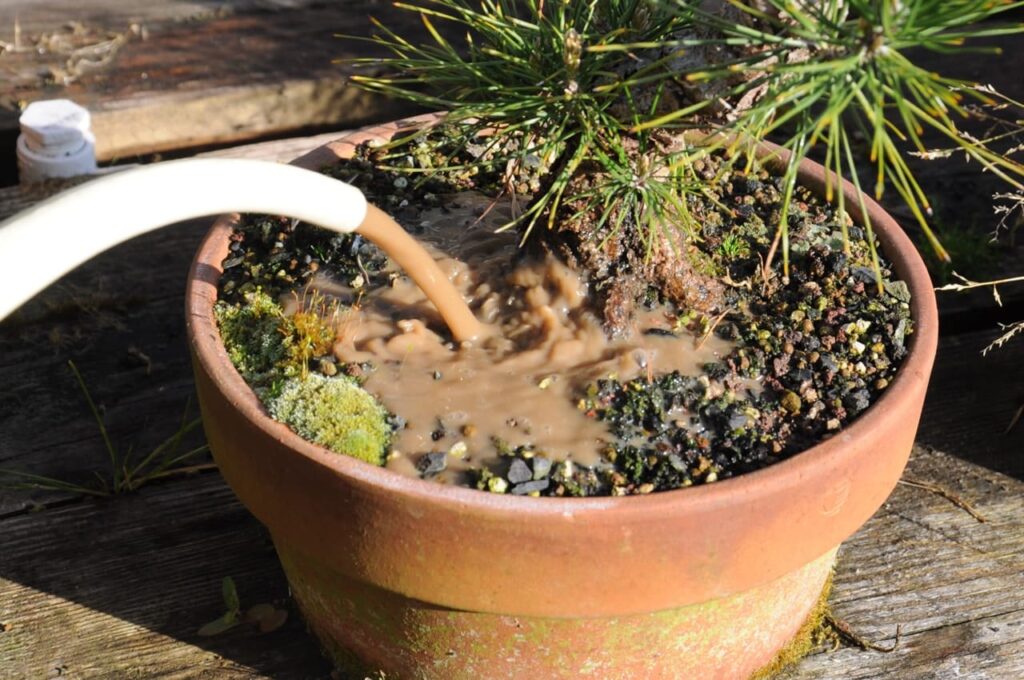
Understanding the Importance of Fertilization for Bonsai Trees
As a bonsai enthusiast, you know that these miniature trees require special care and attention. One crucial aspect of caring for your bonsai is fertilization. Just like all plants, bonsais need nutrients to thrive, and improper fertilization can lead to poor health and even death. In this article, we will explore the world of bonsai fertilization, covering topics such as the best time to fertilize, types of fertilizers, dosages, and more.
When to Fertilize Your Bonsai
Fertilizing your bonsai during the vegetative phase is essential for optimal health. This period typically falls between March and June and September and October. However, it’s crucial to consider other factors before fertilizing, such as temperature, humidity, and light exposure.
In general, spring and summer are considered the growing seasons for bonsais, while fall and winter are dormant periods. During the growing season, your bonsai will need more nutrients to promote healthy growth and development.
Principles of Fertilization
Before we dive into the details of fertilization, let’s cover some fundamental principles. First, never overfertilize your bonsai! This can lead to an overdose of nutrients, causing damage to your tree. Second, choose a fertilizer that is specifically designed for bonsais. These fertilizers are formulated to provide balanced nutrition and avoid harming your tree.
Factors to Consider When Fertilizing Your Bonsai
Before applying any fertilizer, consider the following factors:
- Temperature: Avoid fertilizing when the temperature is too high or too low. Bonsais can be sensitive to extreme temperatures, which can affect their ability to absorb nutrients.
- Humidity: A humid environment can lead to overfertilization. If your bonsai is in a dry location, you may need to adjust the fertilizer schedule accordingly.
- Light exposure: Choose a time that suits your bonsai’s light requirements. Some bonsais prefer bright, direct sunlight, while others prefer filtered or indirect light.
Types of Fertilizers for Bonsais
There are three primary types of fertilizers for bonsais:
- Organic Fertilizers: These fertilizers contain natural ingredients, such as fish bone meal, alfalfa meal, and compost tea. They provide balanced nutrition and promote healthy soil biota.
- Mineral Fertilizers: These fertilizers contain inorganic compounds, such as nitrogen, phosphorus, and potassium. They are often used to address specific nutrient deficiencies.
- Organic-Mineral Fertilizers: These fertilizers combine the benefits of both organic and mineral fertilizers. They offer a balanced approach to fertilization.
Choosing the Right Fertilizer for Your Bonsai
When selecting a fertilizer, consider the following factors:
- Purpose: Choose a fertilizer that addresses your bonsai’s specific needs. For example, if your bonsai is struggling with nutrient deficiencies, you may need a fertilizer specifically designed to address those issues.
- Formulation: Opt for a fertilizer with a balanced formula to avoid overfertilizing. A balanced formula ensures that your bonsai receives the necessary nutrients without an overdose of any particular element.
- Brand reputation: Research reputable brands and read reviews from other growers. This will help you determine which fertilizers have been proven effective and reliable.
Dosing and Application
To ensure proper dosing, follow these guidelines:
- Dilute fertilizers according to the manufacturer’s instructions. Fertilizer concentrate can be too strong for bonsais, so it’s essential to dilute it with water before application.
- Apply fertilizers during the growing season (spring and summer). Bonsais require more nutrients during this time to promote healthy growth and development.
- Water your bonsai thoroughly after fertilizing to prevent burning the roots. Overwatering can be just as damaging as underwatering, so make sure to water your bonsai carefully.
Common Mistakes to Avoid
When fertilizing your bonsai, avoid the following mistakes:
- Overfertilization: Too much fertilizer can harm or kill your tree. This is especially true for bonsais that are sensitive to nutrient overload.
- Underfertilization: Insufficient nutrients can lead to stunted growth and poor health. Bonsais require regular fertilization to maintain optimal health.
- Inconsistent application: Failing to follow a regular fertilization schedule can disrupt your bonsai’s natural balance. Consistency is key when it comes to fertilizing your bonsai.
Frequently Asked Questions
Here are some frequently asked questions about bonsai fertilization:
- Q: How often should I fertilize my bonsai?
A: Fertilize your bonsai during the growing season (spring and summer), following the recommended dosing schedule. This will ensure that your bonsai receives the necessary nutrients for optimal health. - Q: What is the best fertilizer for my bonsai?
A: Choose a fertilizer specifically designed for bonsais, taking into account factors such as purpose, formulation, and brand reputation. This will help you find the right fertilizer for your bonsai’s unique needs. - Q: Can I use household fertilizers on my bonsai?
A: No, household fertilizers are often too concentrated and can harm your tree. Stick to reputable brands specifically designed for bonsais.
By following these guidelines and best practices, you’ll be able to provide your bonsai with the necessary nutrients for optimal growth and health. Happy growing!
In addition to understanding when and how to fertilize your bonsai, it’s also important to consider other factors that can impact soil quality. Here are some tips to keep in mind:
- Soil pH: Bonsais prefer a slightly acidic to neutral soil pH (around 6-7). Avoid using fertilizers that alter the soil pH significantly.
- Soil Structure: A well-draining, porous soil is essential for bonsai health. Add organic matter like compost or perlite to improve soil structure and drainage.
- Micronutrients: In addition to macronutrients (like nitrogen, phosphorus, and potassium), bonsais require micronutrients (like iron, zinc, and manganese). Use a balanced fertilizer that includes these essential minerals.
By understanding the importance of fertilization for your bonsai, you’ll be well on your way to creating a thriving, healthy tree. Remember to always follow best practices and adjust your fertilization schedule as needed based on your bonsai’s specific needs and environment. Happy growing!


