
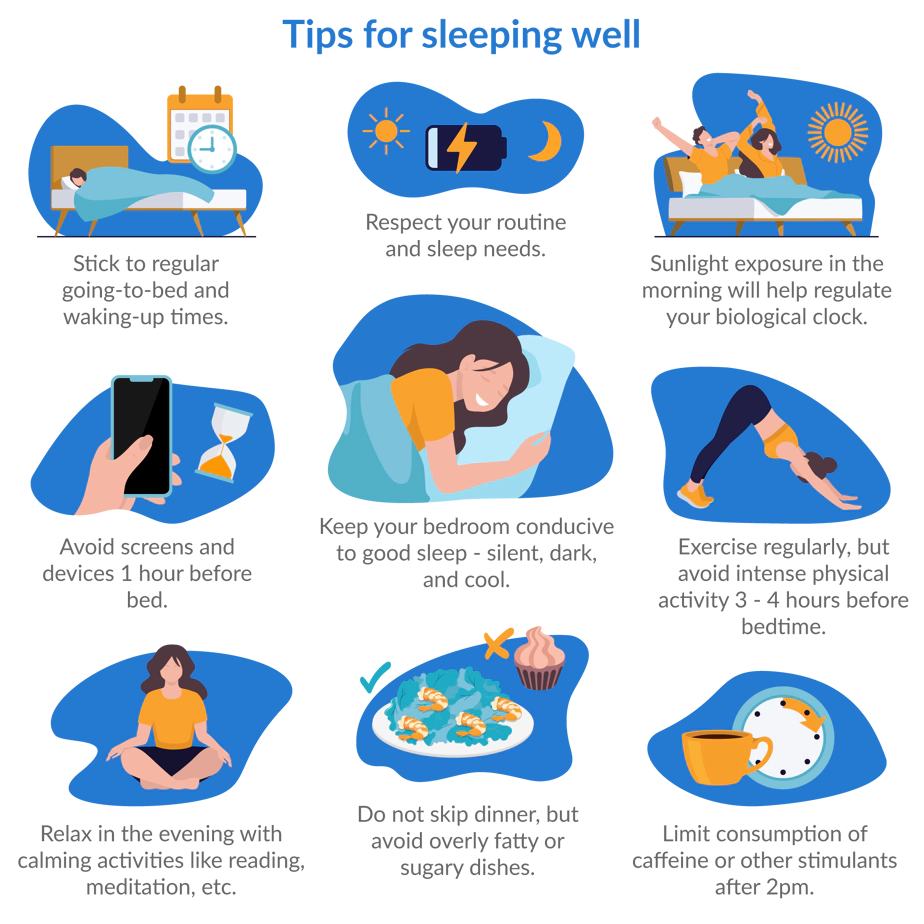
Getting a good night’s sleep is essential for both physical and mental well-being. However, with the demands of modern life, it can be challenging to fall asleep quickly and wake up feeling refreshed. In this article, we’ll explore the reasons why you may struggle with sleep, provide tips on how to improve your sleep hygiene, and discuss effective methods for falling asleep and staying asleep.
Understanding Why You Struggle with Sleep
Before we dive into the solutions, it’s essential to understand the common causes of sleep disturbances. These can include:
- Medical conditions such as hypothyroidism or sleep apnea
- Medications that interfere with sleep
- Psychological factors like anxiety, stress, and depression
- Lifestyle habits like irregular work schedules, excessive caffeine consumption, and poor sleep environments
Establishing a Bedtime Routine
Developing a consistent bedtime routine can help signal to your body that it’s time to sleep. This can include activities like:
- Reading a book or listening to calming music
- Practicing relaxation techniques such as deep breathing or meditation
- Taking a warm bath or shower
- Wearing comfortable, loose-fitting pajamas
Creating a Sleep-Conducive Environment
Your bedroom should be designed to promote sleep, not disrupt it. This means:
- Keeping the room cool, dark, and quiet
- Investing in a comfortable mattress and pillows
- Using blackout curtains or shades to block out light
- Reducing noise levels with earplugs or a white noise machine
Effective Methods for Falling Asleep
While everyone is unique, there are some universal techniques that can help you fall asleep quickly:
- The “4-7-8” Breathing Method: Also known as the “Relaxation Breath,” this technique involves breathing in through your nose for a count of four, holding your breath for seven counts, and exhaling through your mouth for eight counts.
- Progressive Muscle Relaxation: This method involves tensing and relaxing different muscle groups in your body, starting with your toes and moving up to your head.
- Visualization: Close your eyes and imagine yourself in a peaceful, relaxing environment – such as a beach or a forest.
Tips for Staying Asleep
Once you’ve fallen asleep, it’s essential to stay asleep. Here are some tips:
- Avoid using electronic devices before bedtime
- Don’t drink too much caffeine or alcohol
- Keep your bedroom cool and dark
- Practice relaxation techniques during the day to help manage stress
Frequently Asked Questions
- What is the best way to fall asleep quickly?
The “4-7-8” breathing method and progressive muscle relaxation are two effective techniques for falling asleep quickly. - How can I improve my sleep environment?
Keep your bedroom cool, dark, and quiet, and invest in a comfortable mattress and pillows. - What are some common causes of sleep disturbances?
Medical conditions, medications, psychological factors, and lifestyle habits can all contribute to sleep disturbances. -
How can I manage stress during the day?
Practice relaxation techniques like deep breathing, meditation, or yoga to help manage stress. -
Can I still drink coffee before bedtime?
While it’s recommended to avoid drinking caffeine at least four hours before bedtime, a small amount of coffee may not significantly impact sleep quality. - What is the best mattress for back pain?
Look for a mattress that provides proper support and pressure relief for your body type. - How often should I take a break during the day to rest?
Aim for at least 20-30 minutes of relaxation time each day, especially after meals or physical activity.
Sleep Tips for Different Ages
- Infants: Establish a bedtime routine and create a sleep-friendly environment by ensuring it’s dark, quiet, and cool.
- Toddlers: Stick to a consistent sleep schedule and create a relaxing bedtime routine, such as reading a book or singing a lullaby.
- Children: Encourage physical activity during the day but limit screen time before bed. Establish a calming pre-sleep routine, such as storytelling or a warm bath.
Understanding Sleep Cycles
Sleep is made up of different stages, including light sleep, deep sleep, and REM (rapid eye movement) sleep. Understanding these stages can help you optimize your sleep and improve the quality of your rest.
- Light Sleep: This stage occurs when you’re still asleep but are easily awakened by external stimuli.
- Deep Sleep: Also known as slow-wave sleep, this stage is characterized by a slower heart rate, lower body temperature, and decreased brain activity.
- REM Sleep: This stage is marked by rapid eye movements, increased brain activity, and vivid dreams.
Common Sleep Disorders
Sleep disorders can significantly impact the quality of your rest. Some common sleep disorders include:
- Insomnia
- Sleep Apnea
- Restless Leg Syndrome
- Narcolepsy
Managing Stress and Anxiety
Stress and anxiety can significantly impact your ability to fall asleep and stay asleep. Here are some effective methods for managing stress and anxiety:
- Deep Breathing Exercises: Practice deep, slow breaths in through your nose and out through your mouth.
- Progressive Muscle Relaxation: Tense and relax different muscle groups in your body.
- Mindfulness Meditation: Focus on the present moment and let go of worries about the past or future.
By understanding why you struggle with sleep, establishing a bedtime routine, creating a sleep-conducive environment, and using effective methods for falling asleep and staying asleep, you can improve the quality of your rest and wake up feeling refreshed and rejuvenated.


