
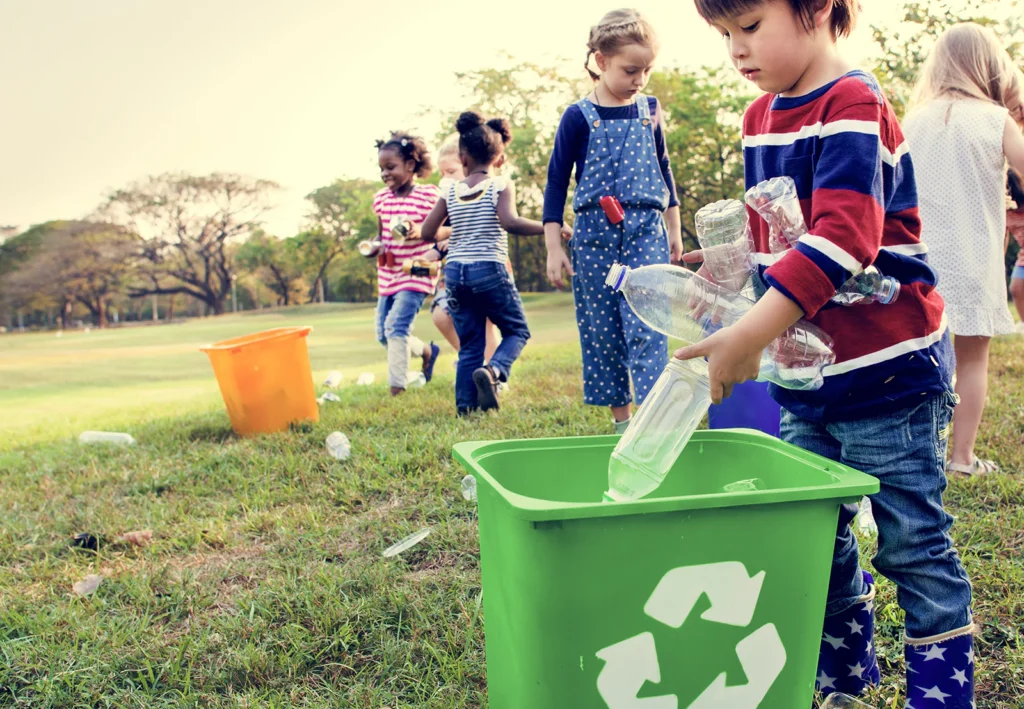
As parents, educators, and caregivers, it’s essential to instill in children a sense of civic responsibility and environmental awareness from a young age. One way to achieve this is by teaching them about recycling and waste management. In this article, we’ll explore practical strategies for introducing recycling concepts to primary school children.
Why Teach Recycling to Children?
In today’s world, it’s crucial that we promote sustainable practices among the next generation. By teaching children about recycling, we can help shape their values and behaviors, encouraging them to adopt environmentally friendly habits that will last a lifetime.
- Environmental Awareness: Teaching children about recycling helps them understand the impact of human activities on the environment and encourages them to take responsibility for their actions.
- Resource Conservation: Recycling teaches children the importance of conserving natural resources, reducing waste, and promoting sustainable consumption patterns.
- Community Involvement: By teaching children about recycling, we can foster a sense of community involvement and encourage them to participate in initiatives that benefit the environment.
Key Principles for Teaching Recycling
When introducing recycling concepts to children, it’s essential to focus on practical, hands-on experiences rather than theoretical explanations. This approach will help your students grasp the importance of recycling in a tangible way.
- Make it Interactive: Use engaging activities and games to make learning about recycling fun and participatory.
- Use Everyday Examples: Show your students how recycling applies to their daily lives, making it more relatable and accessible.
- Emphasize the Benefits: Highlight the positive impact of recycling on the environment, communities, and individuals.
Lesson Plans for Teaching Recycling
Here are some creative lesson plans to get you started:
- Recycling Sorting Game: Create a game where students sort different materials into recyclable and non-recyclable categories.
- Eco-Art Project: Ask students to create art pieces using recycled materials, such as cardboard tubes or plastic bottles.
- Waste Audit: Conduct a waste audit with your class, identifying areas for improvement and brainstorming strategies for reducing waste.
Case Studies: Real-World Applications of Recycling
To make recycling concepts more concrete, use real-world examples to illustrate their impact:
- Paper Recycling: Explain how paper recycling saves trees, reduces energy consumption, and conserves natural resources.
- Plastic Recycling: Discuss the challenges and opportunities associated with plastic recycling, including the development of new technologies and materials.
- Community Initiatives: Highlight local initiatives that promote recycling and waste reduction, showcasing the power of community-driven efforts.
Tips for Implementation
To ensure a successful implementation of your recycling program:
- Involve Parents and Guardians: Engage parents and guardians in the recycling process by providing them with resources and encouraging their involvement.
- Create a Recycling Culture: Foster a culture of recycling within your school or community, promoting behaviors that support sustainability.
- Monitor Progress: Regularly assess the effectiveness of your program, making adjustments as needed to optimize results.
Assessing Student Understanding
To ensure that students have grasped the concepts of recycling, it’s essential to regularly assess their understanding:
- Quizzes and Tests: Administer quizzes and tests to evaluate student knowledge and comprehension.
- Project-Based Assessments: Have students complete projects that demonstrate their ability to apply recycling principles in real-world contexts.
- Class Discussions: Encourage class discussions and debates to foster critical thinking and problem-solving skills.
Involving Parents and Guardians
Parents and guardians play a crucial role in promoting recycling among children:
- Home Environment: Provide parents with resources and suggestions for reducing waste at home.
- Community Involvement: Encourage parents to participate in local initiatives that promote recycling and sustainability.
- Student Feedback: Seek feedback from students about their experiences with recycling programs and gather insights on how to improve future initiatives.
Conclusion
Teaching children about recycling is an essential step in shaping their values and behaviors for a sustainable future. By incorporating practical, interactive lessons and real-world examples, you can inspire your students to become environmentally conscious and responsible citizens. Remember to involve parents and guardians, create a recycling culture, and monitor progress to ensure the success of your program.
Frequently Asked Questions (FAQs)
Here are some answers to common questions about teaching recycling:
- Q: What’s the best way to get children involved in recycling?
A: Encourage hands-on activities, games, and art projects that make learning about recycling fun and engaging. - Q: How can I measure the effectiveness of a recycling program?
A: Regularly assess student understanding, monitor waste reduction rates, and gather feedback from parents and guardians to refine your approach. - Q: What role do parents and guardians play in promoting recycling?
A: Engage parents and guardians by providing resources, encouraging their involvement, and promoting a culture of sustainability within the community.
By following these tips and strategies, you can create a positive impact on the environment and inspire future generations to adopt sustainable practices.


