
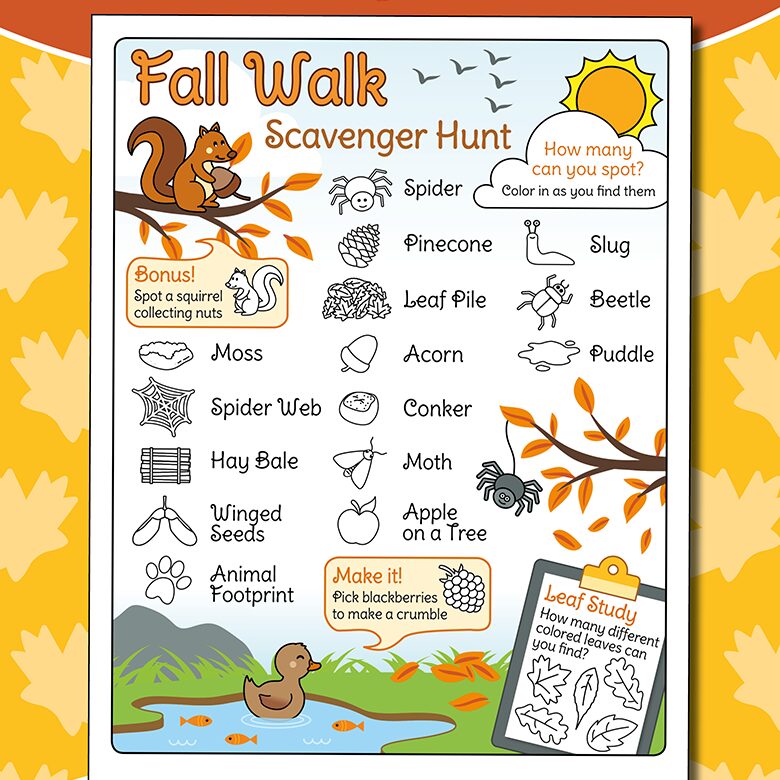
As we welcome the autumn season, it’s natural to feel a mix of emotions – from the nostalgia of the end of summer to the excitement of new beginnings. But how can we help children understand and appreciate this special time of year? In this article, we’ll explore some creative ways to explain autumn to kids, along with engaging activities and book recommendations.
Understanding Autumn for Young Children
For younger children, the change in seasons is a great opportunity to introduce them to new vocabulary and concepts. By pointing out the changing colors, smells, and sounds of autumn, you can help them develop their sense of wonder and curiosity about the natural world.
One way to start is by using sensory language to describe the sights and smells of autumn. You could say something like, “Do you smell that? It’s the scent of fallen leaves!” or “Look at all these beautiful colors! The trees are changing their clothes for winter.”
You can also use simple, relatable examples to help children understand the concept of seasons. For example, you might explain that just like we put on sweaters and jackets in autumn to stay warm, trees prepare for winter by shedding their leaves.
Explaining Autumn to Older Children
As children get older, they begin to develop a deeper understanding of the natural world and the processes that occur within it. At this age, it’s a great opportunity to introduce more complex concepts, such as the life cycle of plants and the reasons behind seasonal changes.
One way to explain autumn to older children is by talking about the process of photosynthesis and how it relates to the changing colors of leaves. You could say something like, “You know how we need sunlight and water to grow? Well, plants need those same things too! And in the summer, they’re making food for themselves through a process called photosynthesis. But as the days get shorter and the weather gets cooler, the trees start to slow down their food-making and prepare for winter. That’s why the leaves change color – it’s like they’re saying goodbye to their green coats!”
Books for Explaining Autumn
Reading books is an excellent way to introduce children to new concepts and ideas about autumn. Here are five book recommendations that we think you’ll love:
- The Little Tree: A beautifully illustrated story about a small tree who loves the changing seasons, including autumn.
- The Great Leaf Rake: A fun and engaging story about a group of leaves who come together to create a big leaf pile on Halloween night.
- Leaf Man: A creative tale about a man made out of leaves who travels through the forest and meets all sorts of creatures along the way.
- Autumn Leaves: A collection of poems and stories that celebrate the beauty of autumn foliage.
- The Apple Pie Tree: A heartwarming story about a family who grows an apple tree and learns to appreciate the changing seasons.
Activities for Exploring Autumn
There are plenty of fun activities you can do with your child to explore the magic of autumn. Here are some ideas:
- Go on a nature walk or hike to collect leaves and observe the changing colors.
- Make a leaf collage or mobile using natural materials.
- Bake apple pies or other seasonal treats together.
- Create a fall-themed sensory bin filled with dried beans, corn, and other autumnal textures.
- Take a trip to a pumpkin patch or corn maze for some spooky fun.
- Make a leaf rubbings using paper and crayons.
- Plant a garden together and observe the changes that occur over time.
Teaching Children About the Life Cycle of Plants
As children get older, they begin to develop a deeper understanding of the natural world and the processes that occur within it. One way to teach them about the life cycle of plants is by using simple, relatable examples.
For example, you could explain that just like we grow from seedlings into mature plants, trees do the same thing. You could also talk about how plants change throughout the seasons, such as growing leaves in the spring and shedding them in the fall.
Tips for Explaining Autumn to Children
Here are some tips for explaining autumn to children:
- Use sensory language to describe the sights, smells, and sounds of autumn.
- Use simple, relatable examples to help your child understand the concept of seasons.
- Read books together that celebrate the beauty of autumn foliage.
- Encourage your child to ask questions and explore their curiosity about the natural world.
- Make learning fun by incorporating games, crafts, and other activities into your explanation of autumn.
Conclusion
Explaining autumn to children can be a fun and rewarding experience, especially when you use creative language and engaging activities. By introducing them to new concepts and ideas about the natural world, we can help them develop their sense of wonder and curiosity about the world around them.
So next time you’re out for a walk on a crisp autumn day, take a moment to appreciate the beauty of nature and all its wonders. And don’t forget to share your favorite books and activities with us – we’d love to hear about how you explain autumn to children!
Frequently Asked Questions
- How can I explain autumn to my child?
- Start by using sensory language to describe the sights, smells, and sounds of autumn.
- Use simple, relatable examples to help your child understand the concept of seasons.
- Read books together that celebrate the beauty of autumn foliage.
- What are some fun activities to do with my child during autumn?
- Go on a nature walk or hike to collect leaves and observe the changing colors.
- Make a leaf collage or mobile using natural materials.
- Bake apple pies or other seasonal treats together.
- How can I teach my child about the life cycle of plants?
- Use simple, relatable examples to explain how plants grow and change throughout the seasons.
- Read books that illustrate the life cycle of plants, such as “The Tiny Seed” by Eric Carle.
- Plant a garden together and observe the changes that occur over time.


