
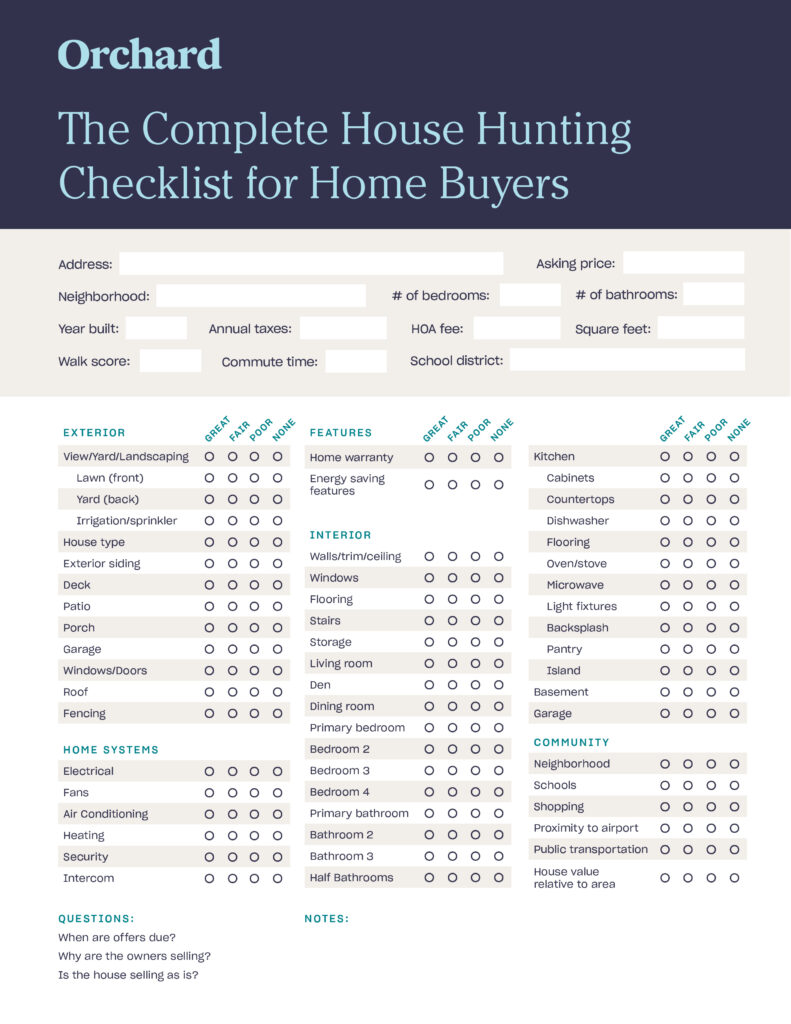
When it comes to buying a house, where do you start? What are the most important things to consider to avoid surprises or financial losses? There are several aspects that require attention, including bureaucratic and technical issues, as well as factors that depend on personal preferences. A “green” evaluation of the house to buy takes into account both bureaucratic considerations and social value elements of the context and building.
Bureaucratic Aspects: The Foundation of a Healthy Transaction
Before buying a house, certain documents need to be requested and verified. The first is the building permit issued by the municipality at the time of construction, accompanied by any requests for concessions related to subsequent interventions. This document ensures that the house has been constructed in accordance with local regulations and that any necessary concessions have been made.
The second important document is the certificate of habitability, which verifies that the house meets minimum safety standards. If this document is not available, it’s best to verify with the City Technical Office. The assessment is another crucial step, where you need to check that the cadastral plan corresponds to the actual situation (the variation in the cadastral plan is onerous). This ensures that the property is accurately valued and that any disputes can be resolved.
Finally, it’s a good idea to read the condominium regulations (if applicable) to avoid discovering clauses you don’t like and to get an accurate understanding of maintenance costs (common parts, garden, etc.). Understanding these regulations will help you make informed decisions about your purchase and avoid potential pitfalls.
Structural Solidity: The Heart of the House
The analysis should start with the roof and structural foundations, especially for rustic or rebuilt houses. A thorough inspection of the structures is essential to ensure that they are sound and can support the weight of the house.
Always obtain a floor plan of the structures (displacement of pillars and beams) and, if available, verify it with a technician. This will give you a detailed understanding of the structure’s layout and help you identify any potential weaknesses or issues.
Be cautious of makeshift attics that are claimed to be habitable: check the solejo’s capacity and the insulation of the roof, as well as always looking under the eaves that sometimes hide the lack of essential structural elements and insulation. A faulty roof can lead to costly repairs and compromise the integrity of the entire structure.
Thermal Insulation: The Key to Energy Efficiency
For thermal considerations, today there are energy classes, but don’t take everything at face value. While the energy class may indicate a house’s energy efficiency, it doesn’t provide any information about the materials used or their quality.
Different types of insulation have varying performance levels, and not all isolating materials are created equal. Natural isolants like sughero, sheep’s wool, and wood fibers are permeable and certainly more desirable than synthetic ones like polyurethane at par with transmission.
Insulation is crucial for maintaining a comfortable temperature in the house and reducing energy bills. Check the type of insulation used in the walls, ceiling, and floor to ensure it meets modern standards and is suitable for your climate.
Acoustic Insulation: The Art of Soundproofing
The theme is just as important as complicated because laws exist but few have been implemented. Difficult to find a multi-story building dated that respects the DPCM 5/12/1997 (which should be considered the reference point) while if you move on to new regulations, it’s something to demand.
An apartment where you can hear footsteps from the floor above, voices from the adjacent apartment or factory noises from the other side of the street risks being unbearable. The quality acoustics, both internal and contextual, is one of the aspects to evaluate with great attention when buying a house.
Look for houses with thick walls, solid doors, and windows with good soundproofing properties. Additionally, consider factors like the distance between rooms, the type of flooring, and the presence of noisy neighbors or external noise sources.
Social Value: The Heart of Your Home
This is an important aspect if you want to have a peaceful life with your neighbors, especially if you have children. More and more people are looking for a house not only as a place to live but also as a model of sociality that helps improve living better, maybe finding support from neighbors, just like they used to in the old days when neighboring farms shared their resources.
The architecture of buildings, materials with which they are constructed, and context certainly facilitate (or vice versa) a certain type of sociality. Look for houses that offer outdoor spaces, communal areas, or other features that encourage social interaction and community building.
Conclusion: A Well-Evaluated House is a Happy Home
Buying a house is a complex process that requires careful consideration of various factors. By evaluating the bureaucratic aspects, structural solidity, thermal insulation, acoustic insulation, and social value of the building, you can make an informed decision and avoid potential pitfalls.
Remember to keep your priorities in mind and don’t be afraid to ask for expert advice. A well-evaluated house is a happy home, where you can enjoy peace, comfort, and security.
Frequently Asked Questions
- What is a “green” evaluation of a house?
A “green” evaluation of a house refers to considering both bureaucratic aspects and social value elements of the context and building. - Why is it important to check the building permit?
Checking the building permit ensures that the house has been constructed in accordance with local regulations and that any necessary concessions have been made. - How do I determine if a roof is structurally sound?
Determine if a roof is structurally sound by obtaining a floor plan of the structures and verifying it with a technician, especially for rustic or rebuilt houses. - What are some natural isolants that can be used?
Some natural isolants that can be used include sughero, sheep’s wool, and wood fibers. - How do I determine if a house has good acoustic insulation?
Determine if a house has good acoustic insulation by checking the solejo’s capacity, the insulation of the roof, and the eaves to ensure there are no gaps or weaknesses. - Why is social value important when buying a house?
Social value is important because it can impact your quality of life and relationships with neighbors. - What is the DPCM 5/12/1997?
The DPCM 5/12/1997 refers to an Italian decree that sets standards for building construction and acoustic insulation. - Can I expect a house to meet modern energy efficiency standards without proper evaluation?
No, you should not expect a house to meet modern energy efficiency standards without proper evaluation, as the materials used may not be suitable or efficient.
By following this comprehensive guide, you’ll be well-equipped to evaluate a house for sale and make an informed decision. Remember to prioritize your needs and don’t hesitate to seek expert advice when needed.


