
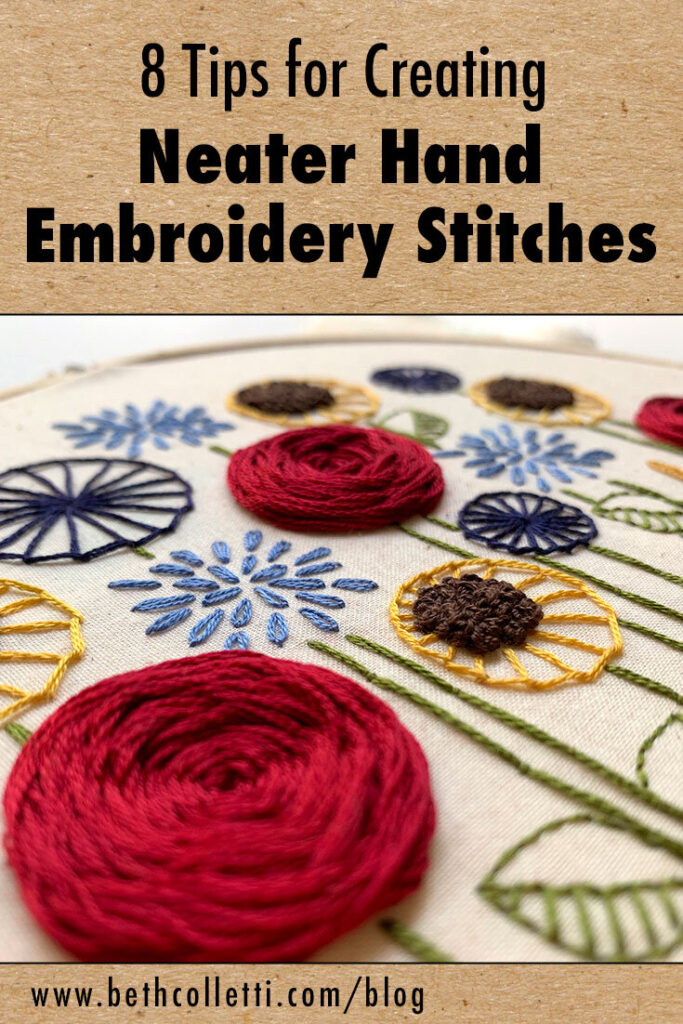
As someone who has tried embroidery, you already know how relaxing and satisfying it can be. If you haven’t tried it yet, I highly recommend giving it a go – it’s easier than you think, and the results are well worth the effort.
Learning to embroider doesn’t require any special talent or skill; all you need is patience, precision, and a bit of creativity. And if you’re feeling impatient, embroidery will help you develop those qualities over time. Plus, the process of stitching together one thread after another can be meditative, helping you stay present in the moment.
For many of us, including me, embroidery has become a way to engage our hands with something tangible and meaningful while escaping the digital world. It’s a chance to focus on what’s right in front of us, rather than getting caught up in thoughts that seem to be floating around in cyberspace. In short, it’s an exercise in mindfulness.
Getting Started with Embroidery
Before you begin, gather your materials: thread, needle, fabric, and a pattern or design to follow. While it may seem daunting, starting from scratch can be a fun and rewarding experience.
Here are some tips for getting started:
- Take your time: Don’t rush into embroidery – start slow and build up your skills gradually.
- Practice regularly: Consistency is key when it comes to improving your embroidery skills.
- Don’t be afraid to make mistakes: Mistakes can often lead to new and interesting designs.
Basic Embroidery Stitches
Once you have the basics down, you can start exploring more complex stitches. Here are some of the most common ones:
- Running Stitch: A simple stitch used for outlining and filling in large areas.
- Backstitch: Used for outlining, creating details, and adding texture to your design.
- Satin Stitch: A smooth, shiny stitch often used for filling in large areas.
Tips for Choosing the Right Stitches
When choosing stitches, consider the look you’re going for and the materials you’re using. For example:
- For delicate fabrics, opt for lighter threads and smaller stitches.
- For bold designs, use thicker threads and more intricate stitches.
By mastering basic embroidery stitches and exploring different techniques, you can create beautiful, unique pieces that reflect your personality and style.
Here are some additional tips to keep in mind as you continue on your embroidery journey:
- Experiment with colors: Don’t be afraid to try new colors and combinations.
- Use contrasting threads: This will help your stitches stand out and add visual interest.
- Add embellishments: Consider adding beads, sequins, or other embellishments to give your design extra flair.
Advanced Embroidery Techniques
Once you have a solid foundation in basic stitches, it’s time to explore more advanced techniques. Here are some ideas to get you started:
- Freehand embroidery: Use your own creative vision to create unique designs.
- Quilting: Combine embroidery with other stitching techniques to create intricate quilts and home decor items.
- Mixed media embroidery: Incorporate other materials like fabric, paper, or even found objects into your embroidery.
Whether you’re a seasoned embroiderer or just starting out, there’s always room for improvement and exploration in this beautiful craft.
Tips for Improving Your Embroidery Skills
Here are some additional tips to help you improve your skills:
- Pay attention to tension: Keep an even tension on your thread to avoid puckering or distorting your fabric.
- Use the right needle: Choose a needle that’s suitable for the type of fabric and thread you’re using.
- Practice, practice, practice: The more you embroider, the more comfortable you’ll become with different stitches and techniques.
Common Mistakes to Avoid
Here are some common mistakes to watch out for as you start your embroidery journey:
- Inconsistent tension: This can cause puckering or distortion in your fabric.
- Insufficient thread management: Make sure to keep your thread organized and easy to work with.
- Poorly chosen threads: Choose threads that are suitable for the type of fabric and design you’re working on.
By avoiding these common mistakes, you can ensure a smooth and enjoyable embroidery experience.
Additional Resources
Here are some additional resources to help you get started:
- Embroidery books: Check out books from your local library or online to find inspiration and guidance.
- Online tutorials: Websites like YouTube and Pinterest offer a wealth of embroidery tutorials and tips.
- Embroidery communities: Join online forums or social media groups to connect with other embroiderers and share ideas.
With practice, patience, and persistence, you can unlock the full potential of this ancient craft.


