
As a gardener or homeowner, protecting your outdoor space from weeds is essential. These unwanted plants can be detrimental to the health of your garden, stealing sunlight, water, and nutrients from your desired plants. Youngly planted trees and shrubs are particularly vulnerable to weed invasion. Moreover, weeds create microclimates that foster the growth of pests, fungi, and bacteria, leading to diseases.
In this article, we’ll explore how to protect your garden from weeds using some simple yet effective rules.
Understanding Weeds
Weeds are plants that compete with other plants for resources such as light, water, and nutrients. They can spread quickly and take over entire gardens if left unchecked. The most susceptible plants to weed invasion are young saplings.
There are several types of weeds, including annuals, perennials, grasses, and broadleaf weeds. Annuals, like dandelions and clover, complete their life cycle in a year and produce seeds before dying off. Perennials, such as bindweed and thistle, come back year after year, often sending up new shoots and flowers.
Broadleaf weeds, including plantains and chickweed, are known for their broad leaves, while grassy weeds, like crabgrass and quackgrass, resemble grass but can be invasive and difficult to control. Understanding the types of weeds you’re dealing with is key to effective weed management.
Preventing Weed Infestation
To prevent weeds from taking over your garden, follow these simple steps:
- Set aside some time each week to clean up your garden, removing all debris and dead plants.
- Regularly trim and mow your lawn to keep it healthy and dense.
- Water and fertilize your plants according to their specific needs, taking into account the season and climate.
- Check your plants regularly for signs of disease or pests, addressing any issues promptly.
Regular maintenance is crucial in preventing weed infestation. By keeping your garden clean and well-cared for, you can reduce the likelihood of weeds taking hold.
Removing Weeds
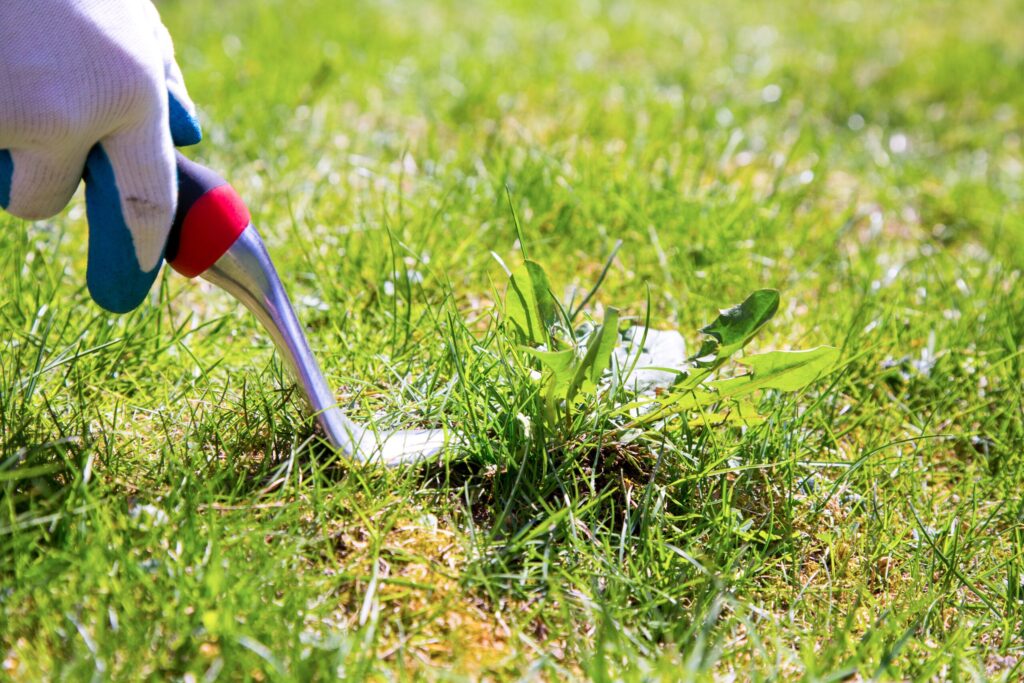
While prevention is key, sometimes weeds can still take hold. In such cases, you may need to remove them manually. Here’s a step-by-step guide:
- Choose the right tools: Use a garden fork or spade to gently loosen the soil around the weed, taking care not to damage any surrounding plants. For thicker weeds, use pruning shears or loppers to cut them off at the base.
- Remove as much of the root system as possible: Weeds often have deep roots that can regrow if left behind. Use a tool like a hoe or cultivator to loosen and remove as much of the root system as possible.
- Dispose of the weeds properly: Once you’ve removed the weed, dispose of it in a compost bin or bag it up for disposal.
Removing weeds manually can be time-consuming, but it’s often the most effective way to get rid of them. By being thorough and removing as much of the root system as possible, you can prevent regrowth and reduce the likelihood of future infestations.
Alternative Methods
If you’re looking for more eco-friendly ways to get rid of weeds, consider using natural methods such as:
- Boiling water: Pouring boiling water over weeds can kill them without harming other plants.
- Vinegar spray: Mixing equal parts water and vinegar in a spray bottle can be an effective weed killer.
- Mulching: Applying a layer of mulch to your garden can suppress weed growth by blocking light and preventing seed germination.
These alternative methods are not only more environmentally friendly but also less toxic than chemical herbicides. By using natural methods, you can reduce the risk of harming other plants and creating an unhealthy ecosystem.
Conclusion
Weeds may seem like a minor nuisance, but they can have significant consequences for your garden’s health. By following these simple steps and using natural methods when possible, you can keep your garden looking its best and enjoy the benefits of a weed-free outdoor space.
Frequently Asked Questions
- Q: What are some common weeds that can harm my garden?
A: Some common weeds that can harm your garden include dandelions, thistle, and bindweed. - Q: How often should I clean up my garden?
A: Set aside at least 30 minutes per week to maintain your garden’s cleanliness. - Q: Can I use chemical herbicides to get rid of weeds?
A: While chemical herbicides can be effective, they can also harm other plants and contaminate soil and water. Consider using natural methods instead. - Q: How do I prevent weed invasion in my lawn?
A: Regular mowing, watering, and fertilizing your lawn will help keep it healthy and dense, making it less susceptible to weed invasion. - Q: Can I use boiling water to kill weeds?
A: Yes, pouring boiling water over weeds can be an effective way to kill them without harming other plants. - Q: How do I remove weeds without damaging my garden’s ecosystem?
A: When removing weeds, make sure to loosen the soil around them and remove as much of the root system as possible. Use natural methods whenever possible to avoid harming your garden’s ecosystem.
Weeds may seem like a minor issue, but they can have significant consequences for your garden’s health. By following these simple steps and using natural methods when possible, you can keep your garden looking its best and enjoy the benefits of a weed-free outdoor space.


