
As a homeowner or gardener, you’re likely no stranger to the frustration of dealing with weeds in your garden. These pesky plants can outcompete your desired flora for water, nutrients, and sunlight, ultimately damaging the health and appearance of your garden. In this article, we’ll explore effective ways to eliminate weeds from your garden, using a combination of traditional methods and natural remedies.
Why Weeds are a Problem
Weeds can cause significant problems in your garden, including:
- Competition for resources: Weeds compete with your desired plants for water, nutrients, and sunlight, which can lead to stunted growth and reduced yields.
- Aesthetic appeal: Weeds can ruin the appearance of your garden, creating an unsightly mess that detracts from its beauty.
- Soil degradation: Some weeds, such as those in the Brassica family, can release toxic chemicals into the soil, harming beneficial microorganisms.
Methods for Eliminating Weeds
While there are many methods for eliminating weeds, not all of them are created equal. Here are some effective ways to get rid of weeds:
1. Hand-weeding
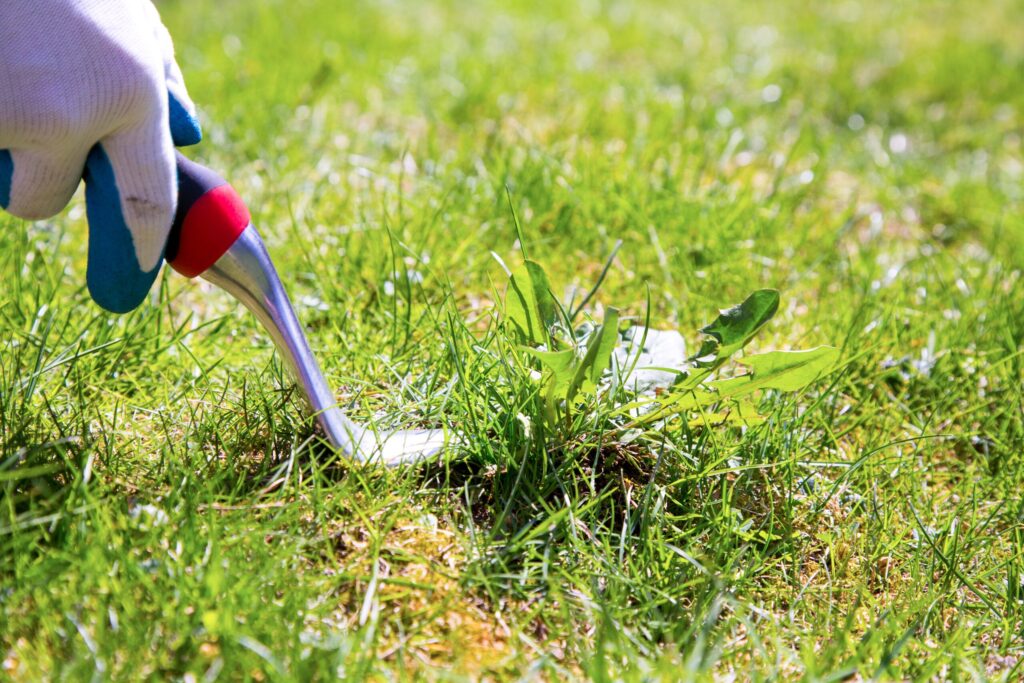
Hand-weeding is a simple and effective method for removing weeds from small areas or individual plants. To do this, follow these steps:
- Wear gloves to protect your hands from thorns and prickles
- Pull out the weed at its roots, making sure to remove as much of the root system as possible
- Disinfect your tools with soap and water after each use
2. Mulching
Mulching is a simple and effective way to suppress weed growth in your garden. To do this, follow these steps:
- Apply a thick layer (at least 3-4 inches) of organic mulch such as wood chips or straw
- Keep the mulch consistently moist, but not waterlogged
- Replace the mulch every 1-2 years to maintain its effectiveness
3. Solarization
Solarization is a method that uses the heat of the sun to kill weeds and their seeds. To do this, follow these steps:
- Clear the area of any debris or obstructions
- Lay down a clear plastic tarp or sheeting, weighing it down with rocks or soil
- Leave the plastic in place for 4-6 weeks during the hottest part of the summer
- Remove the plastic and dispose of the weeds
4. Flame Weeding
Flame weeding is a method that uses fire to kill weeds and their seeds. To do this, follow these steps:
- Use a propane torch or other flammable liquid to apply heat directly to the weed
- Be cautious not to burn yourself or start a larger fire
- Repeat as necessary until all weeds are eliminated
5. Herbicides
Herbicides can be an effective way to eliminate weeds, but they should be used with caution and in accordance with local regulations. To do this, follow these steps:
- Choose an herbicide that is specifically designed for the type of weed you’re trying to eliminate
- Follow the instructions carefully, taking note of any necessary safety precautions
- Reapply as necessary until all weeds are eliminated
6. Cover Cropping
Cover cropping is a method that involves planting cover crops in your garden to suppress weed growth. To do this, follow these steps:
- Choose a type of cover crop that is specifically designed for weed suppression (such as clover or rye)
- Plant the cover crop according to the instructions on the package
- Allow the cover crop to mature before removing it and replacing it with your desired crops
Preventing Weeds
While the methods above can help eliminate weeds, prevention is key. Here are some tips for preventing weeds in your garden:
- Use a pre-emergent herbicide to prevent weed seeds from germinating
- Mulch regularly to suppress weed growth
- Plant cover crops to compete with weeds for resources
- Use a compost tea to promote beneficial microorganisms in the soil
Tips for Identifying Weeds
Identifying weeds can be challenging, but there are some common characteristics that can help you distinguish them from your desired plants. Here are some tips:
- Look for differences in leaf shape and size
- Check for unusual growth habits or patterns
- Observe how the weed responds to different environmental conditions (such as light, water, and temperature)
- Consult a gardening guide or expert if you’re unsure about the identity of a particular plant
Common Weeds and Their Characteristics
Here are some common weeds and their characteristics:
- Dandelion: bright yellow flowers, toothed leaves
- Clover: white or pink flowers, trifoliate leaves
- Thistle: prickly, purple flowers
- Plantain: large leaves with serrated edges
- Chickweed: small, round flowers, hairy stems
Conclusion
Weeds can be a major problem in your garden, but there are many effective methods for eliminating them. By using a combination of traditional methods and natural remedies, you can keep your garden looking its best while also promoting healthy soil and ecosystem functioning.
Frequently Asked Questions
Q: How do I know if I have a weed infestation?
A: Weeds can be difficult to identify, but common signs include:
- Unusual growths or tufts of green in your garden
- Competition for resources (such as water, nutrients, and sunlight)
- Damage to desired plants
Q: What are the most effective methods for eliminating weeds?
A: The most effective methods for eliminating weeds depend on the type and location of the weed. Some common methods include hand-weeding, mulching, solarization, flame weeding, and herbicides.
Q: Can I use a single method to eliminate all weeds in my garden?
A: It’s unlikely that you’ll be able to eliminate all weeds using a single method. Weeds are often resilient and can regrow if not properly addressed.
Q: How do I prevent weeds from returning?
A: Prevention is key! Regularly mulching, planting cover crops, and using pre-emergent herbicides can help prevent weeds from returning.
Q: Are there any natural remedies for eliminating weeds?
A: Yes! Natural remedies such as boiling water, vinegar, and soap can be effective in eliminating weeds. However, always use caution and follow safety precautions when using these methods.
Q: Can I use herbicides on my entire garden?
A: No! Herbicides should only be used where necessary and according to local regulations. Always read the label carefully and take note of any necessary safety precautions.


