
Understanding the Enemy: The Portulaca
Portulaca, also known as porcellana or grassy portulaca, is a weed that has taken over many gardens and lawns. Its name comes from its ability to thrive in poor soil conditions, making it a formidable opponent for any gardener. This plant is edible and has been used for centuries in various dishes, but its invasive nature makes it a pest for many.
What is Portulaca?
Portulaca oleracea is an annual weed that grows spontaneously on any type of soil, even rocky ground. Its extensive root system allows it to outcompete other plants and return quickly after being eradicated. This makes it a challenging weed to eliminate completely.
The Benefits of Portulaca
Despite its invasive nature, portulaca is a valuable plant with several benefits:
- It’s a good source of Omega-3 fatty acids.
- Its leaves are edible and can be used in salads.
- The plant has antioxidant properties.
- In some cultures, it’s considered a delicacy.
How to Eliminate Portulaca
Eliminating portulaca requires patience, persistence, and the right techniques. Here are some steps to follow:
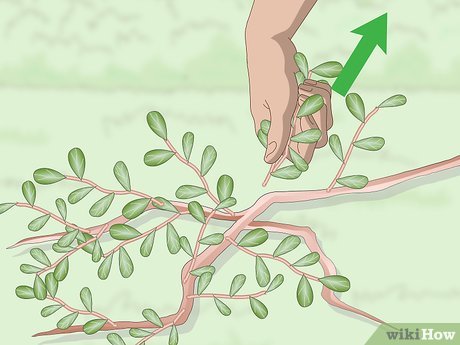
- Hand-pulling: When the plant is in its early stages of growth, hand-pulling can be an effective method.
- Mulching: Applying a thick layer of mulch can prevent new plants from germinating.
- Boiling water: Pouring boiling water over the weeds can kill them without using chemicals.
- Solarization: Trapping the sun’s heat under clear plastic sheeting can kill the weeds and their seeds.
Preventing Portulaca Growth
Preventing portulaca growth requires a proactive approach:
- Prepare the soil: Before planting, prepare the soil by loosening it and removing any debris.
- Use physical barriers: Lay down landscape fabric or plastic sheeting to prevent weeds from germinating.
- Apply mulch: Regularly apply a thick layer of mulch to suppress weed growth.
Natural Weed Killers
If you prefer not to use chemicals, there are several natural options available:
- Vinegar: Acetic acid can be used as a natural herbicide.
- Salt: Rock salt or sea salt can be sprinkled on the weeds to kill them.
- Soap solution: A mixture of soap and water can be sprayed on the weeds to suffocate them.
Long-Term Strategies
Eliminating portulaca is not just about removing the weeds; it’s also about preventing their return. Here are some long-term strategies to consider:
- Create a barrier: Install a physical barrier around your garden or lawn to prevent weeds from germinating.
- Use cover crops: Planting cover crops can help suppress weed growth and improve soil health.
- Maintain good soil health: Regularly test your soil and adjust its pH levels as necessary to ensure optimal nutrient availability.
Conclusion
Portulaca is an invasive weed that requires careful management. By understanding its benefits, habits, and growth patterns, you can develop a comprehensive plan to eliminate it from your garden or lawn. Remember to be patient, persistent, and proactive in your efforts to control portulaca’s spread.
Frequently Asked Questions
Q: How do I identify portulaca?
A: Portulaca is an annual weed with small, rounded leaves that are typically 1-2 inches in diameter. It has a distinctive shape and can grow up to 12 inches tall.
Q: Is portulaca edible?
A: Yes, portulaca is edible and has been used for centuries in various dishes. However, it’s essential to identify the plant correctly and ensure that it hasn’t been contaminated with pesticides or other pollutants.
Q: How do I prevent portulaca from growing back?
A: To prevent portulaca growth, prepare the soil by loosening it and removing any debris. Apply a thick layer of mulch regularly to suppress weed growth.
Q: Can I use vinegar as a natural herbicide?
A: Yes, vinegar can be used as a natural herbicide. Mix equal parts water and white vinegar in a spray bottle and spray directly on the weeds.
Q: Is portulaca invasive?
A: Yes, portulaca is an invasive weed that can outcompete other plants for resources like light, water, and nutrients.
Q: How do I get rid of portulaca from my lawn?
A: To get rid of portulaca from your lawn, use a combination of physical removal methods, such as hand-pulling or solarization, and chemical control methods, such as herbicides.


