
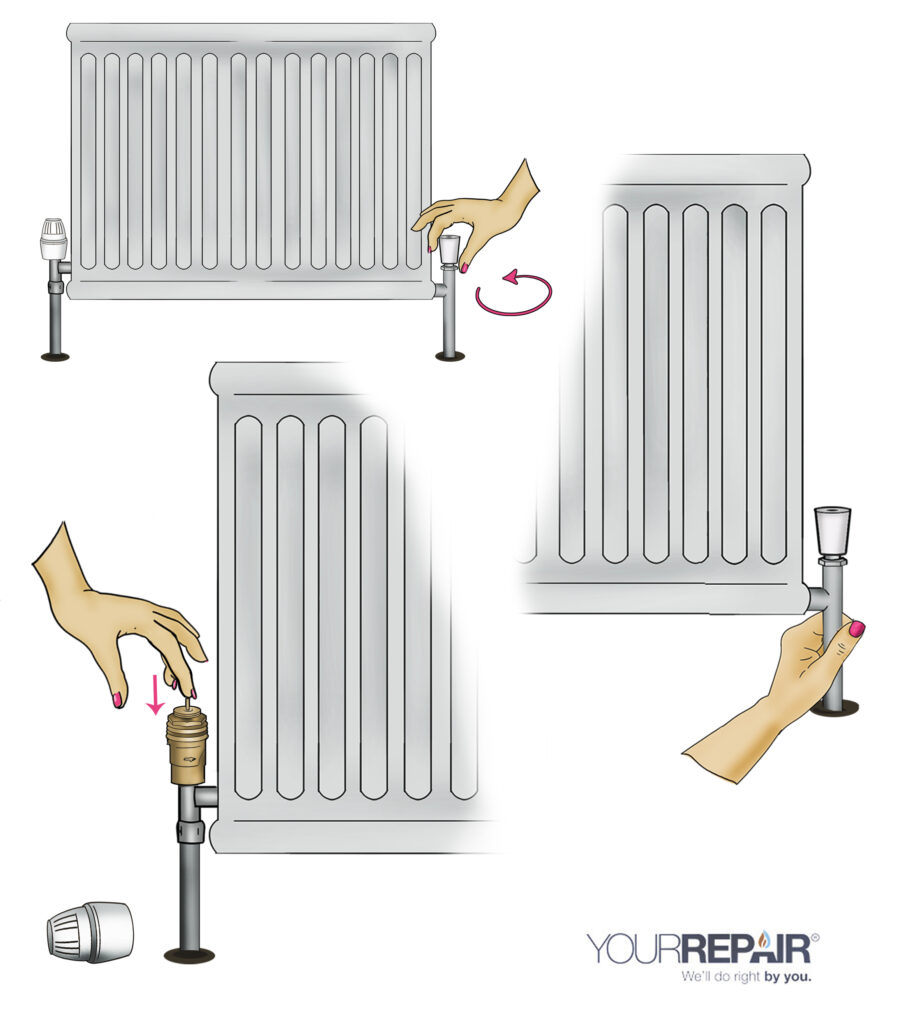
If you’re experiencing issues with your radiators, such as noise or poor performance, it’s likely due to air trapped in the system. In this comprehensive article, we’ll walk you through a simple yet effective process to eliminate air from your radiators and get them working efficiently.
Understanding the Problem
Air in the radiator system can cause several problems, including:
- Reduced heat output: Air pockets in the system can prevent hot water from circulating properly, leading to reduced heat output.
- Noisy radiators: Trapped air can create noise when the system is under pressure or when water flows through it.
- Poor performance: Air in the system can lead to uneven heating, causing some areas of your home to be hotter than others.
To address these issues, it’s essential to remove any trapped air from the system. This process may seem daunting, but with the right tools and knowledge, you can easily get rid of air from your radiators.
Step 1: Shut Down the Boiler
Before starting the process, make sure to turn off the boiler and let it cool down for at least an hour. This will ensure your safety while working with hot equipment.
- Make a note of the boiler’s temperature and pressure settings before shutting it down.
- Check that all pipes are clear of any obstructions or damage.
- If you’re unsure about how to shut down your boiler, consult the user manual or contact a professional plumber.
Step 2: Bleed the Radiators
Bleeding the radiators is a crucial step in removing air from the system. To do this:
- Locate the bleed valve on each radiator. These valves are usually located at the top of the radiator and have a small lever or handle that you need to turn.
- Open the valve by turning the lever clockwise, which will allow air to escape.
- Listen for any hissing sounds as air is released from the system. This may take several minutes.
- Once air has been released, close the valve by turning it counterclockwise and check that water flows freely.
- Repeat this process for each radiator, starting with the one closest to the boiler.
Tips and Tricks:
- When bleeding a radiator, make sure not to open the tap too wide, as this can cause water to flow out of the system more quickly than it enters.
- If you’re experiencing a hissing sound when bleeding a radiator, it may indicate that there’s air trapped in the system. Don’t worry; you can still proceed with the process.
Step 3: Increase Boiler Pressure
Increasing the boiler pressure can help push out any remaining air in the system. To do this:
- Locate the boiler’s pressure gauge and ensure it’s set between 1-2 bar.
- Check that the boiler’s temperature is within a safe range (usually around 70°C).
- If necessary, adjust the temperature or add water to reach the desired level.
Step 4: Descale the Radiators
Descaling your radiators can help remove any mineral buildup and ensure proper airflow. To descale:
- Use a radiator descaler or a mixture of equal parts water and white vinegar.
- Soak the radiators for several hours or overnight to allow the solution to penetrate and loosen any mineral deposits.
- Rinse thoroughly with clean water after soaking.
Step 5: Check and Replace the Bleed Valves
Regularly checking and replacing the bleed valves can help prevent air from entering the system. To do this:
- Inspect the bleed valves for signs of wear or damage.
- Replace any damaged or corroded valves with new ones.
- Make sure to purchase a correct-sized key for your specific radiator valve.
Frequently Asked Questions
Q: How often should I bleed my radiators?
A: It’s recommended to bleed your radiators at least once a year, especially if you live in an area with hard water. Additionally, you may need to bleed your radiators more frequently if you notice any issues with the system.
Q: Can I use a radiator key to open the valve?
A: Yes, but make sure to purchase a correct-sized key for your specific radiator valve. Using the wrong key can damage the valve or strip its threads.
Q: What should I do if my radiators are still not working after bleeding and descaling?
A: If your radiators continue to have issues, it’s best to consult a professional plumber to diagnose and fix any underlying problems.
Q: How can I prevent air from entering my radiator system in the future?
A: Regularly checking and replacing bleed valves, ensuring proper boiler maintenance, and using a radiator descaler can help prevent air from entering your system. Additionally, making sure to turn off the boiler when not in use and covering it with a blanket or towel to keep it warm can also help prevent air from entering the system.
Additional Tips:
- Regularly inspecting your radiators for signs of wear or damage can help identify any potential issues before they become major problems.
- Keeping your radiators clean and free of debris can also help ensure proper airflow and reduce the risk of mineral buildup.
- Consider investing in a radiator filter to catch any debris or sediment that may be entering the system.
Conclusion:
Removing air from your radiators is a simple process that requires some basic knowledge and tools. By following these steps, you can get rid of air from your radiators and enjoy efficient heating throughout your home. Remember to regularly check and replace bleed valves, ensure proper boiler maintenance, and use a radiator descaler to prevent air from entering the system in the future.
References:
- British Gas: “How to Bleed Your Radiators”
- Worcester Bosch: “Radiator Maintenance and Repair”
- The Royal Institution of Chartered Engineers: “Heating Systems: A Guide for Homeowners”
Safety Precautions:
- Always turn off the boiler before starting work on it.
- Make sure to wear protective gloves and eyewear when working with hot equipment.
- Never touch electrical components or wiring when working on your boiler or radiators.


