
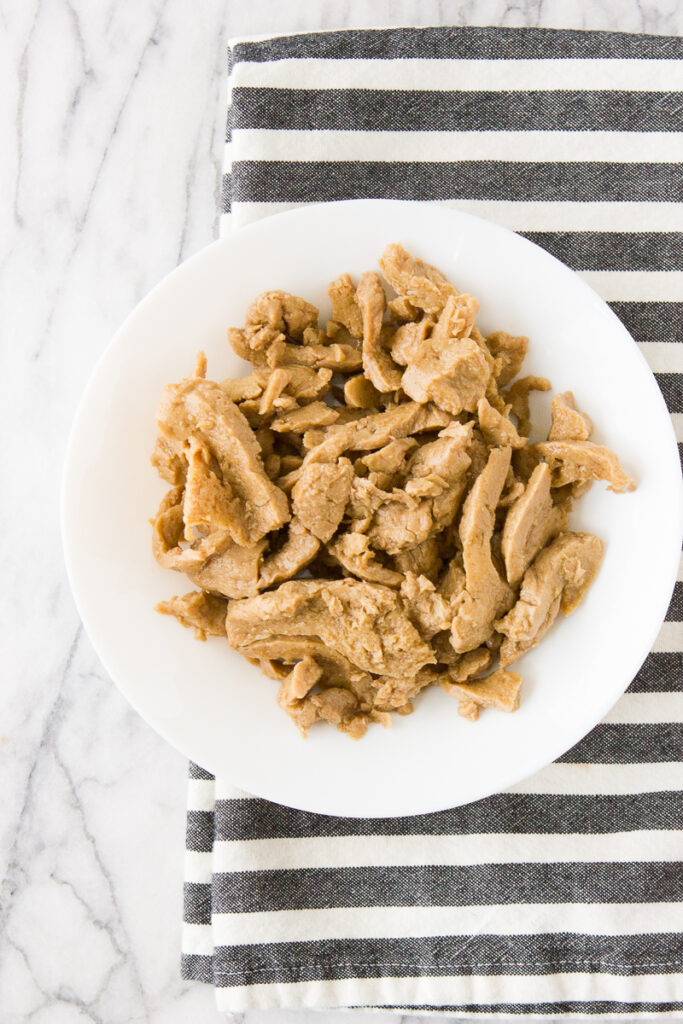
As a vegan lifestyle is one that excludes all animal products, we must find suitable alternatives for certain foods we’re accustomed to. Two valuable allies in vegan and vegetarian cuisine are tofu and seitan. These plant-based proteins have become increasingly popular among vegans and vegetarians due to their versatility, nutritional benefits, and ability to mimic the taste and texture of meat.
What is Tofu?
Tofu is made by coagulating soy milk with acid, lemon juice, or magnesium salts. It can be found in many health food stores, supermarkets, and prepared in various ways: natural, smoked, flavored with herbs or peppers, soft or firm. The taste of tofu is neutral, but it’s the herbs and cooking methods that give it a unique flavor.
Tofu is an excellent source of protein, vitamins, iron, calcium, and other minerals. It contains all nine essential amino acids, making it a complete protein source. Tofu also has a low calorie count, with approximately 80 calories per 3-ounce serving.
Using Tofu in Cooking
Tofu is versatile: use it as a filling, make sauces, marinades, salads, or desserts. It can also be crumbled naturally and pan-fried with garlic or onion to stuff zucchinis, bell peppers, or tomatoes. Alternatively, it can be sautéed with sesame seeds to add flavor to summer salads.
Tofu is an excellent ingredient for making quiches (spinach, leek, broccoli, or kale), panzerotti, and stuffed bell peppers. It’s also a great addition to stir-fries, curries, and stews, where it can absorb the flavors of the ingredients it’s paired with.
Using Tofu in Sauces and Marinades
The possibilities are endless when it comes to using tofu: from pasta to tofu ragù, trofie with tofu pesto, tofu salad, tomato, olive, basil, warm bean dip, or simply served as a protein-rich condiment. When used in this way, tofu absorbs the flavors of the ingredients it’s paired with and becomes a nutritious part of the dish.
Some popular ways to use tofu include:
- Making a tofu scramble with spinach, mushrooms, and bell peppers
- Creating a tofu-based curry sauce with coconut milk, turmeric, and cumin
- Using tofu in place of cheese in dishes like lasagna or macaroni and cheese
What is Seitan?
Seitan is made from wheat gluten, making it a popular substitute for meat among vegetarians. Its popularity originated in Japanese cuisine, but it can now be found in most supermarkets.
Seitan comes in various forms: unflavored, breaded, as spezzatino, smoked, or flavored with herbs and spices. It can also be made into sausages or burgers.
Preparing Seitan
Preparation is simple: combine the gluten flour with water to create a dough, then boil it with soy sauce, seaweed, or other seasonings to make fresh seitan every week.
Unlike tofu, which has a neutral flavor when unflavored, seitan has a bread-like taste. Its texture makes it suitable for roasting, making meatballs, burgers, or even sausages and scallopine.
Using Seitan in Cooking
Seitan’s textures are similar to those of meat: marinate and roast it as if it were beef, create meatballs, polpette, or polpettoni. You can also make hamburgers, scallopine, or spezzatini with seitan.
Some popular ways to use seitan include:
- Making a vegan “cheeseburger” with seitan, lettuce, tomato, and vegan mayo
- Creating a seitan-based stir-fry with vegetables like broccoli, bell peppers, and snow peas
- Using seitan in place of chicken in dishes like Caesar salad or pasta primavera
Tips for Cooking with Tofu and Seitan
Here are some general tips for incorporating tofu and seitan into your meals:
• Use them as protein sources in place of meat.
• Experiment with different seasonings and herbs to enhance flavor.
• Don’t be afraid to try new recipes.
• Use them as filling ingredients for dishes like quiches or stuffed bell peppers.
Frequently Asked Questions (FAQs)
Here are some common questions about tofu and seitan:
Q: What is the difference between tofu and seitan?
A: Tofu is made from soy milk, while seitan is made from wheat gluten. Both have their unique textures and flavors.
Q: How do I prepare seitan for cooking?
A: Simply combine wheat flour with water to create a dough, then boil it with seasonings.
Q: Can tofu be used as a substitute for meat in dishes?
A: Yes, but it’s essential to use the right seasonings and herbs to achieve the desired flavor.
Q: How can I make seitan taste like meat?
A: Use marinades, seasonings, and herbs to create a meat-like flavor profile.
Q: Are tofu and seitan suitable for people with gluten intolerance or sensitivity?
A: While both are plant-based proteins, some individuals may need to avoid them due to gluten content. Always check the ingredient label if you’re unsure.
Health Benefits of Tofu and Seitan
Both tofu and seitan offer numerous health benefits when consumed as part of a balanced diet. Here are some of the key advantages:
- High protein content: Both tofu and seitan are excellent sources of plant-based protein, making them ideal for vegetarians and vegans.
- Low in calories: Tofu has approximately 80 calories per 3-ounce serving, while seitan has about 120 calories per 3-ounce serving.
- Rich in fiber: Tofu is a good source of dietary fiber, which can help lower cholesterol levels and promote digestive health.
- Antioxidant properties: Both tofu and seitan contain antioxidants, which can help protect against cell damage and reduce the risk of chronic diseases like cancer and heart disease.
Conclusion
Tofu and seitan are two valuable allies in vegan and vegetarian cuisine. They offer a versatile alternative to animal products, allowing vegans and vegetarians to create delicious and nutritious dishes that mimic the taste and texture of meat. By incorporating tofu and seitan into your meals, you can reap numerous health benefits while reducing your environmental impact.
Whether you’re a seasoned vegan or just starting out on your plant-based journey, tofu and seitan are worth exploring. Experiment with different recipes and flavor combinations to find your favorite ways to use these versatile proteins. Happy cooking!


