
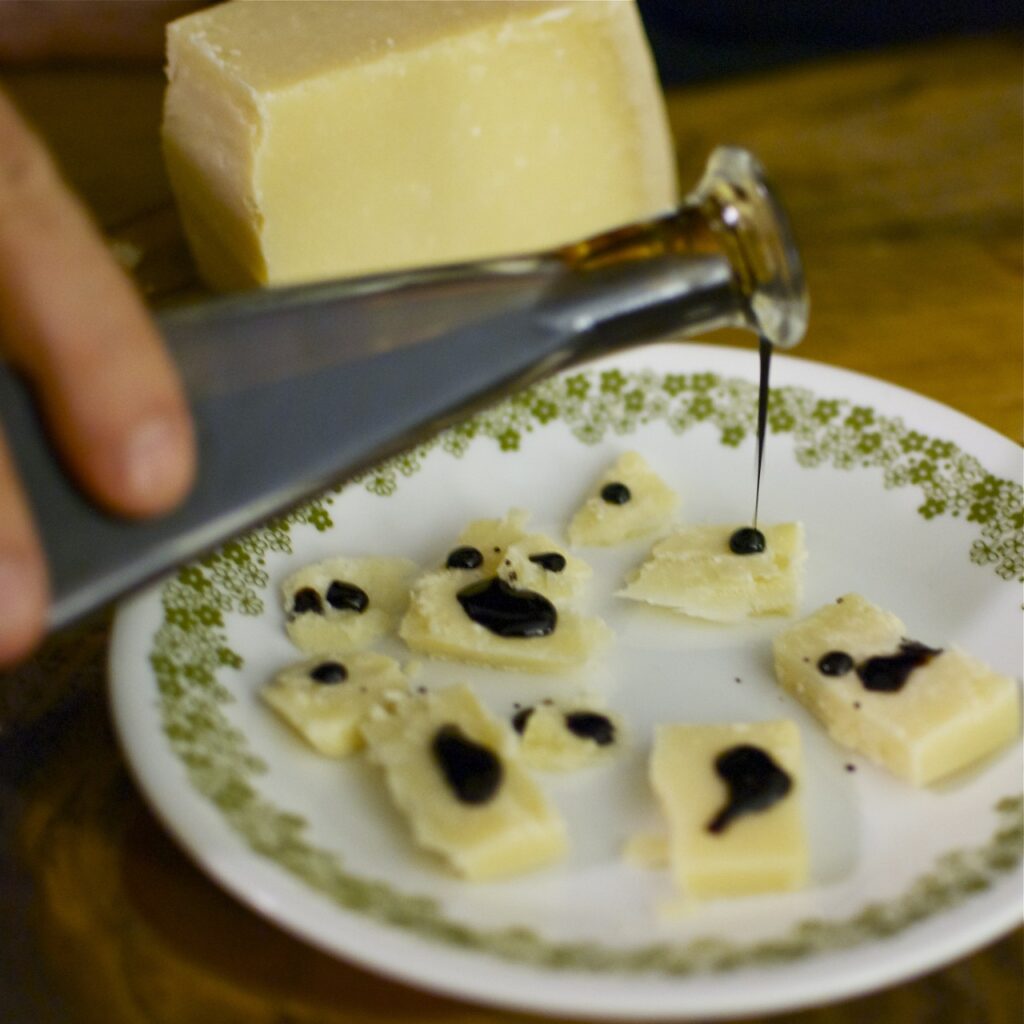
As one of Italy’s most beloved cheeses, Parmigiano Reggiano has captured the hearts and taste buds of many. But beyond its popularity lies a world of culinary possibilities waiting to be explored. In this article, we’ll delve into the fascinating realm of Parmigiano Reggiano, discussing its various stages of aging, pairing options with wine, and innovative ways to incorporate it into your daily meals.
The Art of Aging Parmigiano Reggiano: Stagionature
Parmigiano Reggiano’s unique flavor profile is shaped by its aging process. With different stages of maturity come the following:
- Young Parmigiano (12-18 months): Aged for a shorter period, this version has a milder taste and aroma, often paired with lighter flavors like fruit and nuts.
- Parmigiano Reggiano Classico (22 months): This classic style boasts a more pronounced flavor and is often served as an aperitif. Expect notes of citrus and herbs when paired with crisp white wines like Franciacorta.
- Aged Parmigiano (24-30 months): With its rich, intense flavors, this variety is perfect for adding depth to soups, stews, or meat dishes. Pair it with robust reds like Cabernet Sauvignon or Merlot.
Unconventional Pairings: Vino e Parmigiano
The world of wine and cheese pairing is vast and exciting. When it comes to Parmigiano Reggiano, the right vino can elevate its flavors:
- White Wines: For younger Parmigianos, try pairing with crisp whites like Vernaccia di San Gimignano or Pinot Grigio.
- Red Wines: As the cheese ages, bold reds like Chianti Classico or Barolo complement its richness and complexity.
Fruitful Combinations: Parmigiano e Frutta
Parmigiano Reggiano’s versatility shines when paired with fresh fruit:
- Pears: A classic combination, pear and Parmigiano create a sweet and savory harmony.
- Apples: Tart apples balance the richness of aged Parmigianos.
Sweet Serendipity: Miele e Parmigiano
Marmalades and honey add an unexpected yet delightful dimension to Parmigiano Reggiano:
- Honey: A drizzle of pure, fragrant honey complements the cheese’s natural sweetness.
- Fig jam: Sweet and savory, this pairing will leave you wanting more.
Tips for Handling Aging Parmigiano Reggiano:
- Handle aged Parmigiano with care, as its strong flavors can be overpowering.
- Store it in a cool, dry place to preserve its age and quality.
- Use high-quality ingredients when making your own marmalades or jams.
Frequently Asked Questions:
-
Q: Can I use fresh fruit with young Parmigiano?
A: Fresh fruit can be paired with younger Parmigianos, but it may overpower their delicate flavors. -
Q: How do I choose the right wine for my Parmigiano Reggiano?
A: Consider the cheese’s age and flavor profile when selecting a wine to pair it with. -
Q: Can I use marmalade or jam with aged Parmigiano?
A: Yes, sweet and savory combinations like fig jam can complement the richness of aged cheeses. -
Q: Is it possible to over-age Parmigiano Reggiano?
A: While aging enhances flavor, extremely aged Parmigianos may become too strong for some palates. -
Q: Can I store Parmigiano Reggiano at room temperature?
A: To preserve its quality and freshness, store Parmigiano Reggiano in the refrigerator to maintain its age. -
Q: Is it possible to freeze Parmigiano Reggiano?
A: While freezing won’t harm the cheese immediately, repeated freezing and thawing can affect its texture and flavor. -
Q: Can I make my own marmalade or jam for Parmigiano Reggiano?
A: Absolutely! Homemade preserves offer endless possibilities for experimenting with unique flavors. -
Q: Is it okay to use low-quality ingredients in making Parmigiano cheese?
A: Using subpar milk and aging conditions can result in a lower quality Parmigiano Reggiano.
Expert Insights
Parmigiano Reggiano is an artisanal cheese, crafted by skilled cheesemakers using traditional methods. The combination of high-quality milk from local herds and the precise aging process contributes to its unique flavor profile:
- Milk Quality: Fresh milk from local farmers provides a rich source of nutrients and flavor compounds.
- Aging Process: Aged Parmigiano Reggiano is carefully monitored throughout its entire aging period, ensuring optimal development of its distinct characteristics.
Nutritional Considerations
When incorporating Parmigiano Reggiano into your diet:
- Consider using it as a topping for salads or pasta dishes to add a rich flavor without excessive calories.
- Younger Parmigianos are often lower in fat and calories compared to older varieties.
- As with any cheese, moderation is key when enjoying Parmigiano Reggiano.
Culinary Uses
Beyond its role as a wine pairing or topping:
- Add depth to soups: Grate Parmigiano Reggiano over soups like minestrone or creamy broths for an added layer of flavor.
- Enhance meat dishes: Sprinkle aged Parmigiano over pasta, pizza, or roasted meats for a boost of umami taste.
Conclusion
Parmigiano Reggiano is more than just a cheese – it’s a culinary journey waiting to unfold. By understanding its various stages of aging, pairing options with wine, and incorporating it into your daily meals, you can unlock the full potential of this beloved Italian staple. Whether used as a topping, a wine pairing, or an ingredient in savory dishes, Parmigiano Reggiano is sure to leave a lasting impression on your taste buds.


