
Unlocking the Secrets of Healthy Eating: A Guide to Nourishing Your Body
As we strive to maintain a healthy lifestyle, it’s easy to assume that simply choosing organic foods is enough. However, there’s more to eating well than just selecting wholesome ingredients. In fact, understanding how to cook and preserve fruits and vegetables can be the key to unlocking true nutritional benefits.
In this article, we’ll delve into the world of food preservation and cooking techniques that can help you make the most of your diet while minimizing exposure to unwanted substances like nitrates. By adopting these strategies, you’ll be well on your way to a healthier, more balanced eating habit.
The Dark Side of Industrial Agriculture
The widespread use of synthetic fertilizers in industrial agriculture has led to an alarming increase in nitrate levels in the soil and water supply. These nitrates can accumulate in vegetables and become a concern for human health when ingested. The most affected types of produce are those with high nitrate content, such as leafy greens like spinach, lettuce, and kale.
Reducing Nitrates in Your Diet
So, how can you minimize your exposure to these unwanted compounds? Here are some expert tips:
• Vary your produce: Limit your consumption of leafy greens to once or twice a week. Opt for alternative vegetables that are lower in nitrates.
• Store and cook wisely: Wash, dry, and cook vegetables thoroughly to prevent the loss of essential nutrients. Avoid reheating cooked veggies, as this can increase nitrate levels.
• Use fresh water: Don’t use treated water from your home’s plumbing system to irrigate your garden or wash produce. Instead, collect rainwater or use a separate supply line for gardening purposes.
• Freeze and preserve: Freeze vegetables soon after harvesting to lock in their nutritional value. Avoid using plastic packaging, as this can lead to nitrate formation.
The Benefits of Cooking Techniques
Cooking methods play a crucial role in preserving the nutritional value of your food. Here are some tips from the experts:
- Steaming: This method preserves more vitamins and minerals than boiling or stewing.
- Roasting: Roasting vegetables at high temperatures can help break down cell walls, releasing nutrients that might otherwise be locked away.
Healthy Eating Made Easy
By incorporating these simple cooking techniques and storage methods into your daily routine, you’ll be well on your way to a healthier, more balanced diet. Here are some additional tips:
- Choose seasonal produce: Opt for locally sourced fruits and vegetables when possible, as they tend to have higher nutritional content.
- Buy organic whenever possible: While not all organic options are created equal, choosing certified organic produce can reduce your exposure to unwanted substances.
In addition to cooking techniques, there are several other ways to optimize your eating habits. Here are some expert tips:
Understanding the Importance of Gut Health
Gut health is closely linked to overall well-being. When your gut microbiome is balanced and healthy, you’re more likely to experience improved digestion, immune function, and even mental health.
To promote a healthy gut, focus on consuming fermented foods like yogurt, kimchi, and sauerkraut. These foods contain live cultures that can help populate your gut with beneficial bacteria.
The Power of Meal Planning
Meal planning is an essential tool for maintaining a healthy diet. By taking the time to plan out your meals in advance, you can ensure that you’re getting the nutrients you need while minimizing food waste and saving money.
Here are some tips for creating a meal plan:
- Plan around seasonal produce: Opt for locally sourced fruits and vegetables when possible, as they tend to have higher nutritional content.
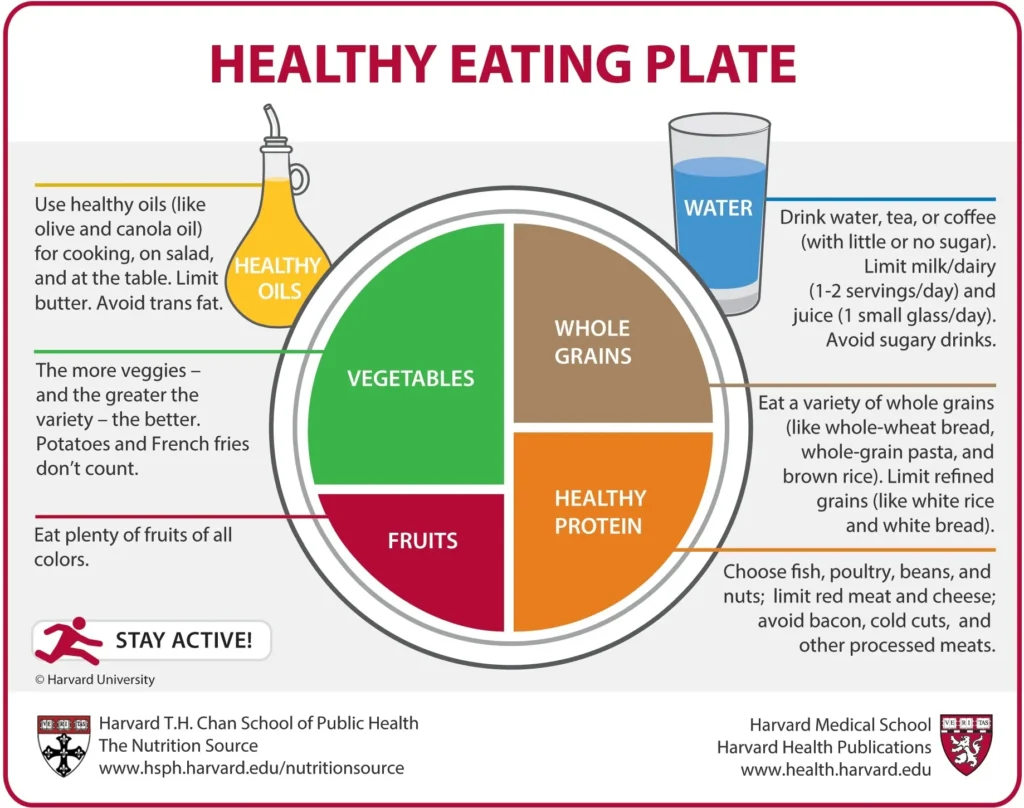
- Incorporate a variety of protein sources: Choose lean proteins like chicken, fish, and tofu to keep your diet interesting and nutritious.
- Don’t forget about whole grains: Incorporate whole grains like brown rice, quinoa, and whole-wheat bread into your meals for added fiber and nutrients.
Cooking with Herbs and Spices
Herbs and spices can add flavor and depth to your dishes while also providing a boost of antioxidants and other nutrients. Here are some expert tips:
- Use fresh herbs: Choose fresh herbs like basil, rosemary, and thyme to add flavor to your meals.
- Experiment with spices: Try incorporating new spices like cumin, coriander, and turmeric into your recipes for added nutrition.
Conclusion
Healthy eating is more than just selecting wholesome ingredients – it’s about adopting a holistic approach that takes into account the way we prepare and preserve our food. By understanding how cooking techniques and storage methods impact our diet, you’ll be better equipped to make informed choices about what goes on your plate.
In addition to incorporating these simple strategies into your daily routine, consider exploring other areas of healthy eating to optimize your overall well-being.


