
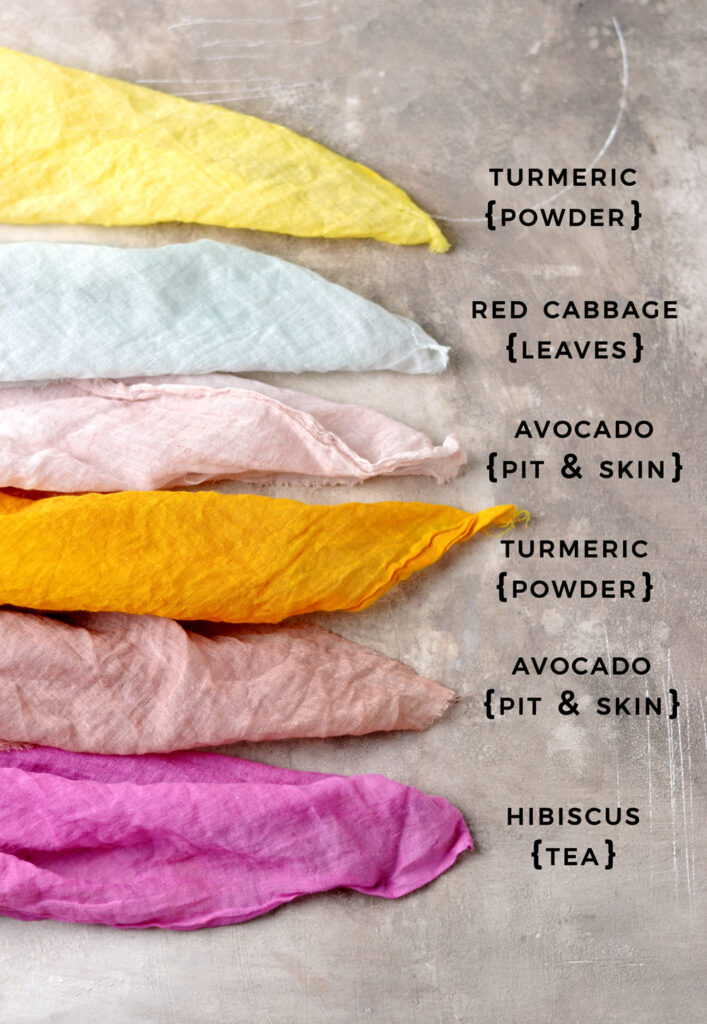
As a crafter, you’re likely no stranger to the world of natural dyes. From the soft hues of plant-based dyes to the rich tones of botanical extracts, working with nature’s colors can add an extra layer of depth and meaning to your textiles. In this article, we’ll explore the art of natural dyeing cotton, covering everything from the basics of mordanting to tips for achieving vibrant, long-lasting colors.
A Brief History of Natural Dyes
Natural dyes have been used by humans for thousands of years, with ancient civilizations such as Egypt and China employing plant-based dyes to create a wide range of colors. The art of natural dyeing has continued through the centuries, with each culture adding its own unique twist to this timeless craft.
Understanding Natural Dyes
Natural dyes are derived from plants, minerals, and other organic materials. These substances contain pigments that can be extracted and used to color textiles. There are several types of natural dyes, including:
- Plant-based dyes: These come in a variety of colors, from the deep blues and greens of indigo and madder to the vibrant yellows and oranges of turmeric and saffron.
- Mineral-based dyes: These include substances like iron oxide, which creates shades of pink and red, and copper, which produces turquoise and blue.
- Animal-derived dyes: While less common in modern times, animal-derived dyes like cochineal and Tyrian purple were once highly prized for their rich colors.
Choosing the Right Natural Dye
With so many natural dye options available, choosing the right one can be overwhelming. Here are a few things to consider:
- Color intensity: Different natural dyes produce varying levels of color saturation. Some, like indigo, create deep blues and blacks, while others, like turmeric, yield softer, more muted shades.
- Durability: Natural dyes can be prone to fading over time, especially when exposed to sunlight or washing. To combat this, you may need to use a mordant to fix the color in place.
- Availability: Some natural dyes are harder to find than others, particularly those derived from specific plants or minerals.
Maceration and Mordanzatura: The Key to Natural Dyeing
To create vibrant, long-lasting colors with natural dyes, you’ll need to follow a process called maceration and mordanzatura. Here’s how it works:
- Maceration involves soaking the dye material in water for an extended period. This helps to extract the pigments from the plant or mineral.
- Mordanzatura is the process of adding a mordant, like alum or cream of tartar, to the dyed fabric. The mordant helps to fix the color in place, ensuring it doesn’t fade over time.
Tips for Achieving Vibrant Natural Colors
To get the most out of your natural dyes, here are a few tips to keep in mind:
- Use high-quality dye material: Fresh, organic plant material is essential for creating vibrant colors. Avoid using wilted or old plants, as they may not produce the desired results.
- Experiment with different mordants: Different mordants can enhance or alter the color produced by your natural dyes. Try out various options to find what works best for you.
- Consider using a fixative: To extend the life of your natural dyes, consider adding a fixative like vinegar or lemon juice to the dyed fabric.
Common Natural Dyeing Mistakes
Even with experience, it’s easy to make mistakes when working with natural dyes. Here are a few common errors to watch out for:
- Insufficient mordanzatura: Failing to use enough mordant can result in colors that fade quickly.
- Incorrect dye-to-fabric ratio: Using too little or too much dye material can affect the final color produced.
- Inadequate drying time: Not allowing the fabric sufficient time to dry can cause colors to bleed or run.
Frequently Asked Questions
Here are a few questions you may have about natural dyeing cotton:
- What’s the best way to store natural dyes?
- Store your natural dyes in a cool, dark place, away from direct sunlight and moisture.
- Can I use synthetic fibers with natural dyes?
- While it’s possible to dye synthetic fibers with natural dyes, the results may not be as vibrant or long-lasting as those achieved with natural fibers like cotton or wool.
- How do I fix colors that have faded over time?
- If your natural dyed fabric has faded, try re-mordanting it with a stronger mordant to revive the color.
Natural Dye Recipes
Here are a few simple recipes for creating natural dyes:
- Indigo Dye: Mix 1 cup of indigo powder with 2 cups of hot water and add 1 tablespoon of alum.
- Madder Dye: Combine 1/4 cup of madder root powder with 1 cup of boiling water and let it steep for 30 minutes before adding 1 teaspoon of cream of tartar.
- Turmeric Dye: Blend 1 cup of turmeric powder with 2 cups of hot water and add 1 tablespoon of lemon juice.
Additional Tips and Resources
Here are a few additional tips and resources to help you get started with natural dyeing cotton:
- Experiment with different plant materials: Try using different types of leaves, flowers, and roots to create unique colors.
- Use natural mordants: Alum, cream of tartar, and vinegar can all be used as natural mordants to fix your colors in place.
- Join a natural dyeing community: Connect with other natural dyers through online forums or local groups to learn new techniques and share tips.
Conclusion
Natural dyeing cotton is an art form that requires patience, experimentation, and attention to detail. By following these tips and avoiding common mistakes, you can create vibrant, long-lasting colors using natural dyes. Whether you’re looking for subtle pastels or rich, bold hues, natural dyeing offers endless possibilities for creative expression.


