
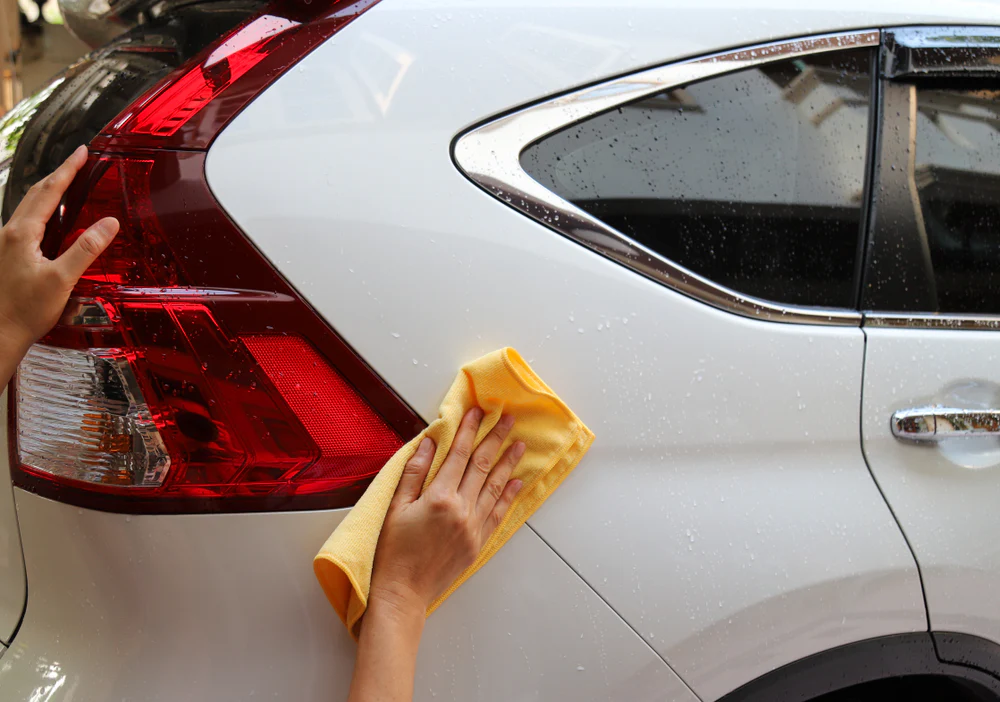
As we strive to reduce our environmental footprint, car owners are increasingly looking for ways to minimize their impact on the planet. One simple yet effective way to do this is by dry washing your car instead of relying on traditional water-based methods. In this article, we’ll explore the benefits of dry washing, discuss the best products and techniques for the job, and provide a step-by-step guide on how to get started.
The Benefits of Dry Washing
Dry washing your car offers several advantages over traditional washing methods. For one, it uses significantly less water – up to 200 liters less per wash, depending on the method used. This not only reduces your carbon footprint but also saves you money on water bills. Additionally, dry washing eliminates the need for harsh chemicals and abrasive materials that can damage your car’s paint job or strip away its wax coating.
Moreover, dry washing is a more practical approach to car maintenance. You don’t need to invest in expensive equipment like hoses and buckets, nor do you have to worry about drying off your car with a towel after each wash. With dry washing, you simply use a microfiber cloth to clean and protect your car’s surface.
Choosing the Right Products
There are many products on the market specifically designed for dry washing cars. When selecting a product, look for ones that are labeled as “ecological” or “biodegradable.” These products are gentler on your car’s surface and the environment. Some popular options include:
- Microfiber cloths
- Cera (or other protective waxes)
- Dry washing sprays
What to Look for in a Dry Washing Product
When choosing a dry washing product, consider the following factors:
- Eco-friendliness: Opt for products that are biodegradable and non-toxic.
- Effectiveness: Choose products that are specifically designed to remove dirt, dust, and other contaminants from your car’s surface.
- Durability: Select products that provide long-lasting protection against the elements.
The Dry Washing Process
Now that you have the right products, it’s time to get started. Here’s a step-by-step guide on how to dry wash your car:
Preparing Your Car
Before you begin, make sure your car is clean and free of debris. Remove any loose objects like bug splatters or bird droppings.
Step 1: Spraying the Product
Spray the dry washing product onto your car’s surface using a wide fan spray nozzle. Make sure to cover all areas evenly, including wheels, windows, and doors.
Step 2: Wiping Down Your Car
Use a microfiber cloth to wipe down your car’s surface, starting from the top and working your way down. Use gentle circular motions to clean the surface, paying particular attention to areas with heavy dirt or debris buildup.
Step 3: Applying Cera (Optional)
If you’re using cera as part of your dry washing routine, now is the time to apply it. This will help protect your car’s paint job and give it a glossy finish.
Tips for Dry Washing
- Use a microfiber cloth that has been washed in cold water before use.
- Avoid using too much pressure when wiping down your car, as this can damage the surface.
- Use a clean, dry section of the microfiber cloth to wipe away any excess moisture or cleaning solution.
- For stubborn stains or dirt buildup, you may need to repeat the drying process several times.
Conclusion
Dry washing your car is a simple yet effective way to reduce your environmental impact while maintaining your vehicle’s appearance. By choosing the right products and following these easy steps, you can enjoy a cleaner, healthier relationship with your car – and the planet.
Frequently Asked Questions (FAQs)
Q: Is dry washing safe for all types of cars?
A: Yes, dry washing is suitable for most car models. However, if you have a car with sensitive paint or trim, consult with a professional before using dry washing products.
Q: How often should I dry wash my car?
A: The frequency of dry washing depends on your driving habits and environment. If you drive in areas with high levels of pollution or extreme weather conditions, consider dry washing your car more frequently.
Q: Can I use regular soap and water for dry washing?
A: No, using regular soap and water can damage your car’s paint job and wax coating. Instead, opt for specialized dry washing products designed specifically for this purpose.
Q: Is dry washing better than traditional washing methods?
A: Dry washing offers several advantages over traditional washing methods, including reduced water usage, gentler cleaning agents, and longer-lasting protection against the elements.
Q: Can I use microfiber cloths for other cleaning tasks?
A: Yes, microfiber cloths are versatile and can be used for a variety of cleaning tasks beyond dry washing. They’re also great for dusting, polishing mirrors, and cleaning electronics.
Q: How do I store my dry washing products?
A: Store your dry washing products in a cool, dry place to maintain their effectiveness. Avoid exposing them to direct sunlight or high temperatures.
Q: Can I use dry washing on other surfaces besides cars?
A: Yes, dry washing can be used on other surfaces like boats, RVs, and even bicycles. Just be sure to choose the right products for the specific surface you’re cleaning.
Q: Is dry washing eco-friendly?
A: Dry washing is a more environmentally friendly option than traditional washing methods due to reduced water usage and gentler cleaning agents. However, it’s essential to choose eco-friendly products to maximize its benefits.
Dry Washing vs Traditional Washing
Traditional washing methods involve using water to clean the car’s surface, which can be damaging to the paint job and wax coating. Dry washing, on the other hand, uses a microfiber cloth and gentle cleaning agents to remove dirt and debris without stripping away the protective coatings.
While traditional washing methods may seem more effective in removing heavy dirt and grime, dry washing offers several advantages:
- Reduced water usage
- Gentler cleaning agents
- Longer-lasting protection against the elements
- No need for expensive equipment like hoses and buckets
The Benefits of Microfiber Cloths
Microfiber cloths are a crucial part of the dry washing process. They’re gentle on the car’s surface, absorbent, and can be used with or without cleaning products.
Benefits of microfiber cloths include:
- Gentle on the car’s surface
- Absorbent and effective at removing dirt and debris
- Can be used with or without cleaning products
- Easy to clean and maintain
Tips for Choosing the Right Microfiber Cloth
When selecting a microfiber cloth, consider the following factors:
- Material: Look for cloths made from high-quality materials that are gentle on the car’s surface.
- GSM: Choose cloths with a GSM (grams per square meter) rating of 500 or higher for optimal cleaning effectiveness.
- Size: Select cloths that are large enough to cover your car’s surface, but not so large that they’re unwieldy.
Conclusion
Dry washing your car is a simple yet effective way to reduce your environmental impact while maintaining your vehicle’s appearance. By choosing the right products and following these easy steps, you can enjoy a cleaner, healthier relationship with your car – and the planet.


