
As we receive roses or see them bloom in our gardens, it’s natural to think about their short lifespan. The idea of knowing how to dry roses can console us in some way. While dried roses may not be as beautiful and fragrant as fresh ones, with practice, you can achieve interesting results. Dried roses have been used for centuries in various cultures, from perfumes and potpourri to wreaths and decorations.
In this article, we’ll explore the basics of drying roses, including different methods, considerations, and tips. We’ll also discuss alternative ways to dry roses and where to buy dried rose petals.
Understanding the Basics of Drying Roses
Before starting, it’s essential to learn the basics of drying roses. There are many methods, each with its own advantages and disadvantages, considering factors like cost, time, and desired outcome.
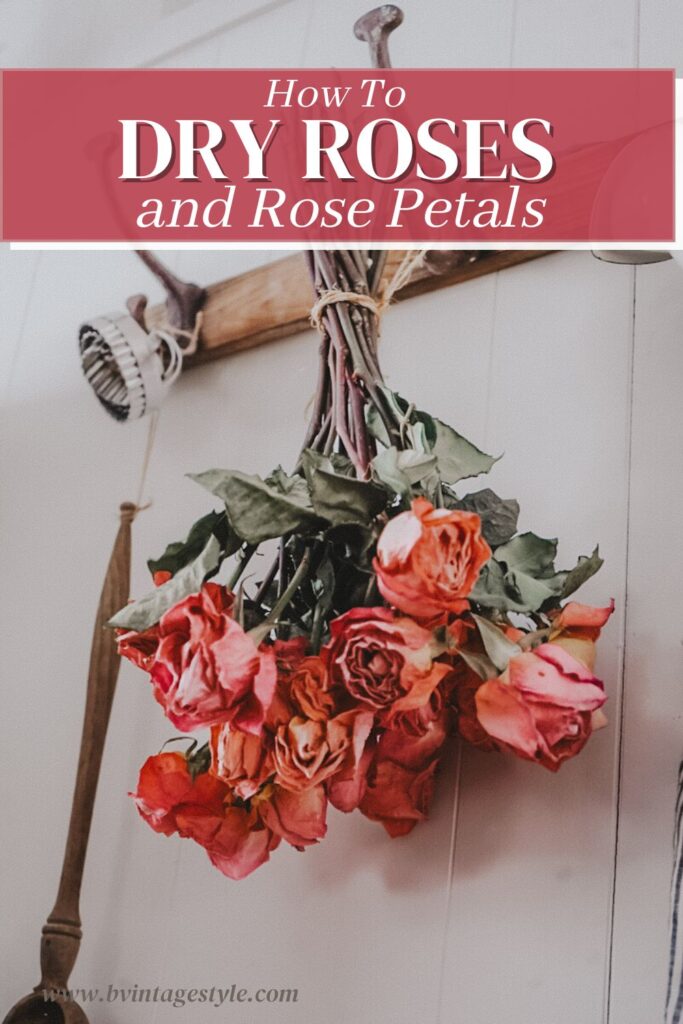
The traditional method involves hanging the roses with their corollas facing downwards and keeping them in a dark, dry, and cool place for at least a week. This method is simple, but it may not produce the most vibrant colors or fragrances.
Drying Fresh Roses
This method involves exposing the roses to light, which causes them to lose color and fragrance. The resulting dried rose will have less vibrant colors but can still be used to create beautiful floral arrangements or decorations.
When drying fresh roses, it’s crucial to consider the length of their stems. If you want to dry entire mazes of roses, you’ll need to divide them into smaller bunches before beginning the process. This is because long stems may take longer to dry and may develop mold or mildew if not properly handled.
Preparing Roses for Drying
To ensure even drying, remove the stems and leaves from the roses, taking care not to damage the delicate petals. Then, separate the different types of rose blooms to prevent moisture buildup between them.
For example, drying hybrid tea roses can be more challenging than drying floribunda or grandiflora roses. This is because hybrid teas have a higher water content and may require longer drying times.
Drying Rose Petals
Sometimes, you only need to dry specific rose petals, which can be used in various craft projects or scented water preparations. To achieve this, place the individual petals on a tray with a thin layer of sand (about 2 cm) and cover them with another layer of sand. Allow them to sit for three weeks before inspecting the results.
Alternatively, you can use silica gel packets or paper towels to absorb moisture from the petals. This method is particularly useful when drying small quantities of rose petals.
Tips and Considerations
To enhance the drying process, you can use specialized products that accelerate dehydration without causing harm. Some popular options include:
- Desiccant packets: These packets are designed to absorb moisture from air and can be placed in a sealed container with the dried roses.
- Silica gel packets: Similar to desiccant packets, silica gel packets can help maintain a dry environment for your dried roses.
- Sand: Sand is an excellent option for drying rose petals. It helps to absorb moisture and prevents mold or mildew from forming.
Before using any method, consider the desired outcome and choose the most suitable approach for your specific needs. For example, if you want to create dried roses for decorative purposes, air-drying may be a good option. However, if you’re looking for dried rose petals for crafts or scented water preparations, drying individual petals may be more effective.
Alternative Methods of Drying Roses
In addition to traditional methods like air-drying or oven-drying, there are other ways to dry roses, including the use of lacquer or varnish to seal and protect them. This process can be both aesthetically pleasing and functional.
For instance, you can apply a thin layer of varnish to the dried rose petals to preserve their color and prevent fading. Alternatively, you can spray a clear coat of lacquer over the dried roses to add an extra layer of protection.
Another alternative method is using silica gel or desiccant packets to speed up the drying process. This method can be particularly useful when working with large quantities of fresh rose petals.
Using Microwaves and Ovens
While microwaves and ovens can be tempting options for drying roses, they can also lead to inconsistent results. Microwaving individual petals or small bunches of dried roses may cause them to dry unevenly or develop hot spots.
Oven-drying is generally more effective than microwave-drying, but it still requires careful monitoring to avoid over-drying the rose petals. To oven-dry roses, preheat your oven to its lowest temperature setting (usually around 150°F). Place the fresh or dried rose petals on a baking sheet lined with parchment paper and dry for several hours.
Where to Buy Dried Rose Petals
Online stores offer a convenient way to purchase dried rose petals in bulk, with various quantities available for different purposes. Some popular online retailers include:
- Amazon: Offers a wide selection of dried rose petals from various sellers.
- Etsy: Features handmade or artisanal dried rose petals from individual sellers.
- eBay: Provides a range of dried rose petals from various sellers.
When purchasing dried rose petals online, make sure to check the product description for information on quality, quantity, and packaging. You may also want to consider factors like shipping costs and estimated delivery times.
Conclusion
Drying roses is a simple process that requires patience and attention to detail. By understanding the basics of drying roses, choosing the right method, and following tips and considerations, you can achieve beautiful and fragrant dried rose petals for various purposes.
Whether you’re looking to create decorative arrangements, crafts, or scented water preparations, dried roses offer endless possibilities. With practice and experience, you’ll become more confident in your ability to dry roses and explore the many creative applications of these delicate flowers.


