
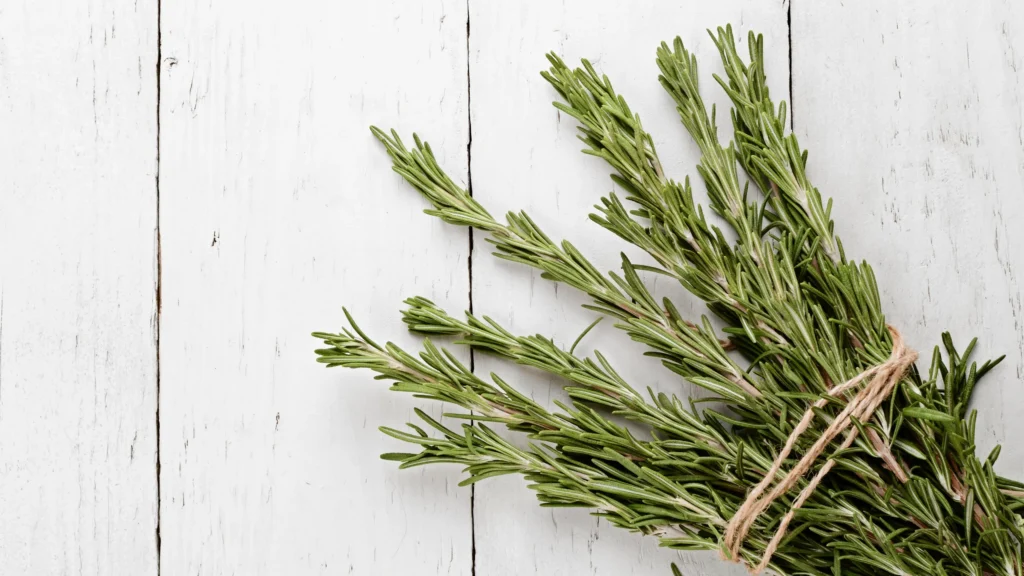
As the seasons change and winter approaches, many of us turn to herbs like rosemary for their culinary and medicinal benefits. But what about when you have a bunch of fresh rosemary on hand and want to preserve it for later use? In this article, we’ll explore the best ways to dry rosemary at home.
Why Dry Rosemary?
Rosemary is an aromatic herb that’s rich in antioxidants and has been used for centuries for its medicinal properties. However, like many fresh herbs, it can become wilted and lose its potency when not stored properly. Drying rosemary allows you to preserve its flavors, aromas, and nutrients, making it easier to use throughout the year.
Choosing the Right Method
When it comes to drying rosemary, there are several methods to choose from, each with its own advantages and disadvantages. Here are a few popular options:
Air Drying
Air drying is a simple and cost-effective method that’s perfect for small batches of rosemary. To air dry, tie the stems together in small bunches and hang them upside down in a warm, dry place.
- Benefits: Easy to do, no special equipment needed
- Drawbacks: May take longer than other methods, can be affected by humidity
Oven Drying
Oven drying is a faster method that uses low heat to dry the rosemary. To oven dry, preheat your oven to its lowest temperature setting (usually around 150-200°F). Place the rosemary stems on a baking sheet lined with parchment paper and leave them for 1-2 hours.
- Benefits: Faster than air drying, helps preserve nutrients
- Drawbacks: Requires special equipment, can be over-drying if not monitored
Dehydrator Drying
Using a dehydrator is an efficient method that allows you to dry rosemary quickly and evenly. To use a dehydrator, place the rosemary stems on the trays and set the temperature to around 135-140°F. Leave them for 1-2 hours.
- Benefits: Fast, easy to do, helps preserve nutrients
- Drawbacks: Requires special equipment
Microwave Drying
Microwave drying is a fast method that uses microwave energy to dry the rosemary. To use a microwave, place the rosemary stems on a paper towel and heat for 30-second intervals until they’re dry.
- Benefits: Fast, easy to do
- Drawbacks: Can be unevenly dried, requires caution when using microwaves
How to Dry Rosemary
Regardless of the method you choose, here are some general tips to keep in mind:
- Tie the stems together: This helps preserve the herb’s natural oils and prevents it from falling apart.
- Use a warm, dry place: This helps speed up the drying process and preserves the herb’s nutrients.
- Monitor the temperature: Make sure the air is not too hot or cold, as this can affect the quality of the dried rosemary.
Rosmarino Raccolta e Moltiplicazione per Talea
When harvesting fresh rosemary, here are some tips to keep in mind:
- Use scissors or a tempero: These tools help prevent damage to the stems and preserve the herb’s natural oils.
- Harvest in late morning or early afternoon: This helps reduce moisture loss and preserves the herb’s nutrients.
- Don’t worry about harming the plant: The stem you cut will be replaced by new growth, so there’s no need to worry about hurting the plant.
Using Dried Rosemary
Dried rosemary is a versatile ingredient that can be used in a variety of recipes. Here are some ideas to get you started:
- Salts and Oils: Mix dried rosemary with kosher salt and olive oil for a tasty seasoning blend.
- Soups and Stews: Add dried rosemary to soups and stews for added depth of flavor.
- Roasted Vegetables: Toss dried rosemary with olive oil, salt, and roasted vegetables for a flavorful side dish.
Frequently Asked Questions
Here are some common questions about drying and using rosemary:
Q: Is it possible to dry rosemary too much?
A: Yes, it’s possible to over-dry rosemary, which can result in a bitter flavor. To avoid this, monitor the temperature and humidity levels during the drying process.
Q: Can I use dried rosemary as a substitute for fresh rosemary?
A: While dried rosemary has its own unique flavor profile, it’s not always a direct substitute for fresh rosemary. Use dried rosemary in moderation and adjust the amount according to your personal preference.
Q: How can I store dried rosemary?
A: Store dried rosemary in an airtight container at room temperature to preserve its flavors and aromas.
Q: Can I use dried rosemary in cooking without rehydrating it first?
A: While you can use dried rosemary directly, rehydrating it before using will help release the herb’s natural oils and enhance its flavor.
Preserving Dried Rosemary
Dried rosemary is a delicate ingredient that requires proper storage to maintain its flavors and aromas. Here are some tips for preserving dried rosemary:
- Store in an airtight container: Use a glass jar or plastic container with a tight-fitting lid to store your dried rosemary.
- Keep it away from light: Light can cause the colors of the dried rosemary to fade, so keep it away from direct sunlight.
- Use within six months: Dried rosemary typically lasts for six months when stored properly. Use it within this timeframe for optimal flavor and aroma.
Drying Rosemary in Bulk
If you’re looking to dry large quantities of rosemary, here are some tips to keep in mind:
- Divide the rosemary into smaller batches: Divide the rosemary into smaller batches to make drying and storage easier.
- Use multiple drying methods: Consider using a combination of air drying and oven drying to ensure that your rosemary is thoroughly dried.
- Label and date the containers: Label each container with its contents and the date it was made, so you can keep track of how long it’s been stored.
Drying Rosemary for Tea
Rosemary tea is a popular way to use dried rosemary in herbal remedies. Here are some tips for drying rosemary specifically for tea:
- Use fresh rosemary: Use fresh rosemary leaves and stems, rather than dried ones, to make the best tea.
- Steep for 5-10 minutes: Steep the rosemary in hot water for 5-10 minutes to release its oils and flavor compounds.
- Add honey or lemon: Consider adding a drizzle of honey or a squeeze of lemon to enhance the flavor of your rosemary tea.
Drying Rosemary for Potpourri
Rosemary can also be used in potpourri blends, providing a fragrant and flavorful addition. Here are some tips for drying rosemary specifically for potpourri:
- Use fresh or dried rosemary: Use either fresh or dried rosemary leaves and stems to make the best potpourri.
- Combine with other herbs: Combine your rosemary with other herbs like lavender, chamomile, and lemon balm for a fragrant and soothing blend.
- Add a carrier oil: Add a few drops of carrier oil like jojoba or sweet almond oil to enhance the fragrance and moisturize the skin.
Drying Rosemary for Crafts
Rosemary can also be used in various crafts, providing a beautiful and fragrant material. Here are some tips for drying rosemary specifically for crafts:
- Use fresh or dried rosemary: Use either fresh or dried rosemary leaves and stems to make the best craft projects.
- Add essential oils: Add a few drops of essential oils like lavender or chamomile to enhance the fragrance and create a relaxing atmosphere.
- Combine with other materials: Combine your rosemary with other materials like wool, fabric, or paper for a unique and fragrant craft project.
Conclusion
Drying rosemary is an easy process that allows you to preserve its flavors, aromas, and nutrients. By following the tips outlined in this article, you can dry rosemary at home using various methods, including air drying, oven drying, dehydrator drying, and microwave drying. Use your dried rosemary in a variety of recipes, from salads and soups to roasted vegetables and teas. With proper storage, your dried rosemary will remain flavorful and aromatic for months to come.


