
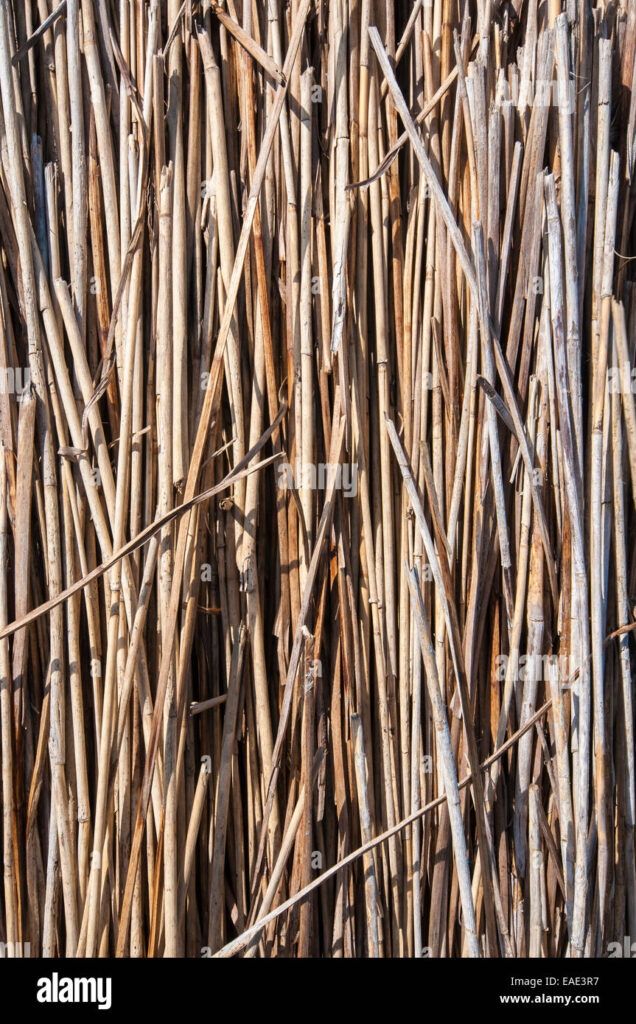
As we often refer to them as “bamboo canes,” these are actually the most common household canes, made from the Arundo donax plant, a perennial herbaceous plant with a long, hollow, and robust stalk that thrives in poor soil conditions. The bamboo cane, Arundo donax, contains silica, making it highly resistant and durable. In the past, they were used for making fishing rods, garden stakes, and paper production. With common household canes, you can obtain excellent plant supports, as the sturdiest stems are used to support climbing plants like grapes, peas, lettuce, or tomatoes.
Instead of showing how to dry bamboo canes (less common in Italy), we’ll explore how to dry more commonly found household canes.
Step 1: Preparing the Canes
Cutting the canes is a crucial step in the drying process. It’s recommended to cut them two meters long if you plan to use them for building a pergola or as a trellis for climbing plants. Before cutting, make sure to inspect the canes for any signs of damage, cracks, or rot. Remove any damaged sections to prevent the spread of decay and ensure that your dried canes remain strong and durable.
When cutting the canes, use sharp tools like pruning shears or a saw to avoid crushing the plant material. If you’re unsure about how to cut your canes properly, consult with a local gardening expert or nursery professional for guidance.
Step 2: Drying the Canes
Positioning the canes vertically (if possible) or laying them horizontally, supporting them against the ground to protect them from the elements is essential. A simple awning will suffice to keep the canes dry, with open sides that allow continuous airflow and prevent moisture buildup.
If you place the canes on the ground, lift them up by positioning wooden stakes or slats (at least 10-15 cm thick) underneath each cane. Place the slats spaced about 150 cm apart to facilitate air circulation around all parts of the canes, including the base. This will help prevent moisture from accumulating and promote healthy drying.
Drying Time: A Variable
The drying time varies greatly, ranging from six months to a year and more, depending on climatic conditions, humidity levels, and when the canes are cut. Regardless of the season, it’s not recommended to dry the canes directly in the sun. While canes exposed to direct sunlight may dry faster, they risk losing their durability, robustness, and resistance.
Factors Affecting Drying Time
Several factors can influence the drying time of your household canes:
- Humidity levels: High humidity can slow down the drying process.
- Climatic conditions: Extreme temperatures, high winds, or heavy rainfall can impact drying times.
- Cutting method: Cutting the canes too short or using damaged sections can increase drying time.
The Importance of Proper Drying
Proper drying is crucial for maintaining the natural beauty and longevity of your canes. A well-dried cane will remain flexible and resistant to rot and insect damage. Regularly inspecting your dried bamboo canes for signs of decay or insect infestation can help prevent these issues from developing.
Tips for Maintaining Dried Bamboo Canes
To ensure that your dried bamboo canes remain in good condition, follow these tips:
- Handle with care: Avoid touching the canes excessively, as this can cause damage and promote moisture buildup.
- Store in a well-ventilated area: Keep the canes away from direct sunlight and maintain good airflow to prevent moisture accumulation.
- Regularly inspect for signs of decay or pest infestation: Trim any damaged sections promptly to prevent further damage.
Conclusion
Drying household canes is an essential process that requires patience and attention to detail. By following these simple steps and understanding the factors that affect drying time, you can preserve your canes for years to come. With proper care and maintenance, dried bamboo canes can provide excellent support for climbing plants and add a touch of natural beauty to your garden or outdoor space.
Frequently Asked Questions (FAQs)
Q: What type of plants are suitable for supporting with dried bamboo canes?
A: Climbing plants like grapes, peas, lettuce, or tomatoes are ideal for supporting with dried bamboo canes.
Q: How do I determine the best time to cut my bamboo canes?
A: The best time to cut your bamboo canes is during periods of low growth and when they’re dry enough to be handled safely.
Q: Can I dry my bamboo canes in the sun directly?
A: No, it’s not recommended to dry your bamboo canes directly in the sun. This can cause them to dry too quickly but also risk compromising their durability and resistance.
Q: How long does it take for dried bamboo canes to decompose?
A: Dried bamboo canes can last for decades when properly stored and maintained, while a compost pile of organic waste like leaves or wood chips may break down in 6-12 months.
Q: Are there any environmental concerns associated with using household canes as plant supports?
A: While some household canes can be invasive to local ecosystems, using them as plant supports is generally considered a sustainable practice that doesn’t harm the environment.
Q: How do I handle and store dried bamboo canes to maintain their quality?
A: Handle and store dried bamboo canes in a well-ventilated area away from direct sunlight. Regularly check for signs of decay or insect damage, and trim any damaged sections promptly.
Q: Can I dry multiple types of plants using the same techniques?
A: Yes, you can use the same techniques to dry various plant species, but make sure that they have similar requirements in terms of moisture levels and drying times.
Q: How do I prevent pests from infesting my dried bamboo canes?
A: Regularly inspect your dried bamboo canes for signs of insect damage or pest infestation. Use natural deterrents like neem oil or diatomaceous earth to keep pests away.
Q: Can I reuse or repurpose dried bamboo canes as plant stakes or trellises?
A: While it’s not recommended to use them as plant stakes due to their brittle nature, you can still repurpose them as trellises by cutting them into sections and bending them over a support structure.


