
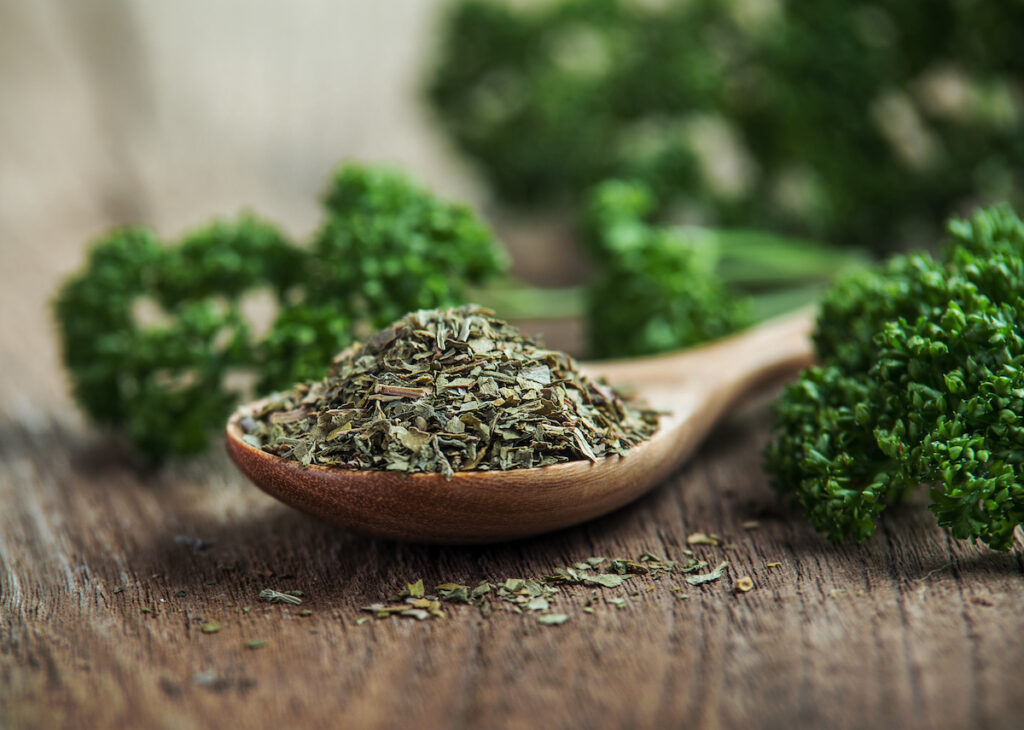
The Art of Drying Basil Naturally: A Step-by-Step Guide
Drying basil is a simple and effective way to preserve this fragrant herb for future use in cooking. In this article, we will explore two natural methods for drying basil: using the sun or a dry, well-ventilated area.
Understanding the Importance of Freshness
When it comes to drying basil, timing is everything. The fresher the basil, the better it will dry. This means that the sooner you harvest your basil leaves, the better chance you have of preserving their flavor and aroma.
Choosing the Right Method
There are two main methods for drying basil: sun-drying or using a dry, well-ventilated area. Sun-drying is a great way to preserve basil, as it allows the herb to dry slowly and naturally. On the other hand, using a dry, well-ventilated area can be faster but may also lead to a loss of flavor and aroma.
The Benefits of Natural Drying
Natural drying methods offer several benefits over chemical drying processes. For one, they are healthier for you and the environment. Chemicals used in commercial drying processes can leave residues on herbs that can be toxic if ingested. Additionally, natural drying methods preserve the delicate flavors and aromas of basil.
The Science Behind Natural Drying
Natural drying relies on the principles of evaporation and transpiration. When basil is exposed to air, water molecules evaporate from the leaves, causing them to dry out. This process can take several days or even weeks, depending on factors such as temperature, humidity, and sunlight.
Step-by-Step Guide to Sun-Drying Basil
Sun-drying basil is a simple process that requires minimal equipment. Here’s how to do it:
- Harvesting: Harvest fresh basil leaves in the morning, when the dew is still present.
- Drying: Tie the basil leaves in small bunches and hang them upside down in a warm, dry place with good air circulation. Make sure they are not touching each other or any surfaces that may cause moisture to accumulate.
- Monitoring: Check on the basil every few days to ensure it is drying evenly. If necessary, gently rotate the bundles to promote even drying.
- Storage: Once the basil is dry and crumbly, store it in an airtight container.
Step-by-Step Guide to Drying Basil in a Dry Area
Drying basil in a dry area requires minimal equipment but still involves some planning:
- Preparation: Tie the basil leaves in small bunches and place them on a wire rack or tray.
- Ventilation: Ensure good air circulation around the basil by placing it near a window or using a fan to circulate the air.
- Monitoring: Check on the basil every few days to ensure it is drying evenly. If necessary, gently rotate the bundles to promote even drying.
- Storage: Once the basil is dry and crumbly, store it in an airtight container.
Alternative Methods
While sun-drying and air-drying are popular methods for preserving basil, there are other options available:
- Freezing: Basil can be frozen in ice cube trays or airtight containers to preserve its flavor and aroma.
- Dehydrating: Some herbalists recommend using a dehydrator to dry basil, but this method requires specialized equipment.
Dehydrator Basics
If you decide to use a dehydrator, here are some essential tips:
- Temperature control: Set the temperature between 95-105 degrees Fahrenheit.
- Time control: Dehydrate for 3-6 hours, depending on the quantity and thickness of basil leaves.
- Monitoring: Keep an eye on the basil during drying to avoid over-drying or under-drying.
Dehydrator Safety Precautions
When using a dehydrator, follow these safety precautions:
- Cleanliness: Regularly clean the dehydrator to prevent bacterial growth and ensure even drying.
- Temperature monitoring: Monitor the temperature of the dehydrator to avoid overheating or underheating.
Conclusion
Drying basil naturally is a simple and effective way to preserve this fragrant herb for future use in cooking. By understanding the importance of freshness, choosing the right method, and following step-by-step guidelines, you can enjoy your homegrown basil year-round.
Frequently Asked Questions (FAQs)
Q: How long does it take to dry basil?
A: The time it takes to dry basil depends on factors such as temperature, humidity, and sunlight. Generally, sun-drying takes 3-5 days, while air-drying can take up to 7-10 days.
Q: Can I dry basil in the refrigerator?
A: No, refrigeration is not ideal for drying basil. The cold temperature can slow down the drying process and lead to moisture accumulation.
Q: How do I store dried basil?
A: Dried basil can be stored in an airtight container at room temperature or in the fridge to preserve its flavor and aroma.
Q: Can I use dried basil immediately?
A: No, it’s best to wait until the dried basil is completely crumbly before using it. This ensures that it has lost any excess moisture and retains its potency.
Q: How do I prevent mold from growing on dried basil?
A: To prevent mold from growing on dried basil, make sure it is stored in a dry, well-ventilated area and kept away from direct sunlight.
Q: Can I grow my own basil for drying?
A: Yes, you can grow your own basil specifically for drying. Choose varieties that are known for their robust growth and high oil content, such as Genovese or Italian Sweet Basil.
Q: How do I dry herbs other than basil?
A: Herbs like mint, rosemary, and thyme can also be dried using the same methods described above. However, it’s essential to follow specific guidelines for each herb variety to ensure optimal results.


